News
News
Browse IMIC news profiles, updates, and resources.
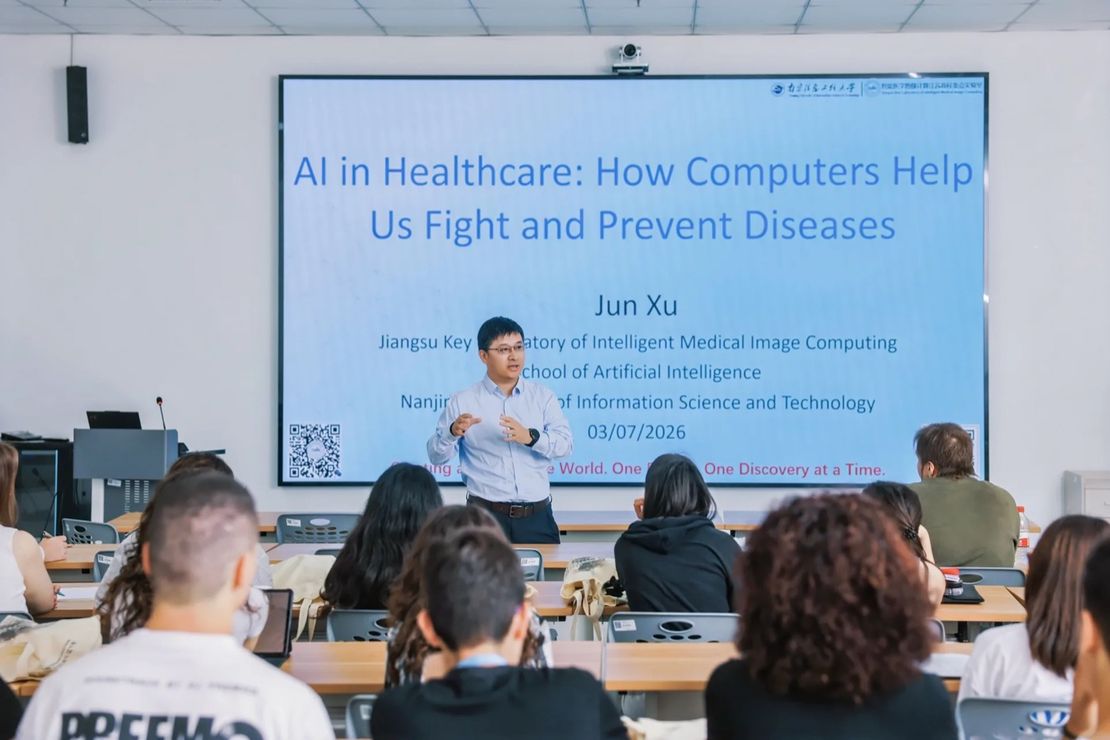
Using intelligence as a bridge to protect life and health | IMIC Lab will undertake the 2026 series of international medical artificial intelligence training courses
From mid-June to early July 2026, the Jiangsu Key Laboratory of Intelligent Medical Image Computing (IMIC) of Nanjing University of Information Science & Technology undertook the teaching of the “2026 International Training Course on Medical Artificial Intelligence for Developing Countries”, “2026 Bulgaria Training Course” and “2026 International Summer School Camp”. This series of academic activities focuses on the core theme of “from multimodal medical data and imaging phenotypes to clinical decision-making” and brings together experts and scholars, health department managers, medical institution experts, and young trainees from dozens of countries and regions, including North Macedonia, Ghana, Turkey, Jordan, Nepal, Uruguay, Laos, Myanmar, France, Germany, Bulgaria, Russia, Italy, Malaysia, and Indonesia. Through systematic teaching of cutting-edge algorithms, academic reports by scholars, and practical teaching of interdisciplinary applications, the intersection and integration of “carbon-based life” and “silicon-based wisdom” are deeply deconstructed.
Read More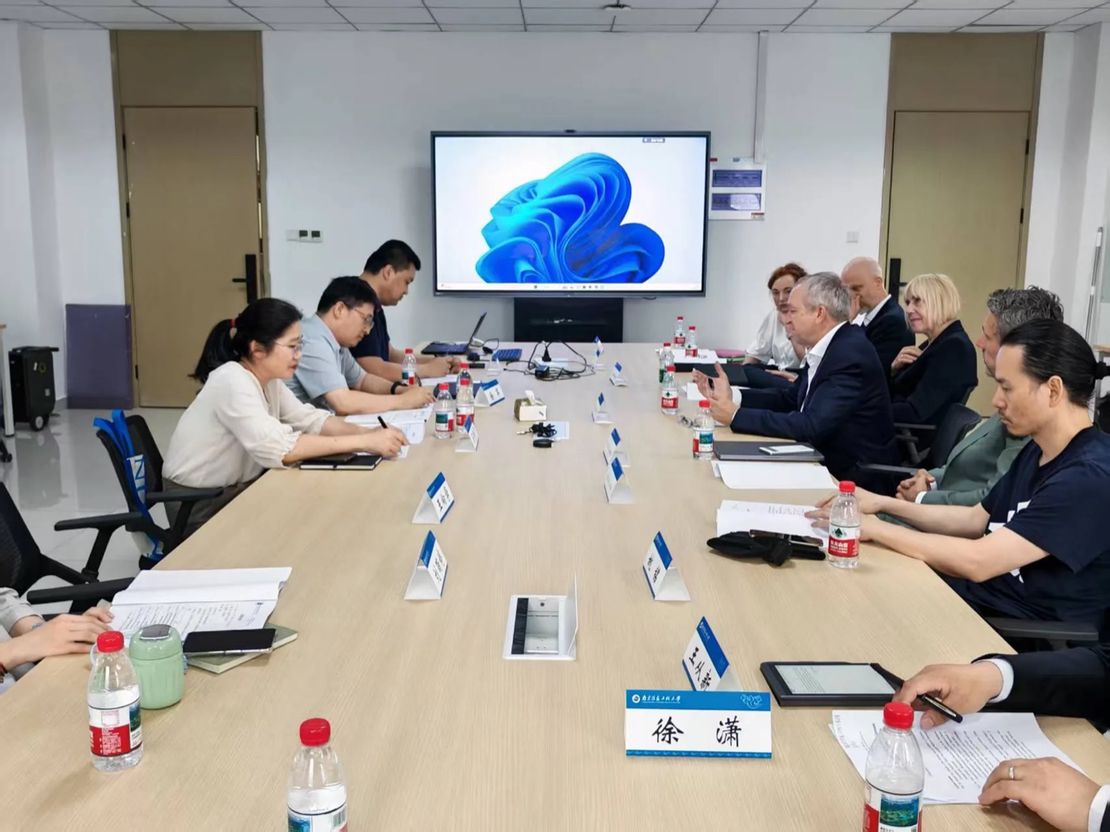
Professor Roland Eils, academician of the German National Academy of Sciences, and his delegation came to the school for an exchange visit
On the afternoon of May 14, Professor Roland Eils, academician of the German National Academy of Sciences and executive director of the Institute of Intelligent Medicine of Fudan University, and his delegation were invited to visit our school. The accompanying experts include professors and researchers from Fudan University, Charité Berlin, Freie Universität Berlin, Max Planck Institute for Heart and Lung Research in Germany, as well as Ms. Liu Yuting, scientific research director of the Institute of Intelligent Medicine of Fudan University, and Mr. Li Jiebing, an industrial consultant. Representatives from Su Chang Co., Ltd. (Hong Kong), Jiangsu Soho Xinzhi Group Co., Ltd. and other companies accompanied the visit.
Read More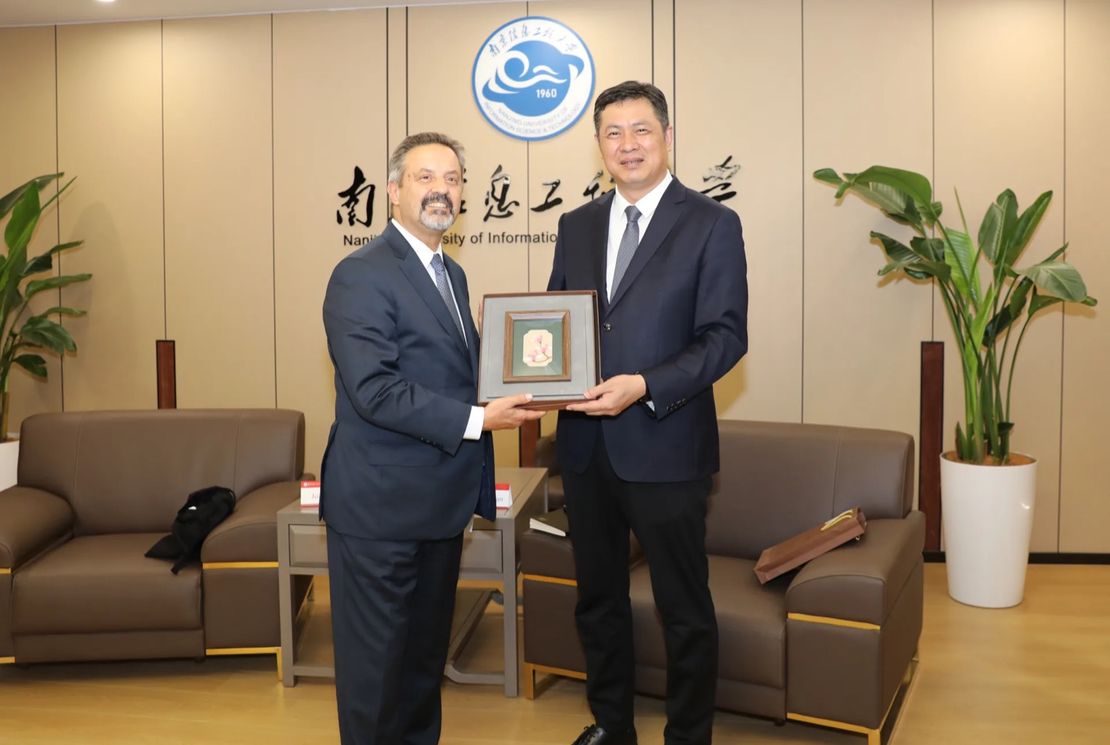
NEWER Biomedical Engineering 3+2 Bachelor's and Master's Bridge Program | Renew yourself and connect with the world - In NEWER, foresee your future
Project introduction and vision The “NEWER Biomedical Engineering Excellence Bridge Program” jointly launched by the Laboratory of Instrumentation, Biomedical Engineering and Radiation Physics (LIBPhys) of the New University of Lisboa (NOVA) in Portugal, the Key Laboratory of Intelligent Medical Image Computing (IMIC) of the School of Artificial Intelligence (College of Future Technology) of the Nanjing University of Information Science & Technology (NUIST), and the China-European Institute of Artificial Intelligence in Medicine (SEAM) is a 3+2 undergraduate and master’s degree integration project between Nanjing University of Information Science & Technology and the New University of Lisboa in Portugal. This project aims to further implement the strategic cooperation agreement between Nanjing University of Information Science & Technology and the New University of Lisboa in Portugal signed in July 2025, to build an education and scientific research bridge across Europe and Asia, and to deeply integrate the top faculty, teaching resources and unique advantages of the two universities in the field of biomedical engineering.
Read More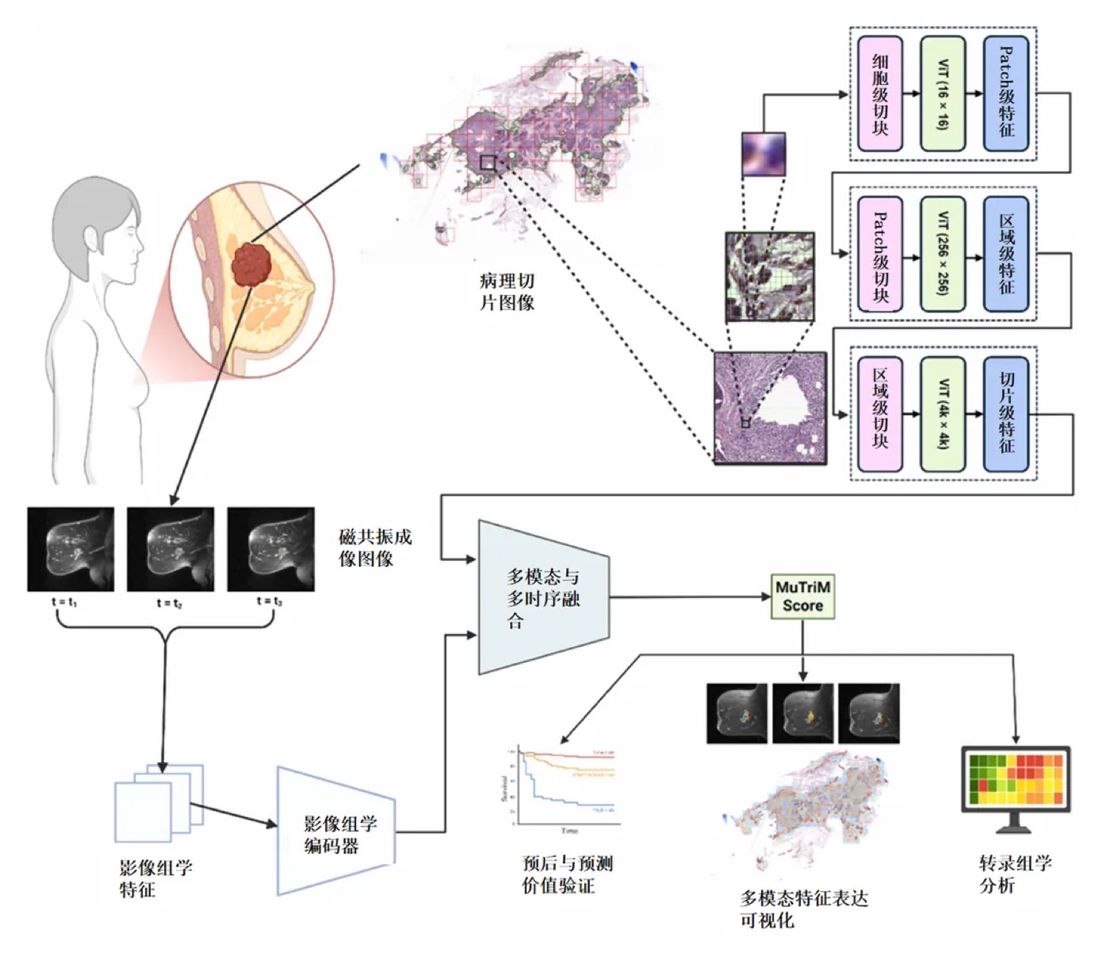
The paper of Wang Xiangxue’s research group from the IMIC laboratory was published in the internationally authoritative European Journal of Cancer
Recently, the research group of Professor Wang Xiangxue of Jiangsu University Key Laboratory of Intelligent Medical Image Computing (IMIC) of Nanjing University of Information Science & Technology collaborated with multi-center teams such as Emory University and Fudan University Cancer Hospital in the United States to publish the latest research results in the internationally authoritative journal “European Journal of Cancer” in the field of oncology (TOP of the First District of the Chinese Academy of Sciences).
Read More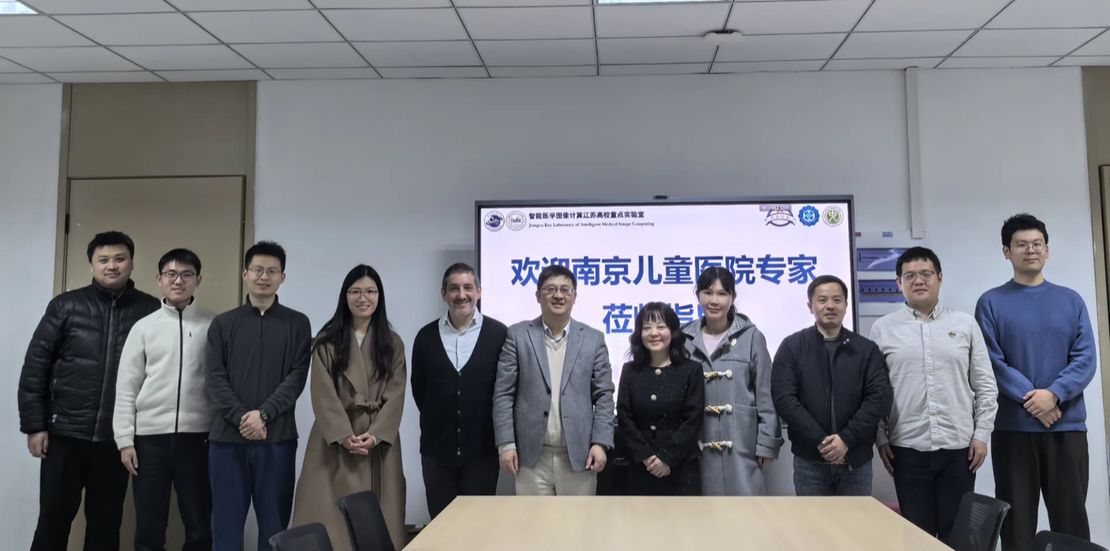
The intersection of medicine and engineering jointly promotes children's health—The Children's Hospital of Nanjing Medical University and the School of Artificial Intelligence of Nanjing University of Science and Technology held a seminar
In order to deepen the cross-integration of medicine and engineering and promote in-depth collaborative innovation in the field of artificial intelligence technology and children’s medicine, on the afternoon of March 20, 2026, the Children’s Hospital Affiliated to Nanjing Medical University and the Key Laboratory of Intelligent Medical Image Computing (IMIC) jointly held an academic seminar on the cross-section of medicine and engineering. The expert team of the Children’s Hospital of Nanjing Medical University and the scientific research backbones in IMIC-related fields gathered together to conduct in-depth exchanges and discussions around the innovative applications of artificial intelligence in children’s medical research, clinical diagnosis and treatment, and children’s health security. At the meeting, representatives from both sides introduced the core research directions, scientific research results and clinical practice experience of their respective teams. They agreed that the intersection of pediatric medicine and artificial intelligence has broad development prospects. In the future, they will rely on their respective advantages to deepen cooperation in joint scientific research, data resource sharing, and joint talent training, and jointly promote the application of medical-engineering intersection technologies.
Read More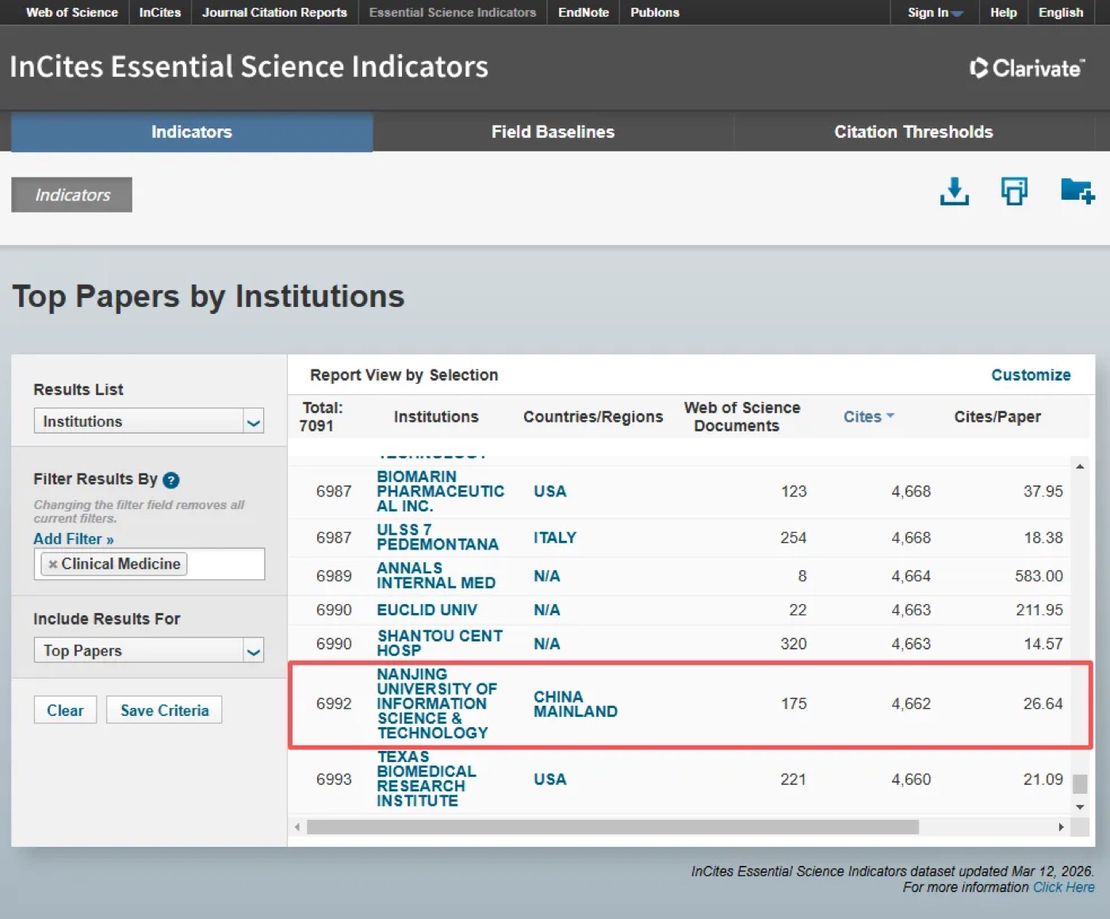
The clinical medicine discipline of Nanjing University of Information Science & Technology ranks among the top 1% in the world in ESI rankings
Recently, Clarivate Analytics released the latest data from the Essential Scientific Indicators Database (ESI) for March 2026. The clinical medicine discipline of our school entered the top 1% of the ESI global rankings for the first time, becoming the 11th discipline of the school to rank among the top 1% of the ESI global rankings. This breakthrough marks the remarkable results of our school’s cross-integration strategy of medicine and engineering, and the international influence of the discipline and scientific research strength have reached a new level.
Read More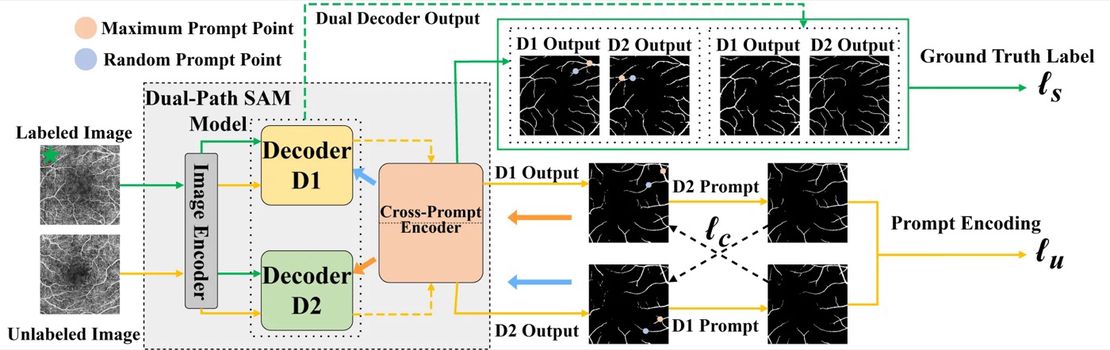
The paper of Professor Luo Yuemei’s research group from IMIC Lab was published in the international authoritative journal Applied Soft Computing
Recently, the team of teacher Luo Yuemei from Jiangsu University Key Laboratory of Intelligent Medical Image Computing (IMIC) at Nanjing University of Information Science & Technology published the latest research results in the internationally authoritative journal “Applied Soft Computing” in the field of engineering technology and computer science.
Read More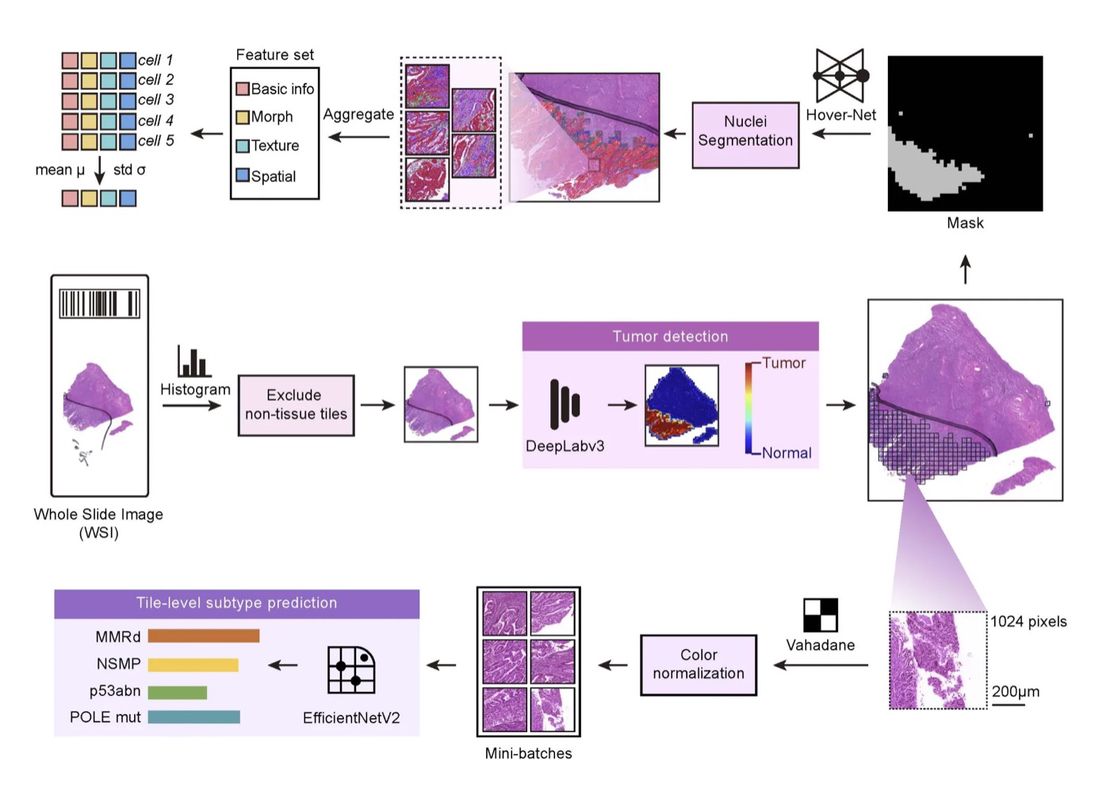
A collaborative paper between IMIC Lab and Fudan University Cancer Hospital was published in the collaborative journal npj Precision Oncology in Nature
Recently, the multi-modal medical data analysis innovation team of Nanjing University of Information Science & Technology, Jiangsu University Key Laboratory of Intelligent Medical Image Computing (IMIC) and related teams of Fudan University Cancer Hospital collaborated and published in the collaborative journal npj Precision Oncology of Nature.
Read More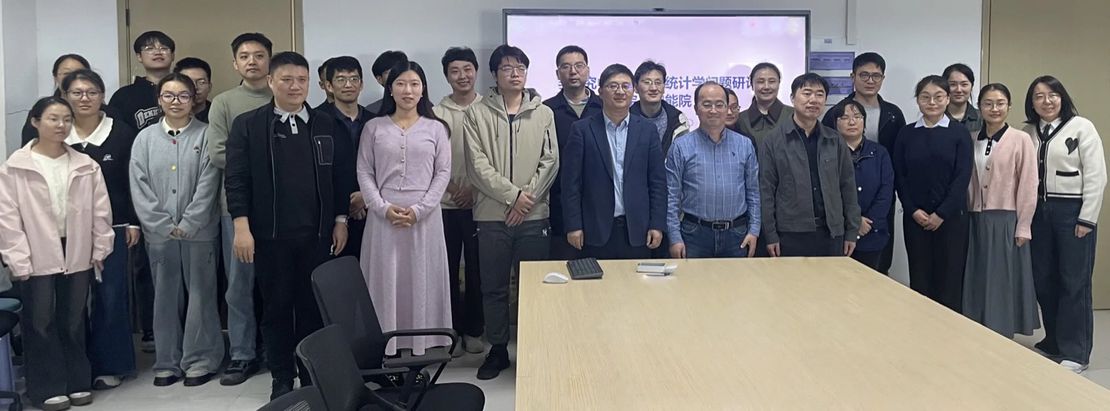
The seminar on mathematics and statistical issues in medical research and the interdisciplinary symposium on science, engineering and medicine were successfully held
In order to promote interdisciplinary scientific research cooperation and academic resource sharing, the School of Mathematics and Statistics of Nanjing University of Information Science & Technology (referred to as the “Digital Institute”) and the Key Laboratory of Intelligent Medical Image Computing of the School of Artificial Intelligence (referred to as the “Intelligent Institute”), together with Jiangsu Provincial Hospital of Traditional Chinese Medicine and Nanjing First Hospital, jointly held a “Symposium on Mathematics and Statistics in Medical Research and an Interdisciplinary Symposium on Science, Engineering and Medicine” in the A1717 conference room of Linjiang Building on the afternoon of November 11, 2025. Teachers, scholars and clinical experts from the three fields of our school’s science and engineering colleges and cooperative clinical hospitals gathered together to launch an interdisciplinary “brainstorm” around cutting-edge issues in multiple fields, injecting new impetus into collaborative innovation and cooperation in related disciplines.
Read More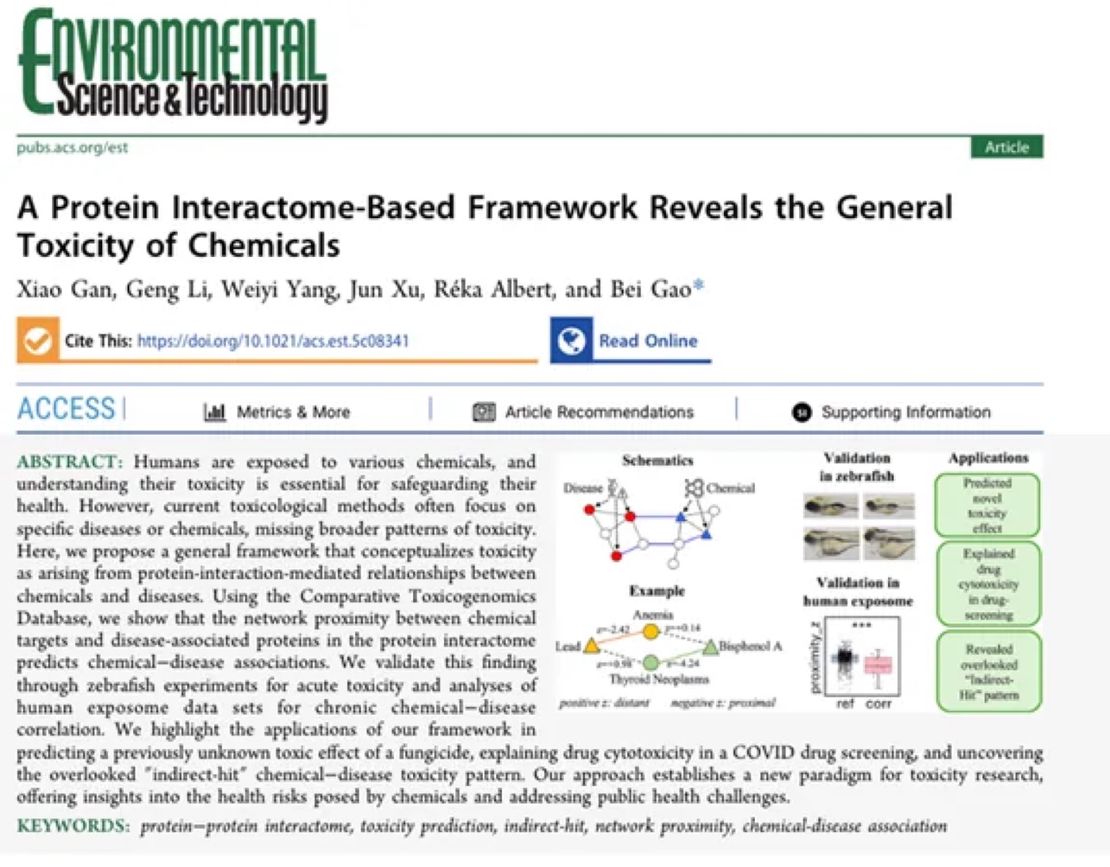
A multidisciplinary team of IMIC laboratories and environmental sciences proposed a protein interaction network framework that can reveal chemical toxicity
Recently, Professor Gan Xiao, Jiangsu University Key Laboratory of Intelligent Medical Image Computing, School of Artificial Intelligence, Nanjing University of Information Science & Technology, and Associate Professor Gao Bei, School of Environmental Science and Engineering, collaborated in a multidisciplinary team to publish a research paper titled “A Protein Interactome-Based Framework Reveals the General Toxicity of Chemicals” in Environmental Science & Technology, a top journal in the field of environmental science. This paper establishes a common toxicology theory and toxicity prediction method for chemicals based on the human protein interaction network (PPI). It reveals the common laws of diseases caused by chemicals from a systemic level for the first time and establishes a new multidisciplinary toxicology research paradigm.
Read More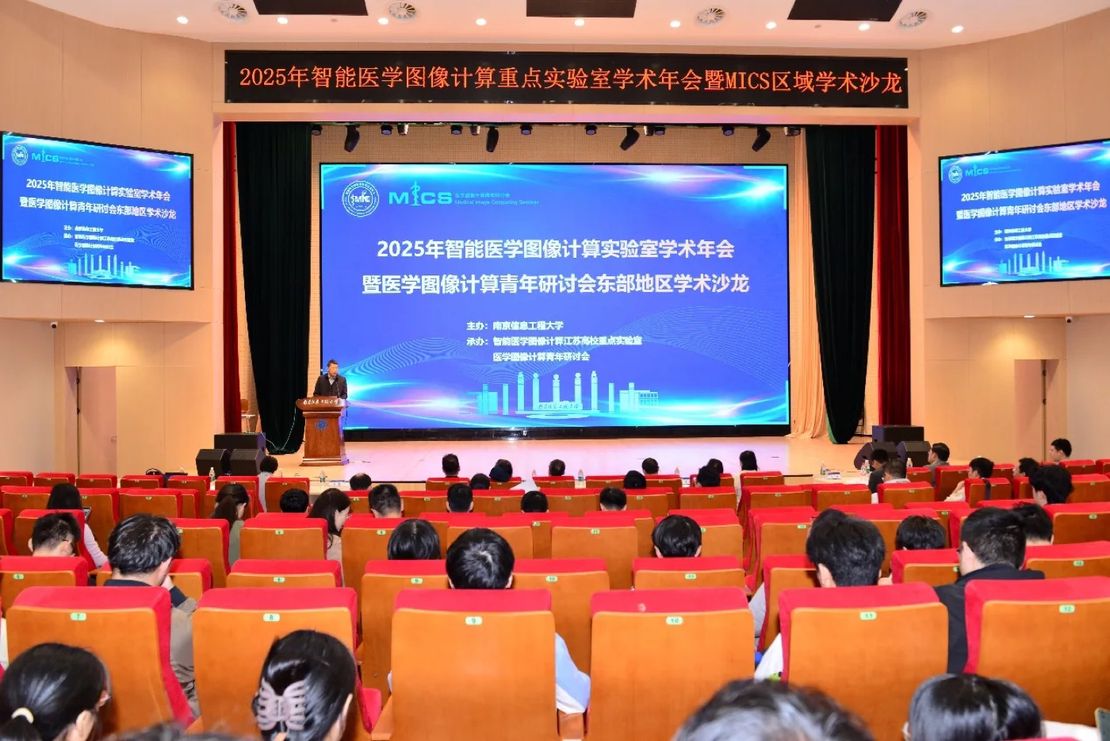
The 2025 Academic Annual Conference of the Key Laboratory of Intelligent Medical Image Computing and the MICS Regional Academic Salon were successfully held in our school
On November 3, the “2025 Key Laboratory of Intelligent Medical Image Computing Academic Annual Conference and MICS Regional Academic Salon” hosted by Nanjing University of Information Science & Technology and jointly organized by the Jiangsu University Key Laboratory of Intelligent Medical Image Computing (IMIC Lab) and the Medical Image Computing Youth Symposium (MICS) was successfully held in our school. Jin Zikang, member of the Standing Committee of the Party Committee and Vice President of the school, was invited to attend the opening ceremony and deliver a speech. Experts and scholars from the Singapore Agency for Science, Technology and Research, National University of Singapore, Fudan University, Xiamen University, Southeast University, Nanjing University, Nanjing University of Science and Technology, Jiangsu University and other universities and research institutions attended the meeting. The meeting was chaired by Xu Jun, deputy dean of the School of Artificial Intelligence (College of Future Technology).
Read More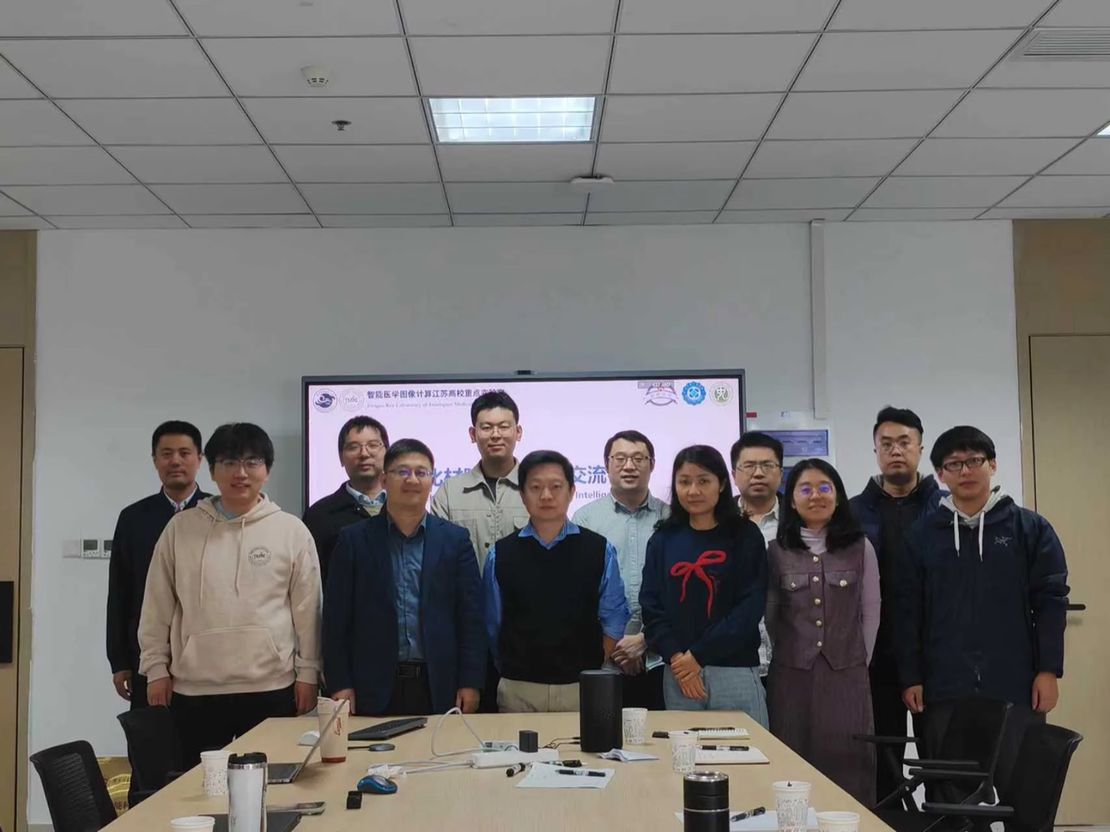
Chemical Materials and Artificial Intelligence: Interdisciplinary Academic Exchange Successfully Held
In order to promote the intersection of disciplines and promote the in-depth integration of artificial intelligence and chemical materials disciplines in cutting-edge fields such as smart medical care, on October 21, the Jiangsu University Key Laboratory of Intelligent Medical Image Computing in the School of Artificial Intelligence and the School of Chemistry and Materials jointly held an academic exchange meeting in the A1717 conference room of Linjiang Building. Relevant teachers from the two colleges gathered together to conduct in-depth discussions on the innovative applications of artificial intelligence, chemistry, and materials science in medical care, life sciences and other fields.
Read More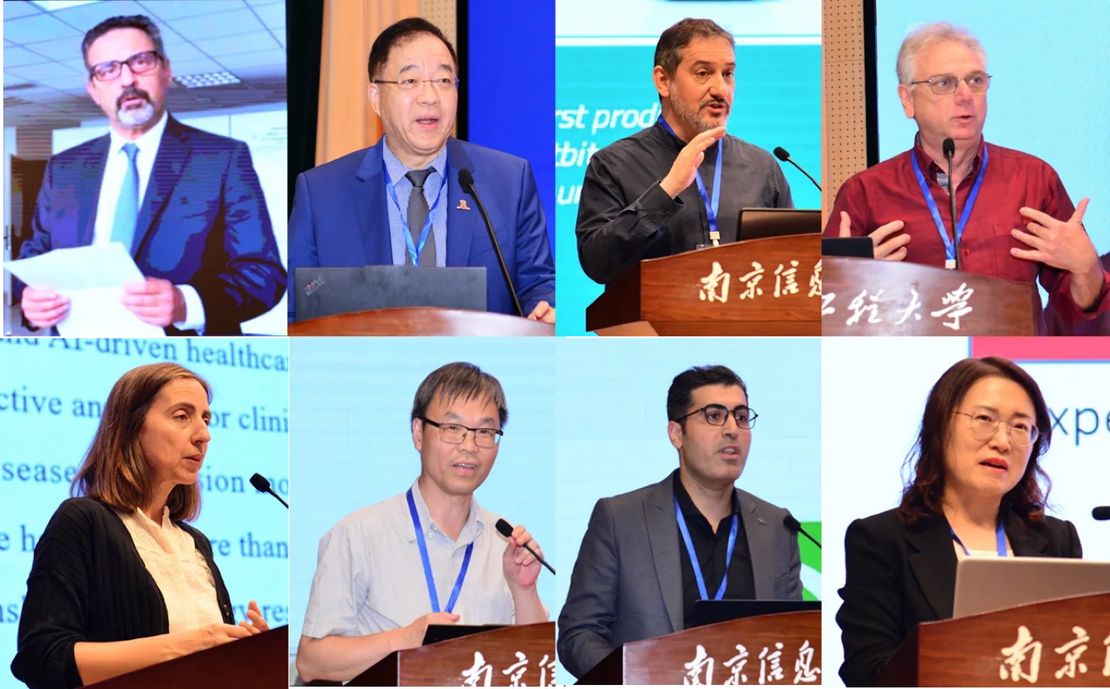
2025 International Medical Artificial Intelligence Conference and Artificial Intelligence Summer School were successfully held: jointly drawing a new blueprint for smart medical care
From July 27 to 30, 2025, the “2025 International Medical Artificial Intelligence Conference and Artificial Intelligence Summer School” was successfully held in the lecture hall of Area D, Linjiang Building, Nanjing University of Information Science & Technology.
Read More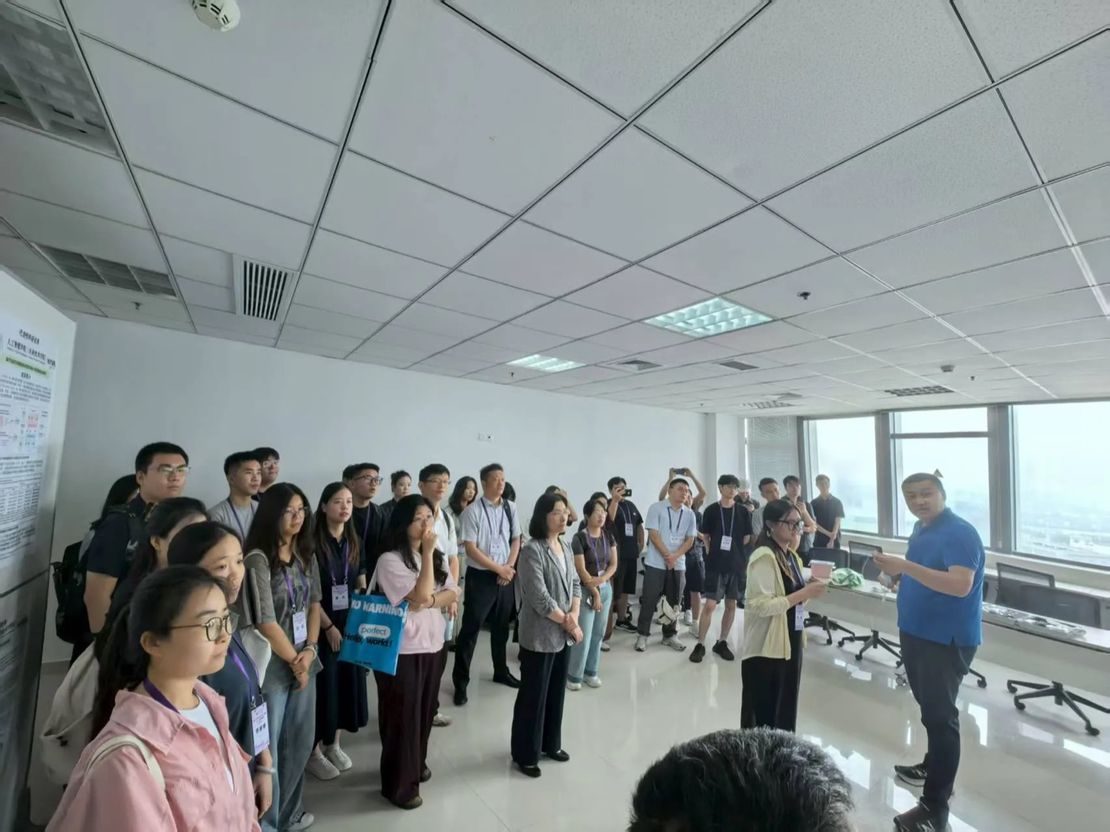
The closing ceremony of the 3rd Nanjing University Brain Imaging Science and Artificial Intelligence Summer Training Camp was held at our school
On the afternoon of August 13, 2025, hosted by Nanjing Gulou Hospital, Nanjing University of Information Science & Technology-Nanjing Gulou Hospital Intelligent Imaging Research Institute, Jiangsu University Key Laboratory of Intelligent Medical Image Computing (IMIC), Nanjing University Brain Science Research Institute, Nanjing University Medicine The closing ceremony of the “Third Nanjing University Brain Imaging Science and Artificial Intelligence Undergraduate Summer Training Camp” co-organized by the Department of Medical Imaging of the Affiliated Gulou Hospital and the Nanjing Applied Mathematics Center-Drum Tower Hospital Medical Imaging Joint Laboratory was held in the lecture hall of Area D, Linjiang Building, Nanjing University of Information Science & Technology.
Read More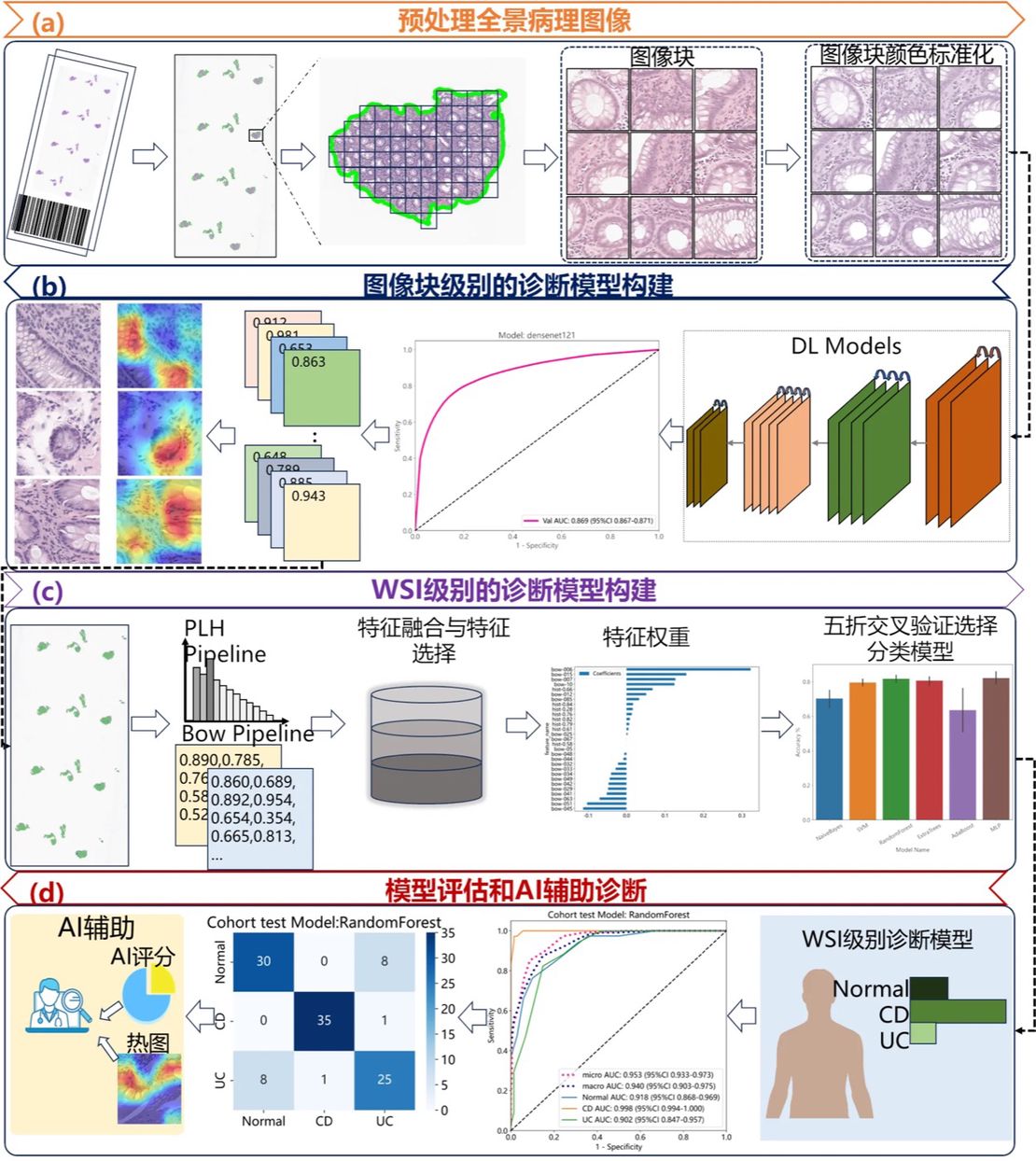
The intelligent diagnosis model based on biopsy pathology developed by Dr. Chengfei Cai of IMIC Lab can significantly improve the clinical diagnosis efficiency of inflammatory bowel disease.
The paper “IBDAIM: Artificial intelligence for analyzing intestinal biopsies pathological images for assisted integrated diagnosis of inflammatory bowel disease” by Dr. Cai Chengfei of Jiangsu University Key Laboratory of Intelligent Medical Image Computing (IMIC) was accepted by the International Journal of Medical Informatics. This result is the latest research result of cross-medical collaboration between the IMIC Lab (Professor Xu Jun’s team) and the Pathology Department of Drum Tower Hospital Affiliated to Nanjing University School of Medicine (Director Sun Qi’s team). It provides a new AI solution for the auxiliary diagnosis of inflammatory bowel disease. Current research in the field of computational pathology has made significant progress in the field of tumor pathology, but there are still obvious deficiencies in research on non-neoplastic lesions (especially inflammatory lesions). In particular, the identification and detection of intestinal inflammatory lesions face many challenges.
Read More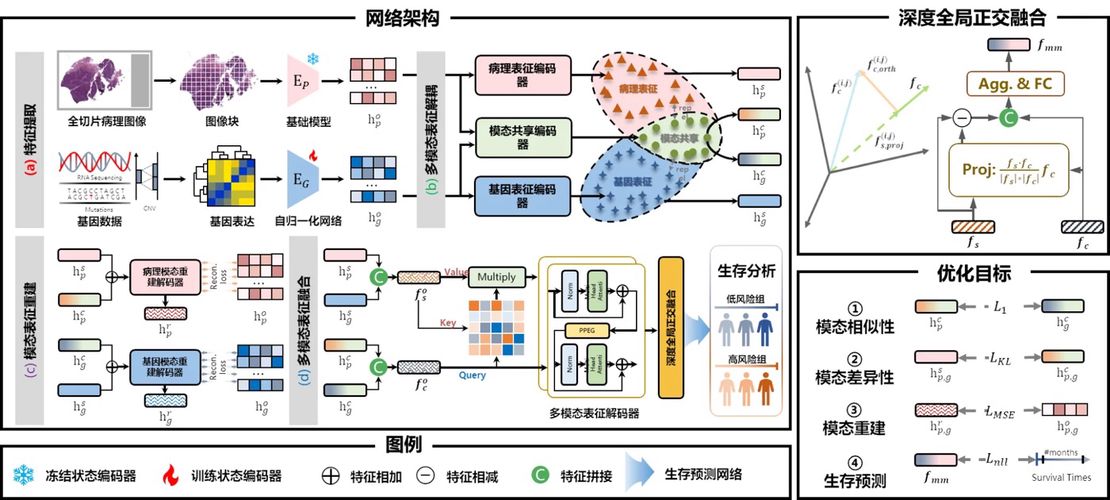
The research results of Liu Mingxin, a doctoral student in the laboratory, were accepted by MICCAI2025, the top conference in the field of medical image computing.
The paper “Multimodal Representation Decoupling Network (MurreNet): Establishing an Integrated Multimodal Interaction Model between Histopathology and Genomic Atlas for Survival Prediction of Cancer Patients” by Liu Mingxin (supervisor: Professor Xu Jun), a doctoral student at Jiangsu University Key Laboratory of Intelligent Medical Image Computing (IMIC), was officially accepted by the International Conference on Medical Image Computing and Computer Assisted Intervention (MICCAI 2025), the top conference in the field of medical image computing. This achievement is the latest innovative research result of IMIC laboratory in the field of computational pathology and multi-modal fusion, providing new solutions for cross-scale medical data: 1) pathology images and 2) multi-modal fusion of gene sequencing data and cancer survival prediction.
Read More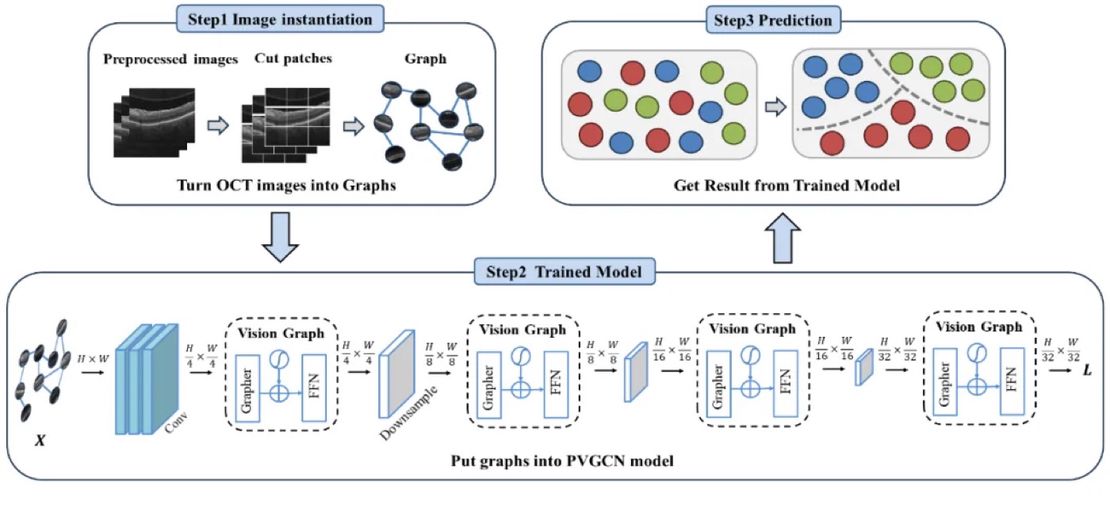
Teacher Luo Yuemei guides undergraduate students to publish papers in the journals of the Second District of the Chinese Academy of Sciences
Research background Deep learning has shown great potential in medical image analysis, especially in the task of retinopathy classification based on optical coherence tomography (OCT). However, deep learning models still face many challenges in the diagnosis of retinal diseases based on OCT images. For example, current classic deep learning methods treat images as a grid or sequence structure, which limits the capture of irregular and complex objects, thereby reducing flexibility. In addition, OCT equipment in different medical institutions has significant differences in image distribution (domain shift) due to differences in light source wavelength, detector sensitivity and imaging mode, which seriously restricts the generalization performance of deep learning models.
Read More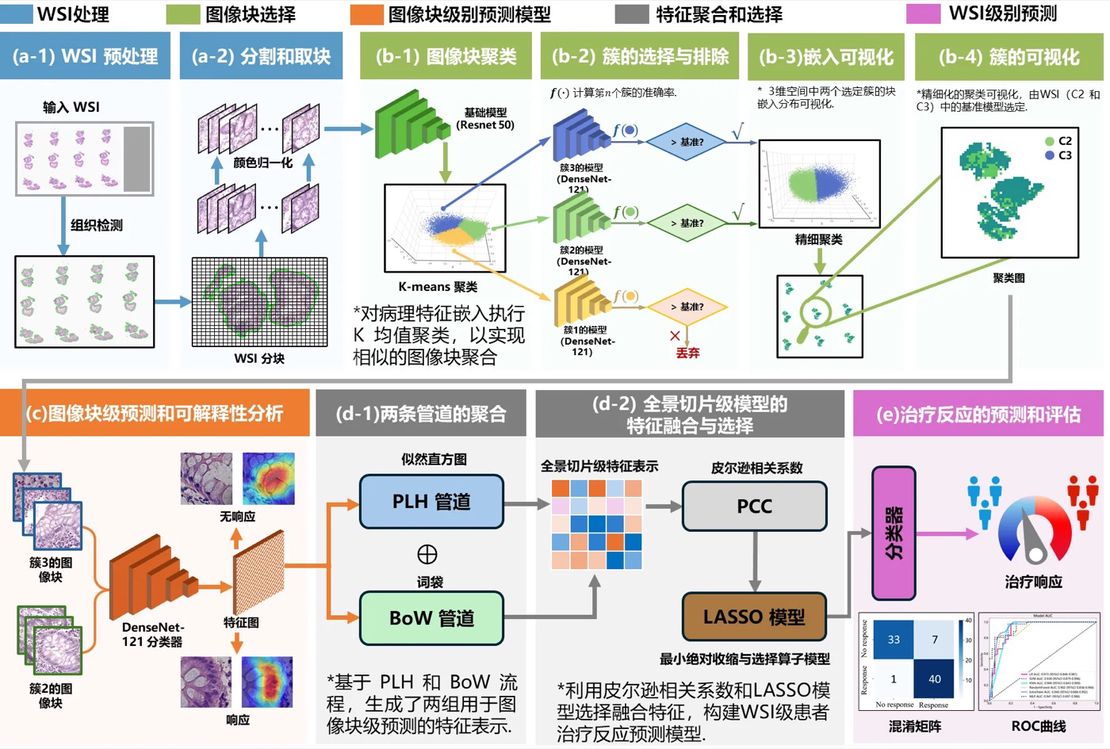
The research results of Cai Chengfei, a doctoral student in the Key Laboratory, were accepted by Bioinformatics, a top journal in bioinformatics.
Cai Chengfei, a doctoral student in the Key Laboratory (mentor: Professor Xu Jun), has made progress in the field of medical artificial intelligence. His research paper on “Prediction of Crohn’s Disease Treatment Response Based on the Fusion of Clustering and Weakly Supervised Learning” was officially accepted by the top bioinformatics journal “Bioinformatics”. This achievement is an important manifestation of the cross-medical collaboration between the Key Laboratory and the Pathology Department of Drum Tower Hospital Affiliated to Nanjing University School of Medicine (directed by the team of Director Liu Yao and Director Sun Qi), and provides an innovative AI solution for the precise treatment of Crohn’s disease.
Read More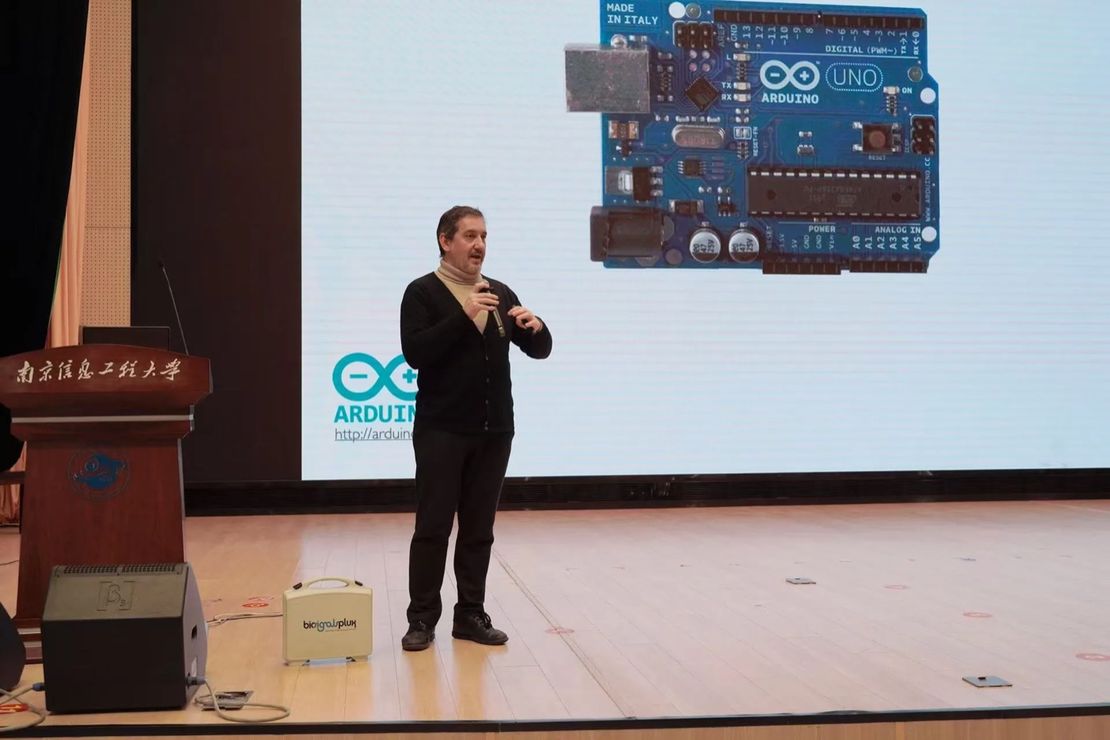
The key laboratory held a teacher-student seminar on "Physiological Signals and Wearable Devices"
On the afternoon of March 3, the School of Artificial Intelligence, School of Future Technology, and Jiangsu University Key Laboratory of Intelligent Medical Image Computing successfully held a unique teacher-student seminar on “Physiological Signals and Wearable Devices” in Lecture Hall D of Linjiang Building. The meeting was chaired by Professors Xu Jun and Professor Liu Hui. Hugo Gamboa, tenured professor of the Department of Physics of the New University of Lisbon in Portugal, served as the speaker. Professor Filipe Silva of the University of Lisbon, Portugal, key laboratory teacher Ming Wenlong, and more than 200 undergraduates from the School of Artificial Intelligence, the School of Future Technology 2023-2024 Medical Information Engineering and Artificial Intelligence, and the 2025 School of Chinese Education participated in the discussion and exchange. Key laboratory teachers Liu Hui, Yang Weiyi, and Zhou Wei respectively demonstrated and introduced their research results in this field.
Read More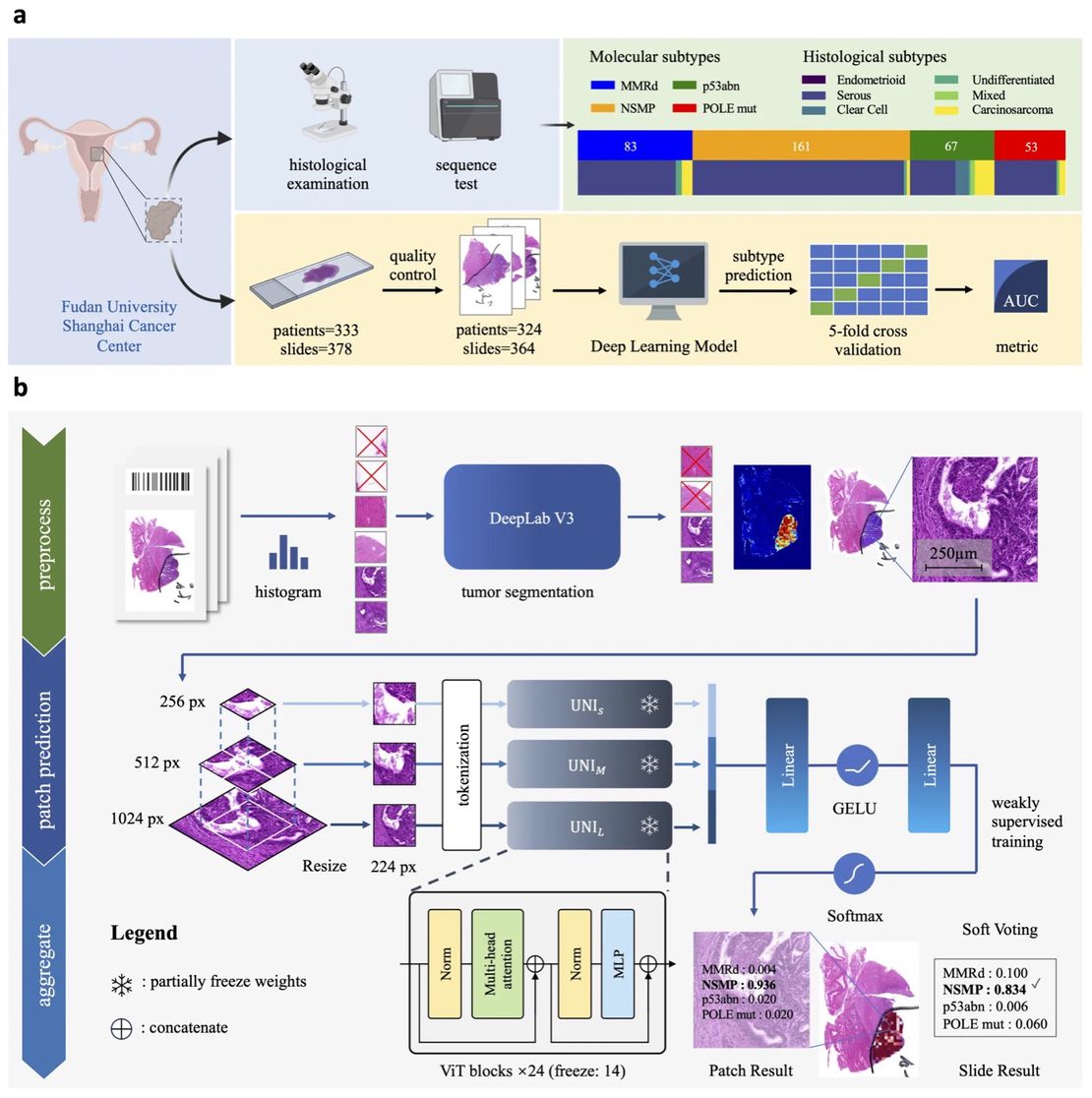
The paper collaborated by the key laboratory and the team of Professor Wu Xiaohua from the Department of Gynecology and Oncology of Fudan University Cancer Hospital was accepted by the journal Bioinformatics
Recently, teacher Wang Xiangxue and graduate student Cui Haoyu of the Key Laboratory of Pathology Wisdom Diagnosis and Treatment Team studied the prediction method of molecular subtypes of endometrial cancer based on conventional hematoxylin and eosin (H&E) stained Whole Slide Images (WSI) pathological sections. The research results (Prediction of molecular subtypes for endometrial cancer based on hierarchical foundation model) were recently accepted by the journal Bioinformatics. Based on the currently excellent computational pathology large model UNI, this paper proposes a hierarchical classification model based on weakly supervised learning, hierarchical UNI (hi-UNI). Our proposed model was subjected to 5-fold cross-validation in the oncology and gynecology cohort of Fudan University Cancer Hospital (N=364), and its prediction accuracy for molecular subtypes of endometrial cancer reached a macro-average AUROC of 0.879 (95% CI, 0.853-0.904). Compared with the current state-of-the-art endometrial cancer molecular subtype prediction methods, the model proposed in this article is superior in both prediction accuracy and computational efficiency; in addition, our method has better reproducibility. This study aims to solve the time and cost of traditional gene sequencing typing: our method provides a reliable and convenient alternative to gene sequencing and is expected to change the field of endometrial cancer diagnosis. The intelligent pathology auxiliary diagnosis and treatment team of the Key Laboratory of Intelligent Medical Image Computing has long been committed to ultra-high-resolution pathological image processing and analysis. The clinical cooperation unit of this paper is Professor Guo Qinhao and Professor Wen Hao from the team of Professor Wu Xiaohua, Department of Gynecology Oncology, Fudan University Cancer Hospital.
Read More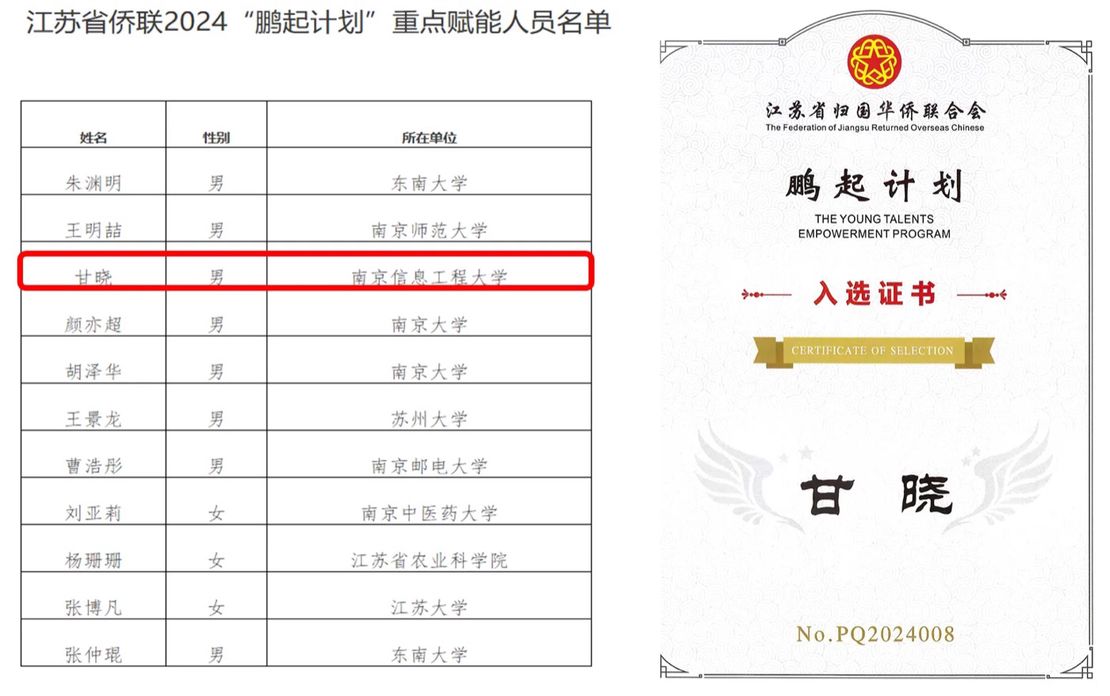
Key laboratory teacher Gan Xiao was selected into the first batch of key empowerment targets of the "Pengqi Plan" of the Jiangsu Overseas Chinese Federation
Recently, the Overseas Chinese Federation of Jiangsu Province issued a document announcing the first batch of key empowerment targets of the “Pengqi Plan”. Gan Xiao, a teacher at the Key Laboratory of Intelligent Medical Image Computing, was selected. There are only 11 people in the province (Figure 1).
Read More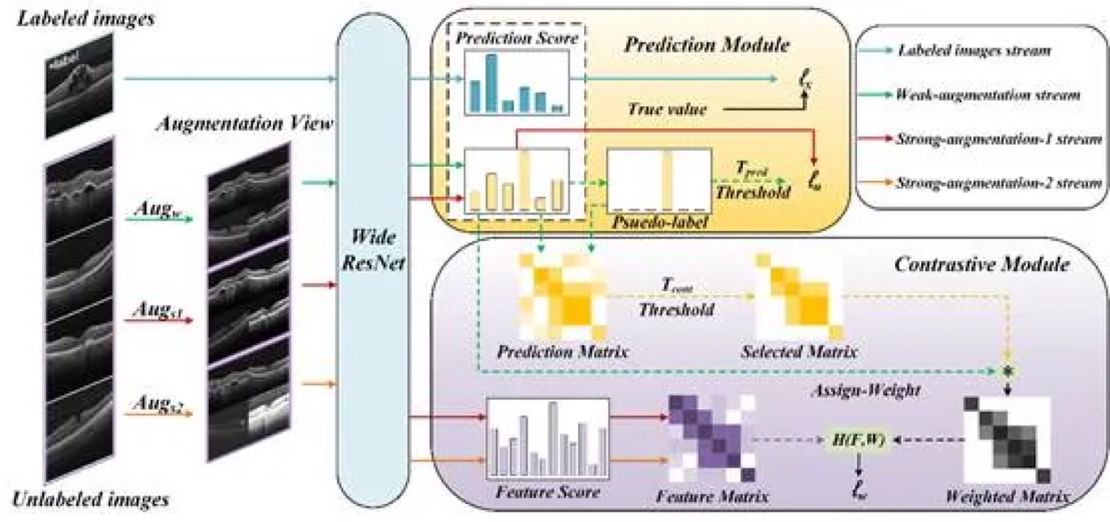
The papers of key laboratory teacher Luo Yuemei and graduate student Li Yuan were accepted by the journal Knowledge-Based Systems
Teacher Luo Yuemei and her team from the Key Laboratory of Intelligent Medical Image Computing have been committed to the research of OCT imaging and analysis and deep learning automatic recognition algorithms. Recently, Teacher Luo and his team proposed a new semi-supervised learning (SSL) method that combines category-aware contrast learning with FixMatch to enhance the robustness and accuracy of retinal disease identification using minimal labeled data. This research result (Retinopathy Identification in Optical Coherence Tomography Images Based on a Novel Class-Aware Contrastive Learning Approach (Retinopathy Identification in Optical Coherence Tomography Images Based on a Novel Class-Aware Contrastive Learning Approach)) was recently accepted by Knowledge-Based Systems (Journal of the First District of the Chinese Academy of Sciences, the latest impact factor of the magazine is 7.2). Teacher Luo Yuemei is the corresponding author of this article, and Li Yuan, a graduate student in the key laboratory, is the first author.
Read More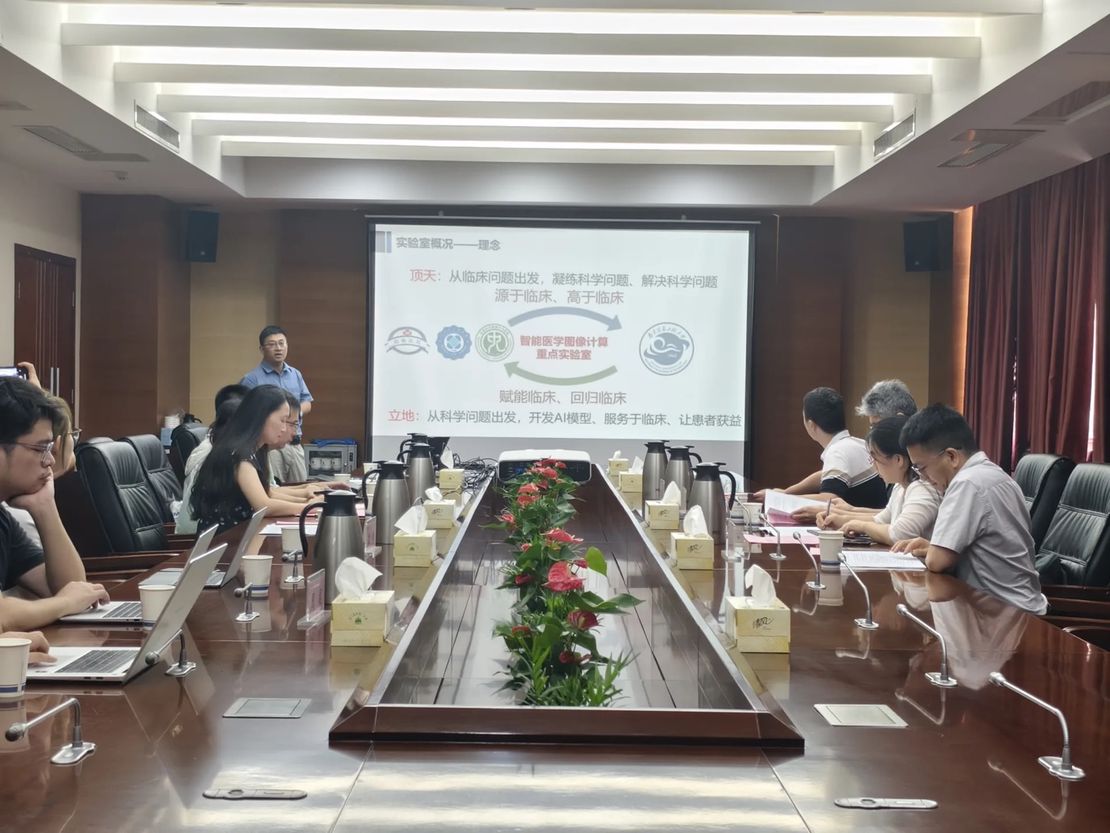
Our school held an expert demonstration meeting on the construction plan of the "Intelligent Medical Image Computing" key laboratory in Jiangsu universities.
On September 6, 2024, the Jiangsu University Key Laboratory - Key Laboratory of Intelligent Medical Image Computing, which was approved by the School of Future Technology and the School of Artificial Intelligence of our school, held an expert demonstration meeting on the laboratory construction plan. Chen Junbing, deputy director of the National Key Laboratory of Water Disaster Prevention at Hohai University, serves as the leader of the expert group. Zhang Xuejing, director of the Science and Technology Department of Jiangsu Provincial People’s Hospital, Wang Yuancheng of the Radiology Department of Zhongda Hospital Affiliated to Southeast University, Chen Jiu of the Institute of Medical Imaging and Artificial Intelligence of Nanjing Drum Tower Hospital, and Lu Zhenyu, dean of the Graduate School and Director of the Discipline Construction Division of Nanjing University of Information Science & Technology, are members of the expert group. Li Beibei, deputy director of the Science and Technology Department of our school, Xu Jun, director of the key laboratory and deputy dean of the College of Future Technology, Xuan Kai, deputy director of the laboratory, and academic backbones attended the meeting. The demonstration meeting was hosted by Professor Xu Jun.
Read More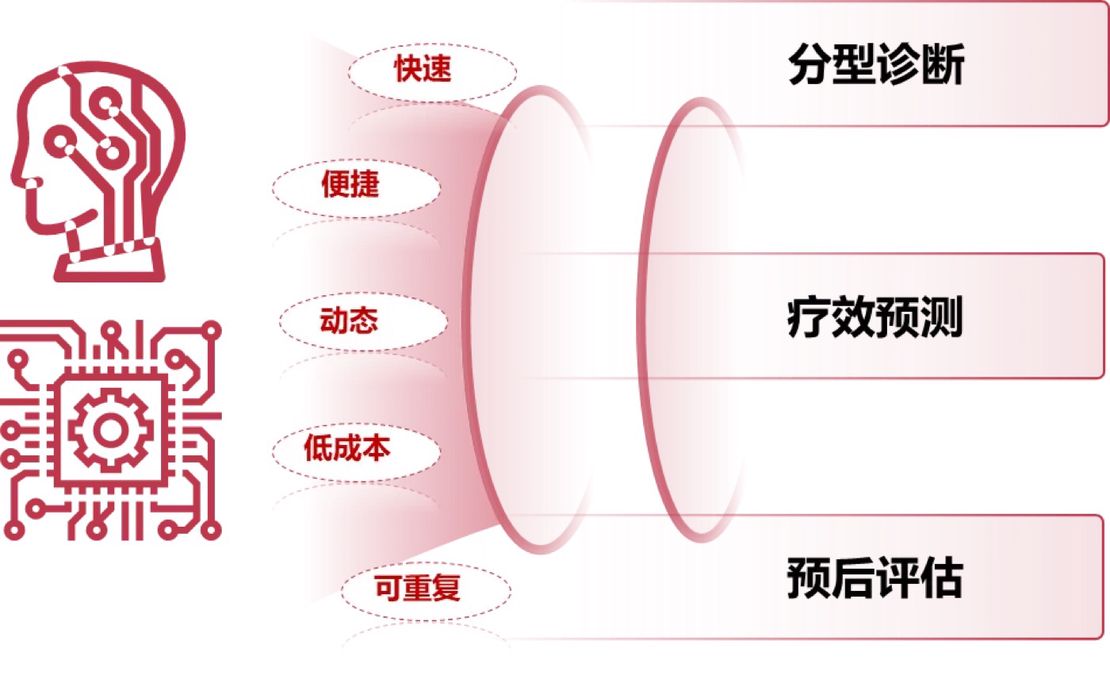
The laboratory was approved as a special project for smart diagnosis and treatment of major diseases
Recently, the evaluation results of the 2024 National Natural Science Foundation of China’s “Intelligent Diagnosis and Treatment of Major Diseases” special project were announced. The project jointly submitted by Professor Xu Jun’s team from the “Intelligent Medical Image Computing” Key Laboratory of our school and Professor Shao Zhimin’s team from the Breast Surgery Department of Fudan University Cancer Hospital was successfully approved for funding.
Read More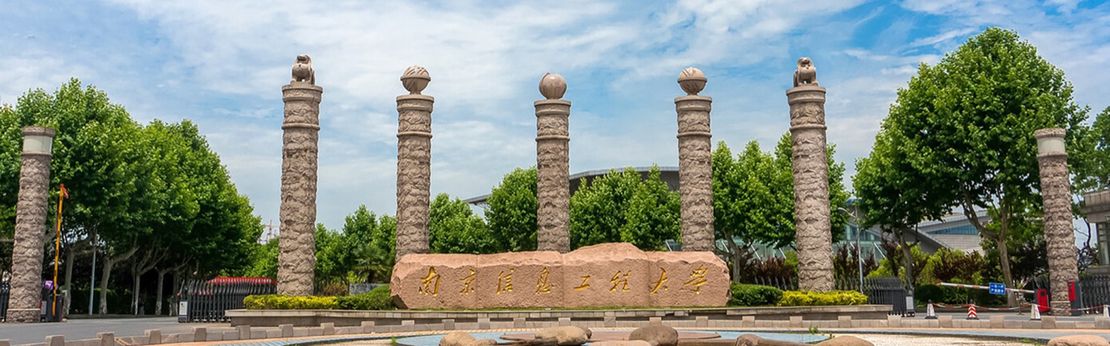
Luo Yuemei participated in the 20th Sino-US Frontier Science Symposium
The 20th China-U.S. Frontier Science Symposium, jointly organized by the Chinese Academy of Sciences and the U.S. National Academy of Sciences, was held from November 18 to 21 at the Friendship Palace of the Friendship Hotel in Beijing. Nearly a hundred young scientists from more than 40 Chinese and American research institutions and universities, including the Chinese Academy of Sciences, Tsinghua University, Peking University, Harvard University, MIT, and Lawrence Berkeley National Laboratory, conducted in-depth exchanges and interdisciplinary discussions on related cutting-edge science and technology topics. The conference carried out in-depth exchanges and discussions around topics such as artificial intelligence promoting scientific development, connectomics of neurological diseases, exoplanets, in situ structural cell biology, nanopore biotechnology analysis, ocean carbon dioxide removal, future-oriented quantum materials, and using new mathematical tools to understand artificial intelligence. As one of the important platforms for interdisciplinary exchanges between the academies of sciences of the two countries and even for young scholars from both countries, the Sino-US Frontier Science Symposium organizes interdisciplinary discussions around different themes in the field of natural sciences. Scientists from both sides learn from each other in the field of basic research through the symposium, which enhances friendship and broadens their horizons, and plays a positive role in strengthening exchanges between the young scientific communities of the two countries. Luo Yuemei was invited to attend the meeting of the “Artificial Intelligence Promotes Scientific Development” branch and gave a poster presentation on “Automated OCT-Based Retinal Disease Detection: Innovations and Applications in Semi-Supervised Deep Learning” on behalf of the Key Laboratory of Intelligent Medical Image Computing.
Read More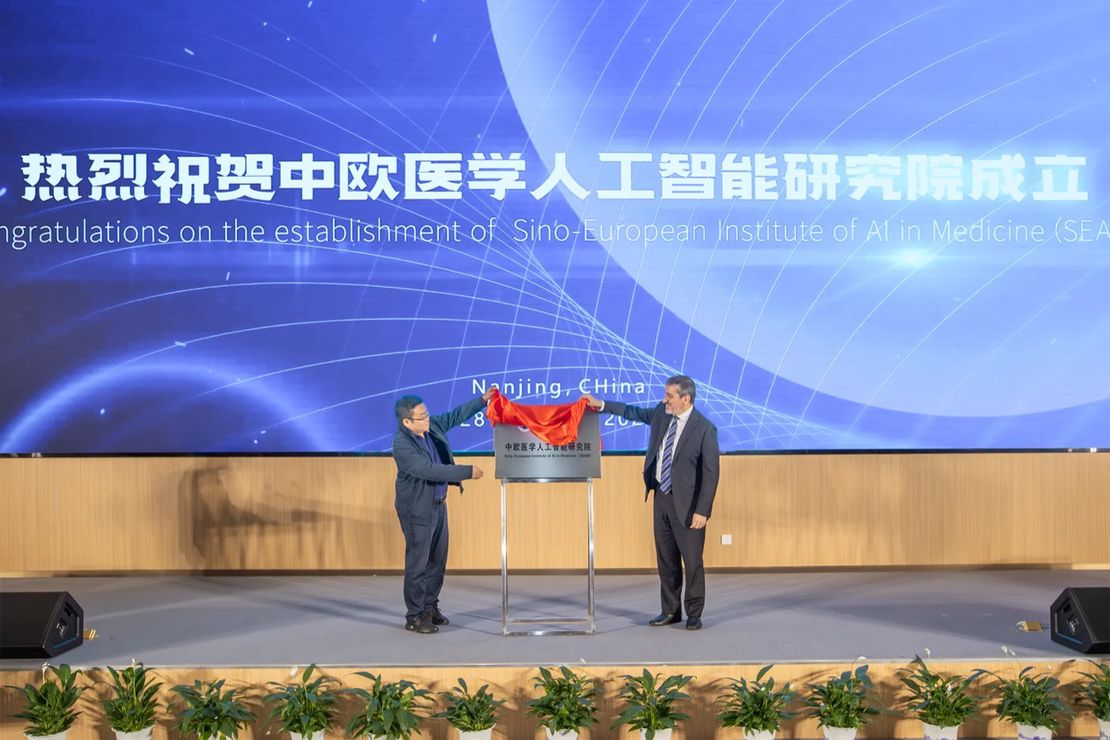
China-Europe Institute of Medical Artificial Intelligence was unveiled
The Jiangsu Key Laboratory of Intelligent Medical Image Computing signed a strategic cooperation agreement with the Institute of Instrumentation, Biomedical Engineering and Radiation Physics of the New University of Lisbon in Portugal to establish the Sino-European Institute of AI in Medicine (SEAM), which was officially unveiled in Nanjing on October 28, 2024. This milestone moment brings new opportunities for the integrated development of medicine and artificial intelligence. It will also effectively promote comprehensive cross-field cooperation between Nanjing University of Information Science & Technology and well-known European universities, top research institutes and excellent industry incubators.
Read More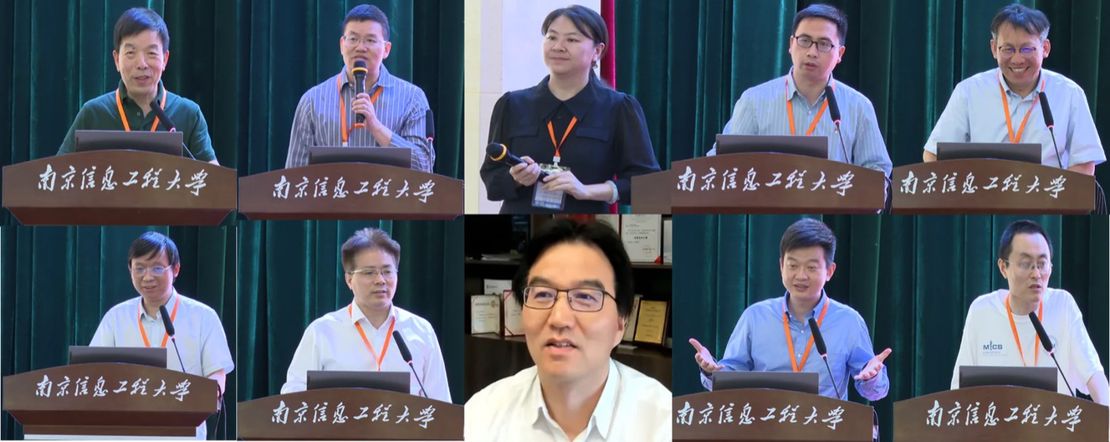
The 2024 Smart Medical and Health Summit Forum was successfully held in our school
From May 17th to 18th, the 2024 Smart Medical and Health Summit Forum and Medical Image Computing Youth Symposium (MICS) offline academic exchange event was held at Nanjing University of Information Science & Technology. This event is the sixth Science and Technology Activity Month of Nanjing University of Information Science & Technology and the 64th anniversary celebration of Nanjing University of Information Science & Technology. It is also a sub-forum of the Development Conference of the School of Artificial Intelligence (College of Future Technology) of Nanjing University of Information Science & Technology and the Metaverse and Artificial Intelligence Application Innovation Forum.
Read More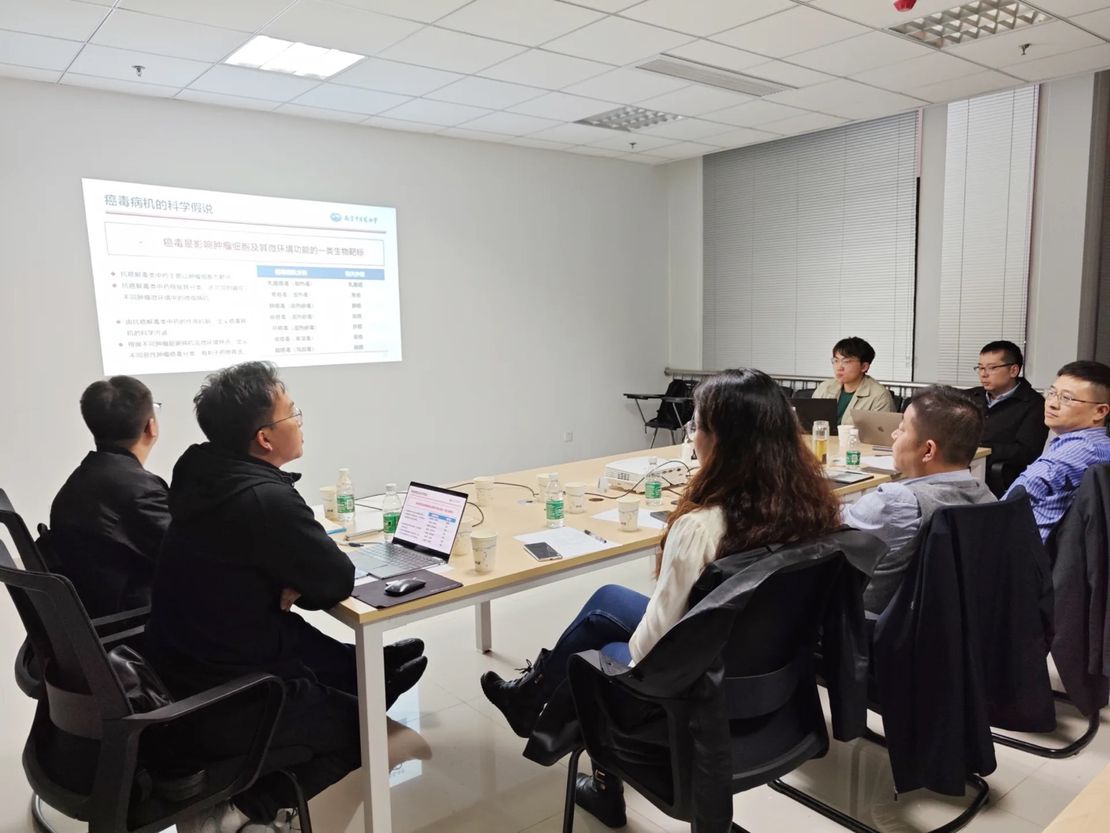
Professor Shan Jinjun’s team from Nanjing University of Chinese Medicine came to the Smart Medical Research Institute for academic exchanges
On the afternoon of November 8, the Smart Medical Research Institute invited a team of professors Shan Jinjun from the First Clinical School of Nanjing University of Chinese Medicine to come to the school for academic exchanges. Vice Dean Xu Jun, Dr. Gan Xiao, Dr. Ren Mucheng of the School of Artificial Intelligence of our school, Associate Professor Gao Bei of the School of Marine Science, as well as Professor Shan Jinjun, Dr. Li Mengyuan, and doctoral candidates Zhang Qinchang and Tao Yuquan of Nanjing University of Chinese Medicine participated in the meeting.
Read More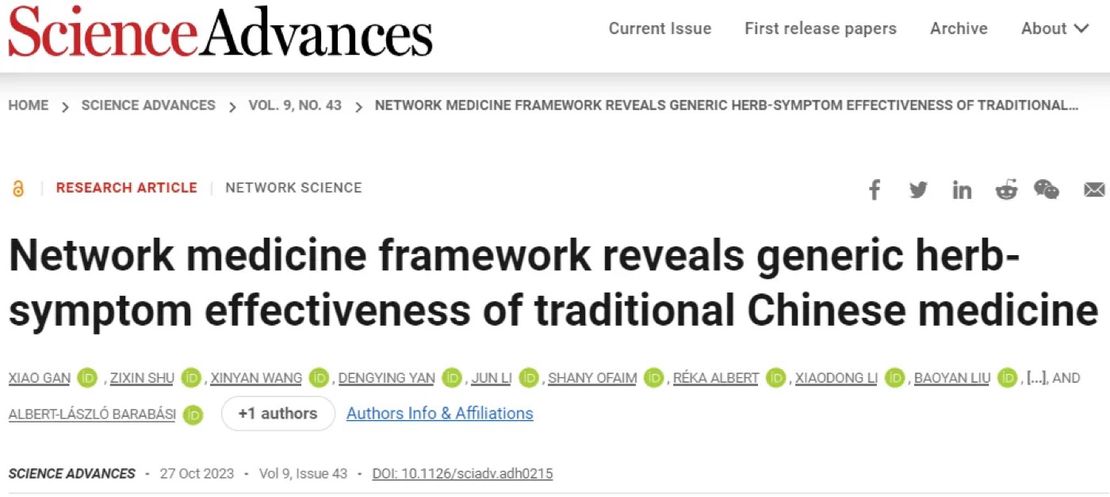
The research results of teachers from the Smart Medical Research Institute in the Science sub-journal reveal the modern scientific explanation of the principle of "syndrome differentiation and treatment" of traditional Chinese medicine
Recently, Dr. Gan Xiao, a member of the team of Professor Xu Jun of the Smart Medical Research Institute of the School of Artificial Intelligence of Nanjing University of Information Science & Technology, Professor Zhou Xuezhong of Beijing Jiaotong University, the founder of network science, an academician of the European Academy of Arts and Sciences, and Professor Albert-László Barabási of Northeastern University, as well as a joint team including the China Academy of Chinese Medical Sciences and the Hubei Provincial Hospital of Traditional Chinese Medicine published a research paper “Network medicine framework reveals” in Science Advances (a top journal of the Chinese Academy of Sciences, impact factor IF=13.6). “generic herb-symptom effectiveness of Traditional Chinese Medicine (network medicine theory reveals the universal rules of clinical efficacy of traditional Chinese medicine)”, Dr. Gan Xiao of our hospital is the first author and co-corresponding author. This paper found that the traditional treatment principle of “syndrome differentiation and treatment” of traditional Chinese medicine can be explained by the topological proximity relationship between traditional Chinese medicine and disease symptoms on the protein network, and was verified by real-world clinical data. It was the first time to explore and establish a scientific theory to explain the principle of traditional Chinese medicine treatment system.
Read More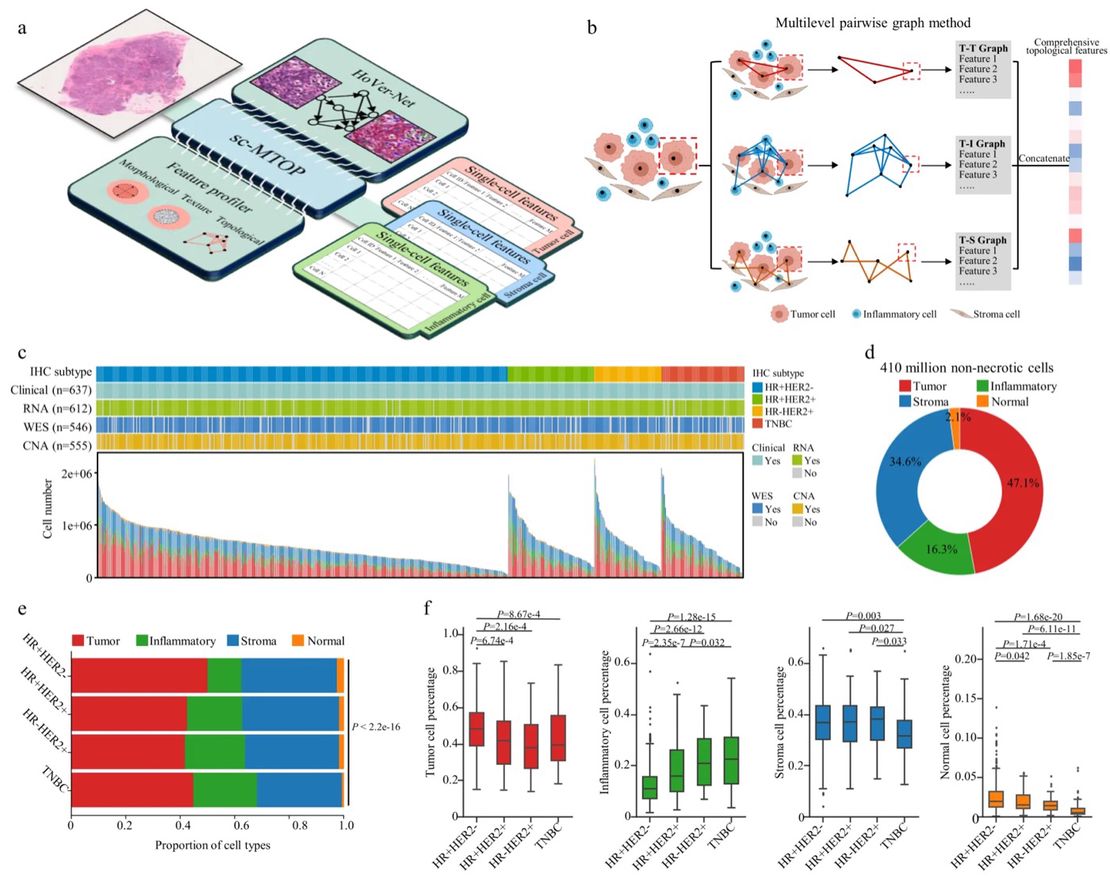
Digital Pathology + Artificial Intelligence: 400 Million Cell Atlas Analyzes Breast Cancer Ecotypes
From a microscopic perspective, a towering tree is not just the tree itself, but a huge ecosystem composed of many different organisms and their complex interactions. Similarly, breast cancer is not only composed of tumor cells, but also a huge ecosystem composed of many different cells such as inflammatory cells and stromal cells and their complex interactions. The biological behavior, prognosis and efficacy of breast cancer depend not only on the characteristics of tumor cells, but also on other cellular components and their interactions with tumor cells. Analyzing the composition of the breast cancer ecosystem and the relationship between different types of cells is of great significance for understanding the biological behavior of breast cancer and improving the level of accurate diagnosis and treatment of breast cancer. Since cells are the basic unit of life, they are also the basis for the occurrence and development of diseases. Traditional pathology can only perform descriptive analysis on a small number of cells using hematoxylin and eosin (H&E) stained sections and optical microscopy; as digital pathology is adopted on a large scale in clinical practice, we can use advanced data and knowledge-driven machine learning technology and digital image processing technology to carry out multi-omics and massive data on hundreds of millions of cells and their tissue structures in high-resolution digital pathology sections. Quantitative analysis can reveal the trends and patterns of disease occurrence and development, thereby helping us better understand the disease and assist doctors in formulating optimal treatment strategies.
Read More
Smart Medical Research Institute was approved for 5 National Natural Science Foundation projects
On August 24, the National Natural Science Foundation of China issued the “Notice on the Review Results of the National Natural Science Foundation’s Centralized Acceptance of Application Projects in 2023”. Xuan Kai, Wang Xiangxue, Jiao Yiping, Zhang Teng, and Li Jin of the Smart Medical Research Institute were approved for the National Natural Science Foundation project. Recently, Wan Zhuo and Zhang Teng of the Smart Medical Research Institute were approved for the Jiangsu Provincial Natural Science Foundation Youth Project, and Wang Xiangxue was approved for the Jiangsu Provincial College Natural Science Project. Congratulations to the above teachers!
Read More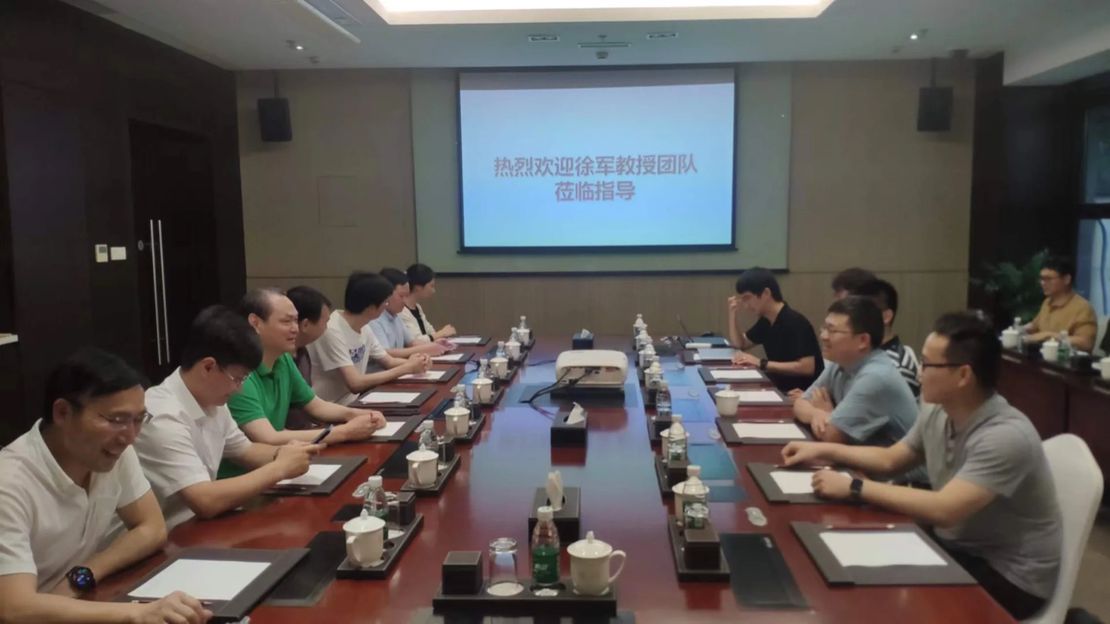
The Smart Medical Research Institute team visited many hospitals in Shanghai for exchanges
Subsequently, the institute team conducted academic exchanges with the team of Director Zhou Zhengrong of the Department of Radiation Diagnosis of Fudan Cancer Hospital. Department of Radiation Diagnosis Dr. Xie Tiansong and Dr. Liu Wei gave academic reports on “Progress in Imaging Diagnosis of Neuroendocrine Tumor Liver Metastasis” and “Progress in Imaging Research of Pancreatic Cancer” respectively. They introduced the current research progress of neuroendocrine tumor liver metastasis and pancreatic cancer to the engineering team of the Smart Medical Research Institute, and raised scientific issues of clinical concern. The two parties had a heated discussion on how to use advanced artificial intelligence technology to solve clinical concerns and formulated plans for further cooperation.
Read More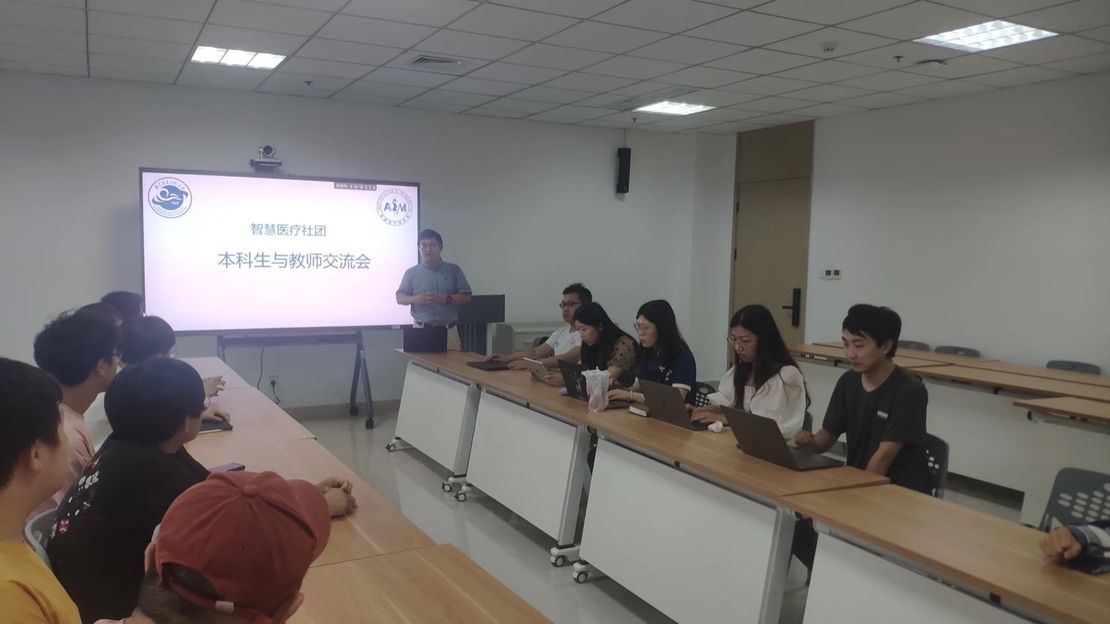
Smart Medical Association undergraduates and teachers held teacher-student discussions and exchanges
In order to better help undergraduates plan their summer studies, guide undergraduates who are interested in scientific research to master scientific research methods and lay the foundation for future scientific research work, on the afternoon of June 30, teachers from the Smart Medical Research Institute and students from the Smart Medical Club held a symposium in the Information Technology Building. During the event, Vice Dean Xu Jun first made a detailed analysis of the possibility of undergraduates participating in scientific research, and he made suggestions for undergraduates who are interested in engaging in scientific research. He pointed out that engaging in scientific research may not be suitable for everyone because it requires a lot of time and energy and the determination to persevere. He encouraged the students of the Smart Medical Club to always maintain curiosity and thirst for knowledge, and constantly strive to learn new knowledge; learn to ask questions, think about problems, and solve problems; learn to cooperate with others and share their ideas and results with others; be brave enough to try new methods and ideas; persevere, not be afraid of failure, and keep trying. He encouraged all smart medical students who are interested in scientific research to receive scientific research training at the Smart Medical Research Institute during the summer vacation. Through scientific research training, they can cultivate the rigorous scientific spirit of undergraduates; improve their innovation awareness and ability, scientific literacy and scientific thinking ability; and cultivate practical ability and teamwork spirit.
Read More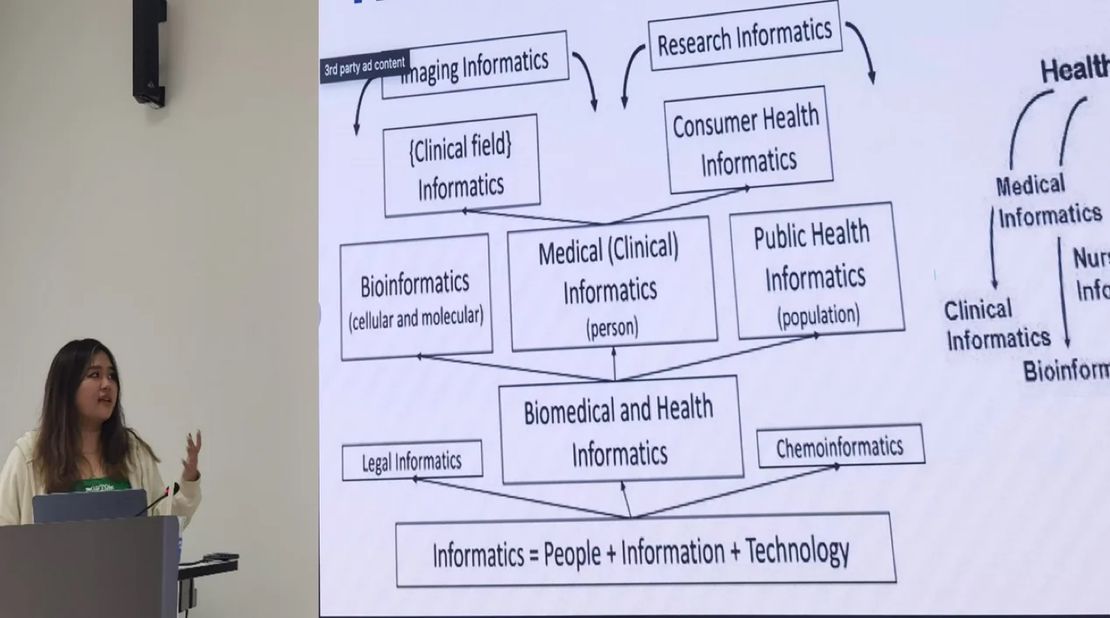
The School of Artificial Intelligence (College of Future Technology) held a study abroad application exchange meeting
On June 26, the School of Artificial Intelligence (College of Future Technology) held a study abroad application exchange meeting in A101-102 of the Information Technology Building. Three junior students, Xu Geyang, Pang Yuqi, and Liu Jiehui, who studied at several well-known universities in the United States, were invited to share their experiences in studying professional courses such as informatics, statistics, and data science in American universities. Young teachers from the college and more than 30 junior students participated in the event. The meeting was chaired by Dr. Li Jin.
Read More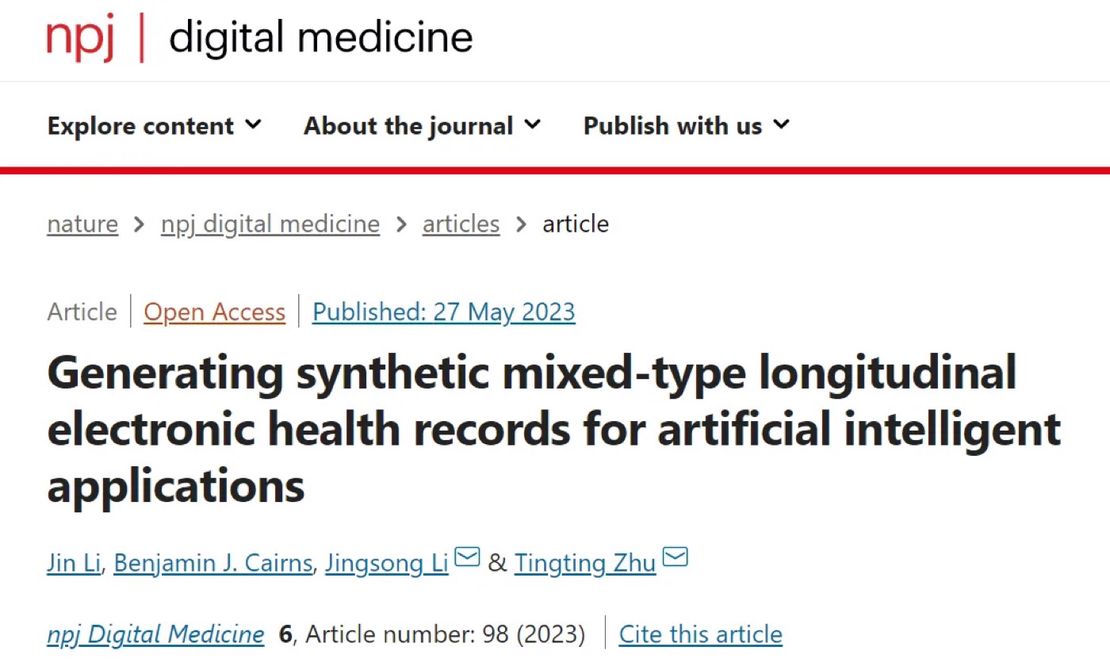
Teachers from the Smart Medical Research Institute published papers in the Nature cooperation series of journals
Recently, Dr. Li Jin and Dr. Wang Xiangxue, members of Professor Xu Jun’s team at Nanjing University of Information Science & Technology - Zhongda Hospital Smart Medical Research Institute, published two papers respectively in the authoritative journal “npj Digital Medicine” (District 1, Chinese Academy of Sciences, Top Journal, impact factor IF=15.357) and “npj Precision Oncology” (impact factor IF=10.092) in the Nature collaboration series.
Read More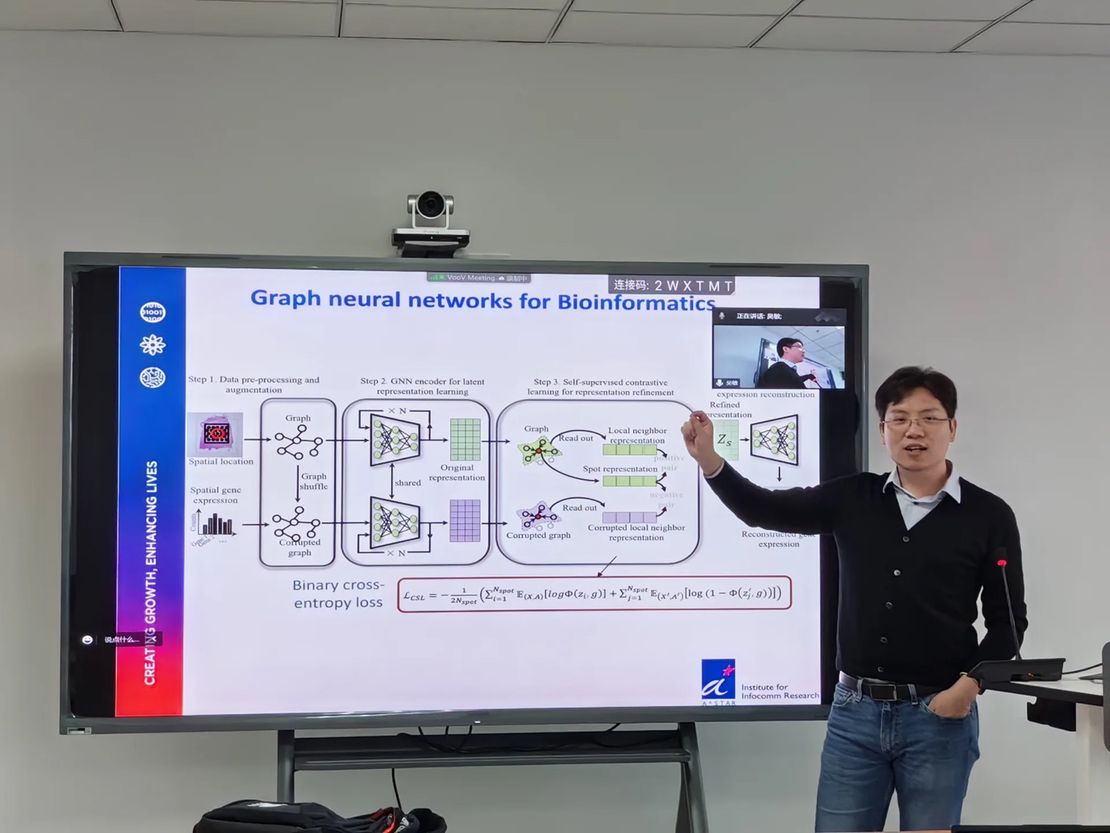
Researcher Wu Min from the Singapore Agency for Science, Technology and Research was specially invited to the school to give an academic report.
On the afternoon of June 5, Nanjing University of Information Science & Technology - Zhongda Hospital Smart Medical Research Institute invited Researcher Wu Min from the Agency for Science, Technology and Research (A*STAR) of Singapore to come to the school to give an academic report titled “Label-efficient Time Series Representation Learning”. Professor Xu Jun, deputy dean of the School of Artificial Intelligence (College of Future Technology) and executive director of the Smart Medical Research Institute of our school, presided over this report meeting. This meeting adopted a combination of offline + online (Tencent Conference and Koxiang Academic). There were more than 100 teachers and students participating in the meeting, including 2,026 live broadcasts of Koxiang Academic.
Read More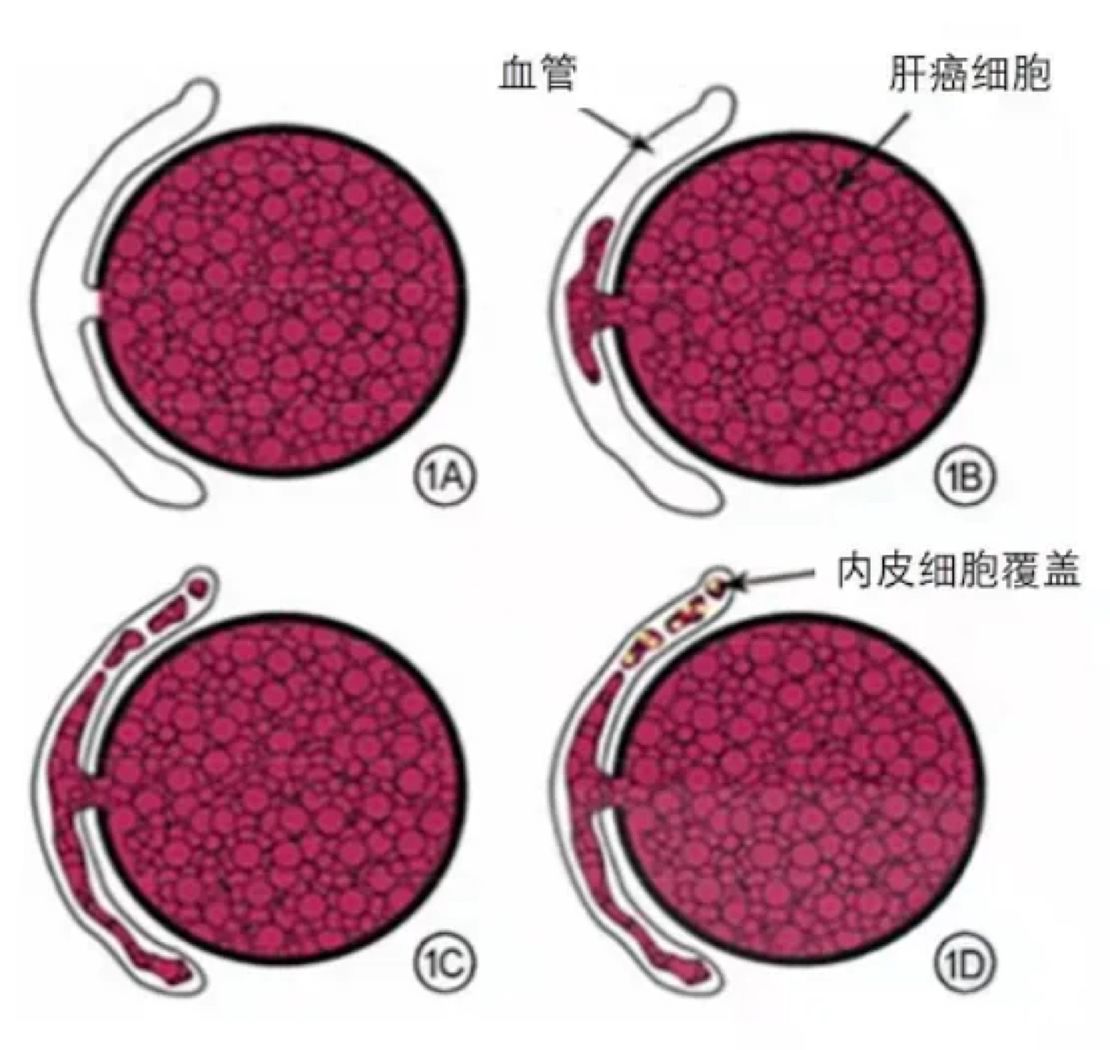
The paper jointly written by Zhou Zhenghao, a graduate student at the Smart Medical Research Institute, and Dr. Xia Yi from CUHK Hospital was accepted by Radiology, the top journal in the field of medical imaging.
Research background With the innovation of imaging diagnosis technology, advances in surgical procedures, and the use of targeted and immunological drugs, the overall survival of patients with hepatocellular carcinoma (HCC) has greatly improved, but the 5-year survival is still low. One of the reasons is that patients already have microvascular invasion (MVI) when they are diagnosed. MVI refers to the invasion of microvessels by tumors. Under the microscope, nests of cancer cells are seen in the vascular lumen lined with endothelial cells. They are commonly found in small portal vein branches and hepatic vein branches in the adjacent liver tissue, as shown in Figure 1. The incidence rate of MVI is between 15% and 57.1%. Its occurrence indicates that the biological behavior of HCC is more aggressive. Therefore, it is an important factor affecting the prognosis of liver cancer and an important reference for the formulation of treatment plans. In recent years, a large number of studies have attempted to use CT, MRI and other imaging methods combined with clinical and laboratory indicators to predict MVI preoperatively, which can help guide treatment decisions for patients with liver cancer.
Read More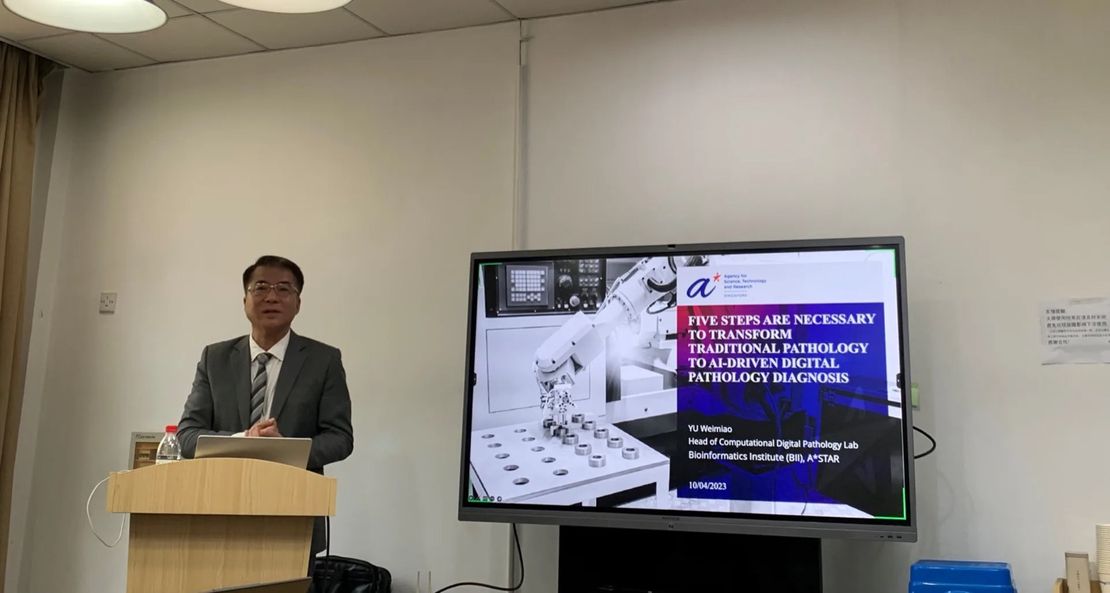
Professor Yu Weimiao from the Singapore Agency for Science and Technology (A*STAR) was specially invited to the school to give an academic report.
On the afternoon of April 10, Nanjing University of Information Science & Technology - Zhongda Hospital Smart Medical Research Institute invited Professor Yu Weimiao from the Singapore Science and Technology Agency (A*STAR) to the school to give an academic report. The report was titled “Five Necessary Steps from Traditional Pathology to AI-driven Digital Pathology Diagnosis”. Professor Xu Jun, deputy dean of the School of Artificial Intelligence (School of Future Technology) and executive director of the Smart Medical Research Institute of our school, presided over this report meeting. The meeting adopted a combination of offline + online (Tencent Conference and Kouxiang Academic). There were more than 60 teachers and students participating in the Tencent Conference online and offline, and the Kouxiang Live Broadcast Platform received about 2,000 clicks from the audience.
Read More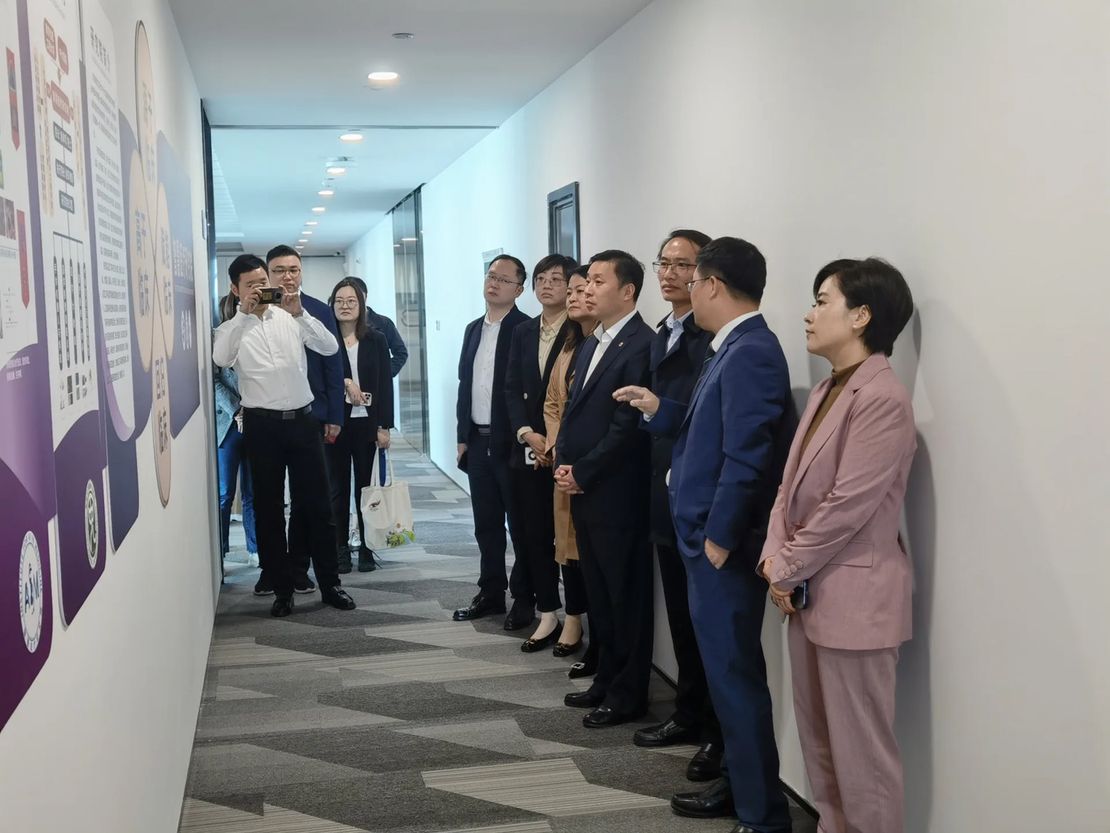
Ji Fang, Vice Mayor of Kunshan City, and his delegation visited the Smart Medical Research Institute for investigation
On the morning of April 11, Kunshan Vice Mayor Ji Fang led a delegation of heads of the Municipal Talent Office and other relevant departments to the Nanjing University of Information Science & Technology - Zhongda Hospital Smart Medical Research Institute for research and guidance. Yang Chunyan, Secretary of the Party Committee of the School of Chemistry and Materials of our school, and Liu Yuhua, Deputy Director of the Organization Department of the School Party Committee, accompanied the visit.
Read More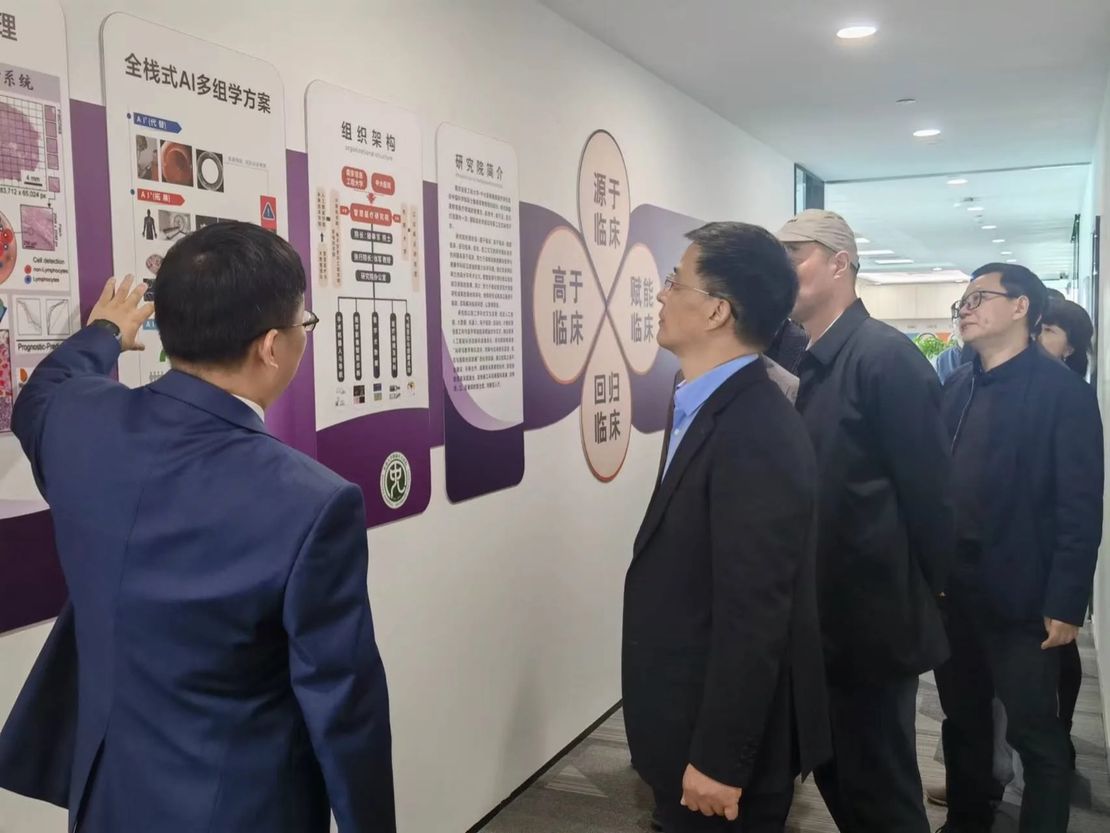
Academician Ma Yuqiang, Vice Chairman of the Provincial CPPCC and Chairman of the Provincial Committee for Democratic Progress, and his delegation visited the Smart Medical Research Institute for investigation
On the afternoon of April 12, Deputy Chairman of the Provincial Committee of the Chinese People’s Political Consultative Conference Chairman, Chairman of the Provincial Committee for the Advancement of Democracy and Academician of the Chinese Academy of Sciences Ma Yuqiang and his delegation went to Nanjing University of Information Science & Technology-Zhongda Hospital Smart Medical Research Institute for research and guidance. Zhu Yimin, full-time deputy chairman of the Provincial Committee for the Democracy and first-level inspector, and Deputy Chairman of the Provincial Committee for the Democracy Yuan Linwang, Vice President of the Committee and Nanjing Normal University, relevant persons in charge of the Party Affairs Office of the United Front Work Department of the Provincial Party Committee, the Graduate Office of the Provincial Department of Education, members of the Provincial Political Consultative Conference, relevant persons in charge of the Suzhou CPPCC Committee, specially appointed researchers of the Provincial Committee for Democracy and persons in charge of the Research Office participated in the survey. Liu Bo, Vice President of our school, Chen Tao, Member of the Standing Committee of the School Party Committee and Director of the United Front Work Department of the Party Committee, and Lai Peng, Deputy Director of the Discipline Construction Department, accompanied him.
Read More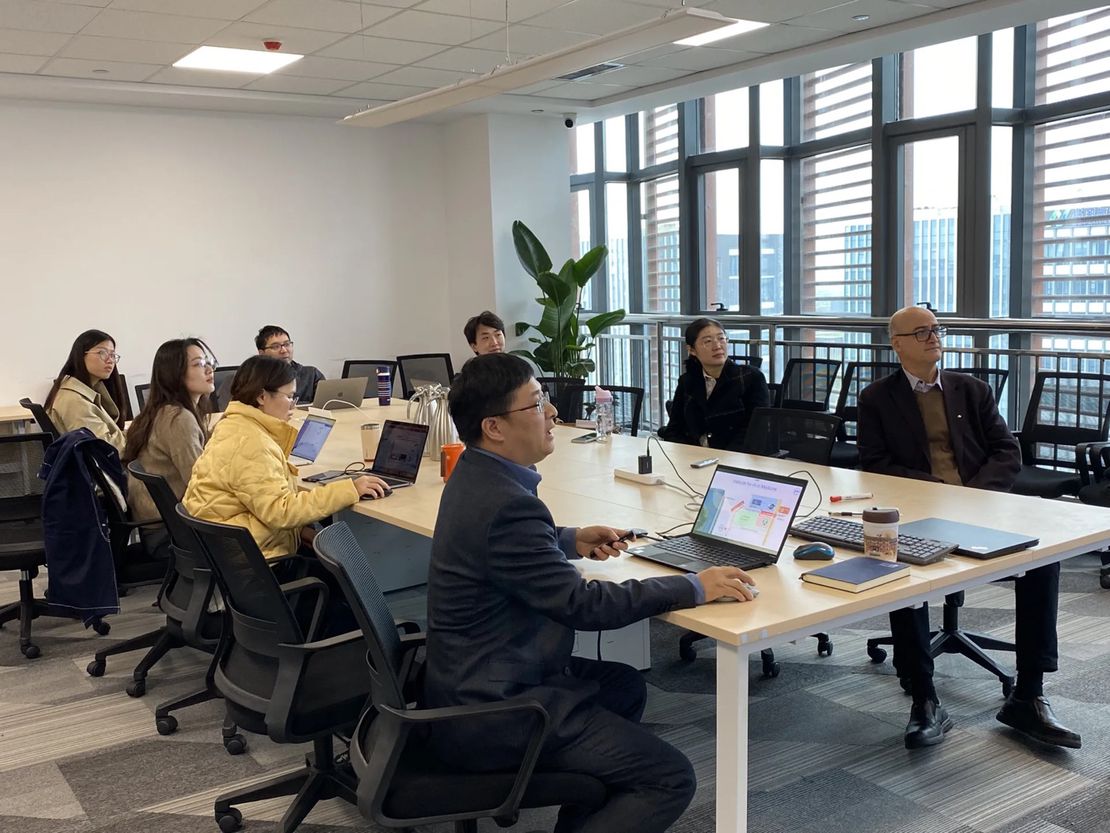
Academician Moncef Gabbouj from Tampere University in Finland visited the institute for guidance
On the afternoon of March 24, Professor Moncef Gabbouj, academician of the European Academy of Sciences, academician of the Academy of Finland, and University of Tampere, Finland, visited Nanjing University of Information Science & Technology - Zhongda Hospital Smart Medical Research Institute for guidance. Professor Gabbouj was accompanied by Professor Yu Li from the School of Computer Science of our school. Some teachers from the Smart Medical Research Institute participated in this academic exchange event. The event was hosted by Professor Xu Jun, deputy dean of the School of Artificial Intelligence (College of Future Technology) and executive director of the Smart Medical Research Institute.
Read More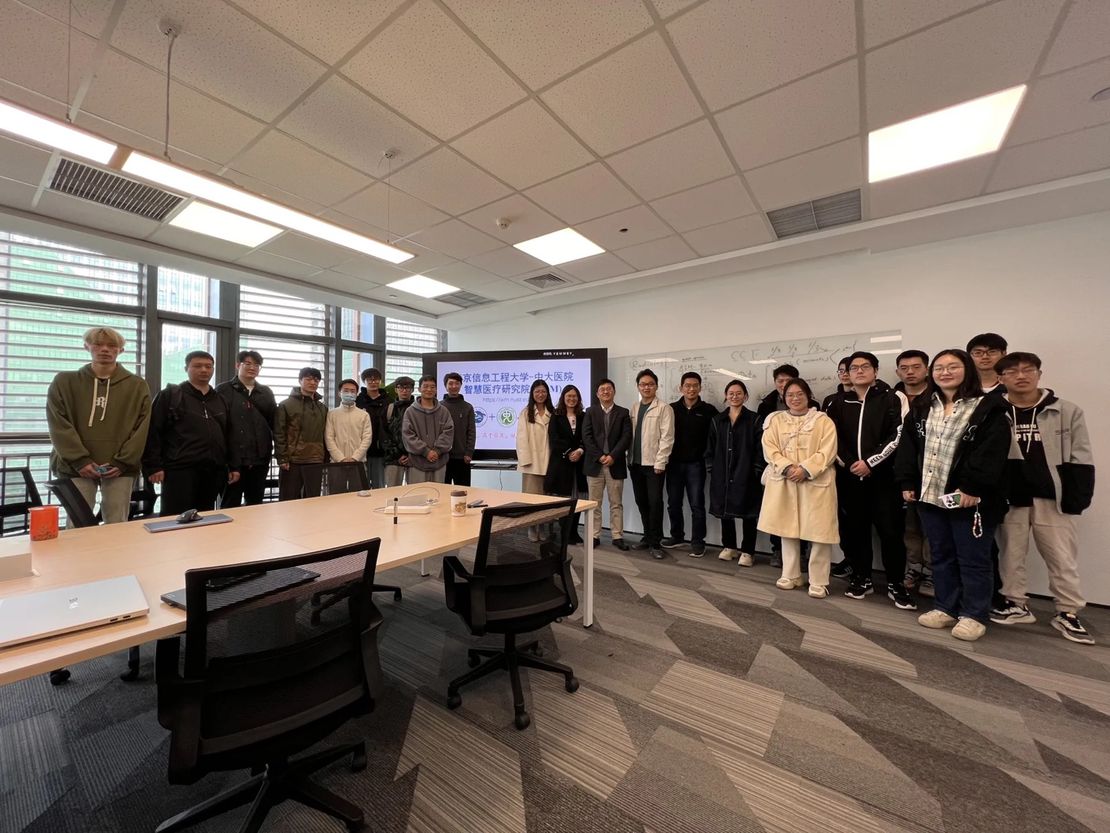
The School of Artificial Intelligence organizes students to visit the Smart Medical Research Institute
In order to help students gain an in-depth understanding of the frontiers of scientific research and guide students to further clarify their goals and efforts in the university, on the morning of March 16, the School of Artificial Intelligence (College of Future Technology) organized some members of the smart medical community and student representatives of all grades to go to the Jiangbei New District Huichuang Park Base of the Smart Medical Research Institute of Nanjing University of Information Science & Technology to carry out visits and face-to-face exchanges between teachers and students.
Read More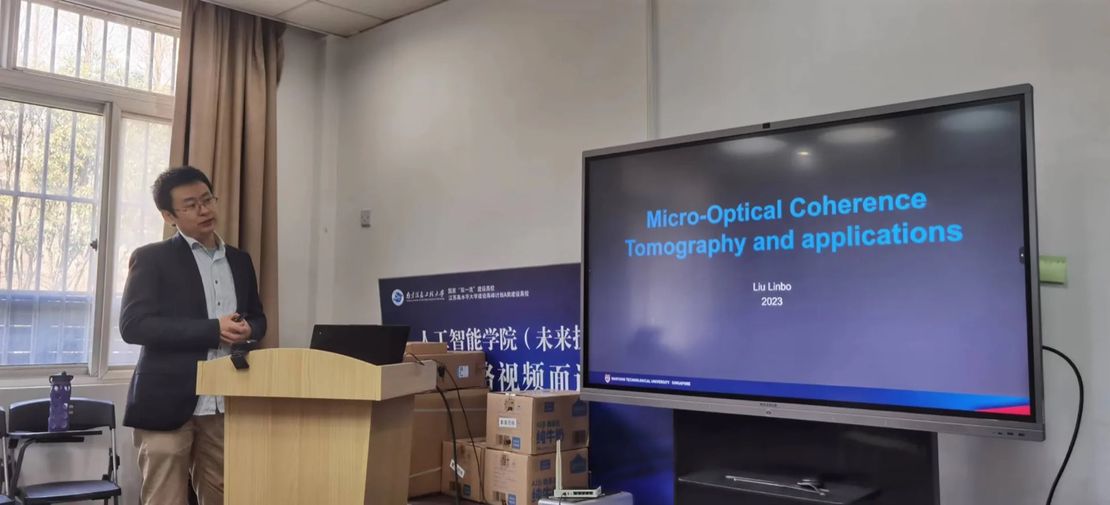
Professor Liu Linbo from Nanyang Technological University in Singapore was specially invited to the school to give an academic report.
On the afternoon of March 3, Nanjing University of Information Science & Technology - Zhongda Hospital Smart Medical Research Institute invited Professor Liu Linbo from Nanyang Technological University in Singapore to give an academic report. The report was titled “Micrometer Resolution OCT Technology and Application”. Professor Xu Jun, deputy dean of the School of Artificial Intelligence (College of Future Technology) and executive director of the Smart Medical Research Institute of our school, presided over this report meeting. The meeting was a combination of offline + online (Tencent Conference and Koxiang Academic). There were more than 40 teachers and students participating in the meeting.
Read More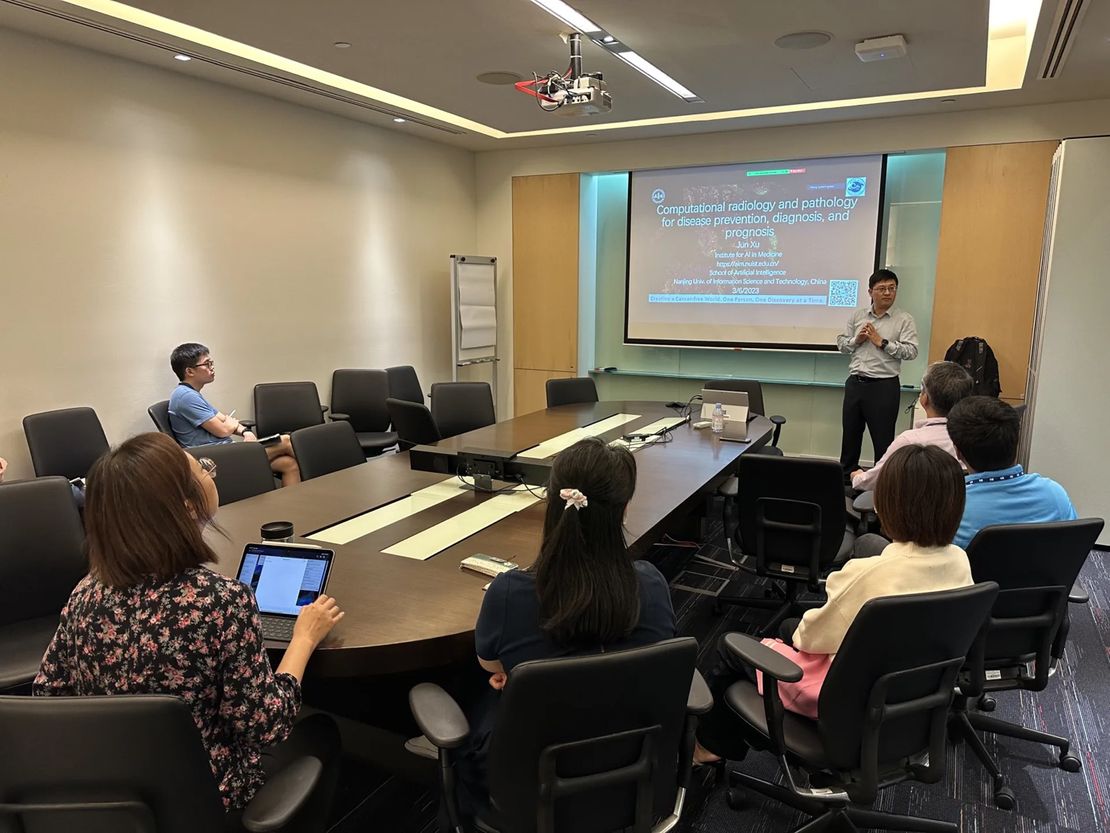
Professor Xu Jun visited the Singapore Science and Technology Agency and gave an academic report
On the afternoon of March 6, 2023, at the invitation of Professor Yu Weimiao from the Institute of Bioinformatics of the Singapore Institute of Technology, Professor Xu Jun, Executive Director of the Smart Medical Research Institute, visited the Institute of Bioinformatics and was invited to give an academic report titled “Computational radiology and pathology for disease prevention, diagnosis, and prognosis” at the Institute of Bioinformatics.
Read More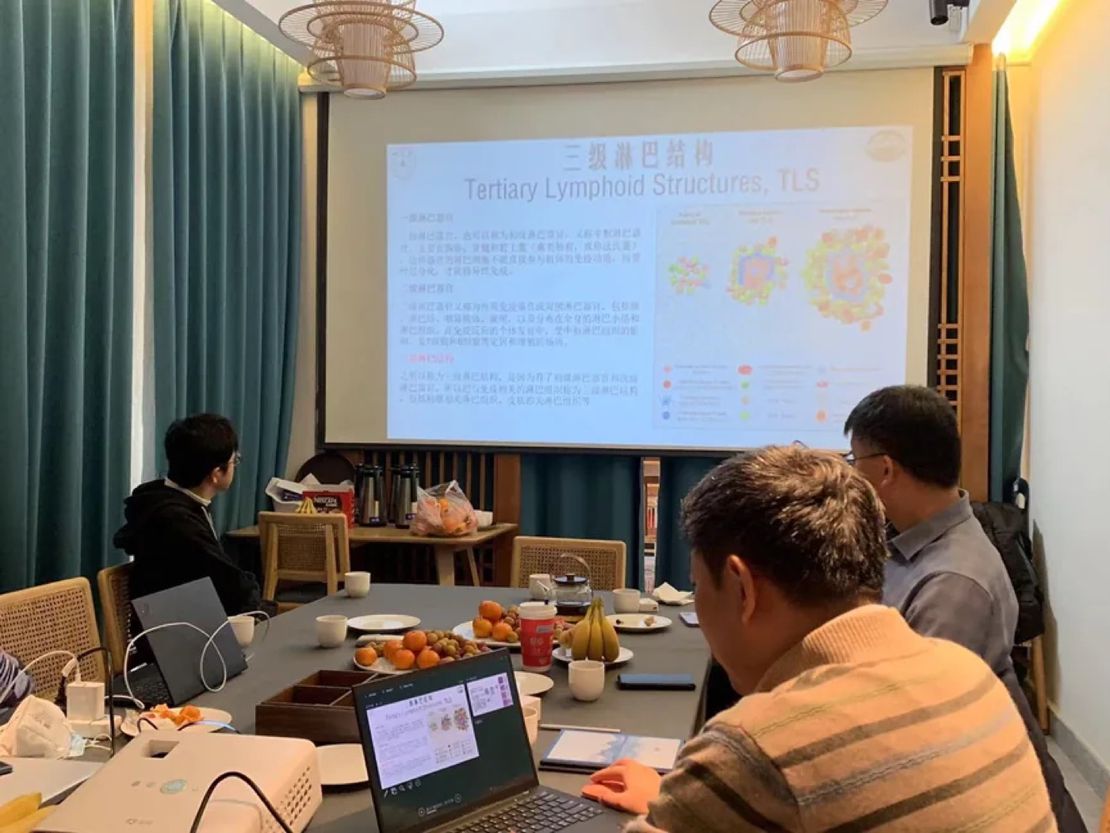
The institute and the Pathology Department of Gulou Hospital held a pathological artificial intelligence academic salon event
At the beginning of the new year in 2023, the Smart Medical Research Institute and the Pathology Department of Nanjing Drum Tower Hospital jointly organized the New Year Pathology Artificial Intelligence Academic Salon. The Smart Medical Research Institute and the Pathology Department of Gulou Hospital have carried out scientific research cooperation for many years. Currently, they have jointly published relevant papers and jointly applied for a number of scientific research projects on the survival prediction of patients with intrahepatic cholangiocarcinoma. This academic salon aims to focus on areas of interest to both parties and further strengthen in-depth cooperation and exchanges between medical and engineering experts from the two units.
Read More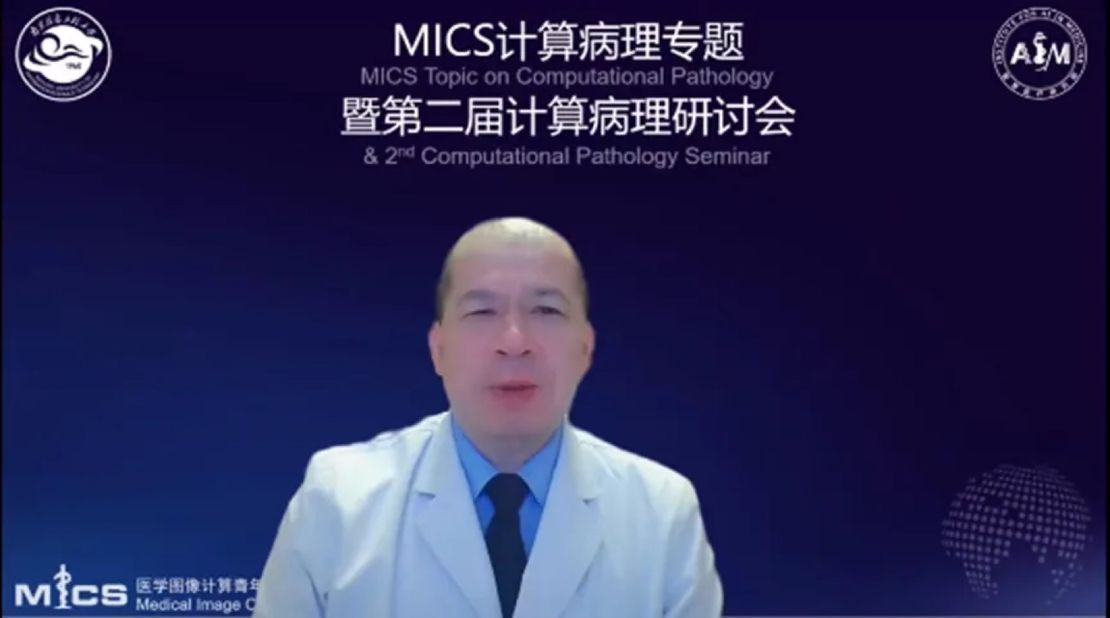
MICS Computational Pathology Special Topic and the Second Computational Pathology Symposium were successfully held
On the morning of January 14, 2023, the MICS Computational Pathology Special Topic and the Second Computational Pathology Symposium were held online through Tencent Conference. The meeting discussed the future development direction and latest technological progress of computational pathology in the form of roundtable discussions and invited reports. This meeting was particularly honored to invite Professor Liang Zhiyong, chairman of the Pathology Branch of the Chinese Medical Association, Professor Liu Dongge, the incoming chairman, Professor Bu Hong, the former chairman, as well as senior experts in the field of pathology such as Professor Liang Li and Professor Song Zhigang to give speeches and roundtable discussions. This meeting received the guidance of the three previous chairmen of the Pathology Branch of the Chinese Medical Association, which reflects the great importance that the Pathology Branch of the Chinese Medical Association attaches to the development of the field of computational pathology in my country. Topics discussed at the roundtable mainly include: the construction of pathology-specific disease databases, the advancement of digital pathology and computational pathology industry standards and expert consensus, and the application and implementation of computational pathology and digital pathology, etc. These topics have an important leading role in the future development of computational pathology in my country.
Read More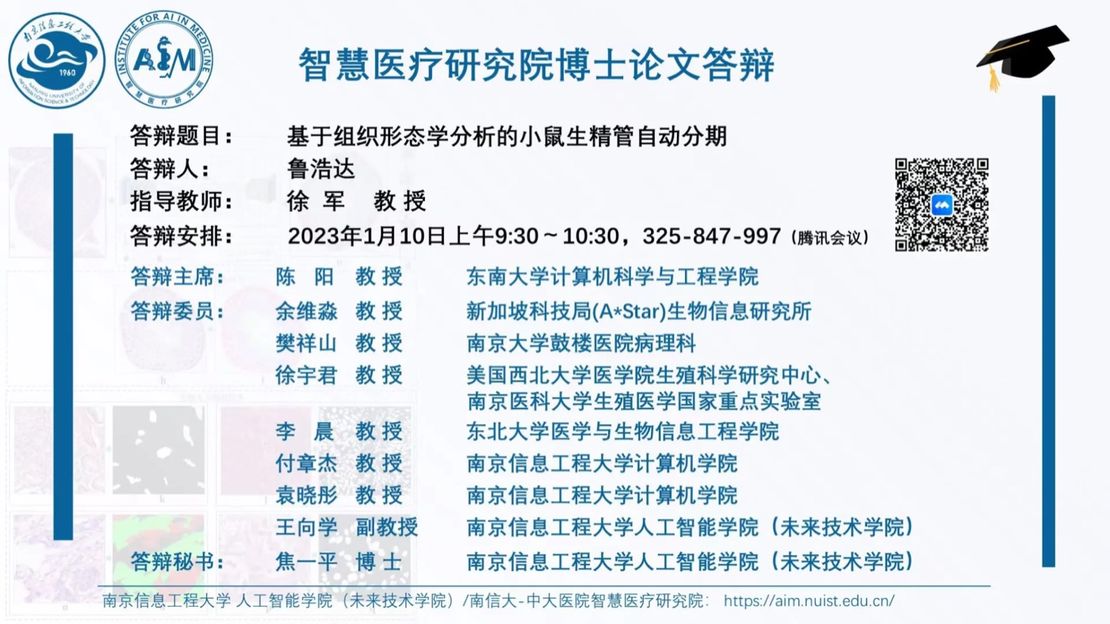
Congratulations to Lu Haoda for successfully passing the defense of his doctoral thesis
On the morning of January 10, 2023, Lu Haoda from the Smart Medical Research Institute successfully passed the defense of his doctoral thesis entitled “Automatic staging of mouse seminiferous ducts based on histomorphological analysis”. Members of the defense committee include Professor Chen Yang from the School of Computer Science and Engineering of Southeast University, Professor from the Singapore Science and Technology Agency (A*Star) ) Professor Yu Weimiao from the Institute of Bioinformatics, Professor Fan Xiangshan from the Pathology Department of Nanjing University Drum Tower Hospital, Professor Xu Yujun from the Reproductive Science Research Center of Northwestern University School of Medicine and the State Key Laboratory of Reproductive Medicine at Nanjing Medical University, Professor Li Chen from the School of Medicine and Bioinformatics Engineering at Northeastern University, Professor Fu Zhangjie and Professor Yuan Xiaotong from the School of Computer Science at Nanjing University of Information Science & Technology, and Associate Professor Wang Xiangxue from the School of Artificial Intelligence (School of Future Technology) at Nanjing University of Information Science & Technology. Professor Chen Yang served as the defense chair. Teacher Jiao Yiping is the defense secretary. The backgrounds of the defense committee members span across multiple disciplines such as clinical medicine, reproductive medicine, biomedicine, computer science, and artificial intelligence. The members come from three countries: China, the United States, and Singapore. The completion of Lu Haoda’s doctoral thesis defense marks that the Smart Medical Research Institute’s research in the field of reproductive medicine has entered a new stage.
Read More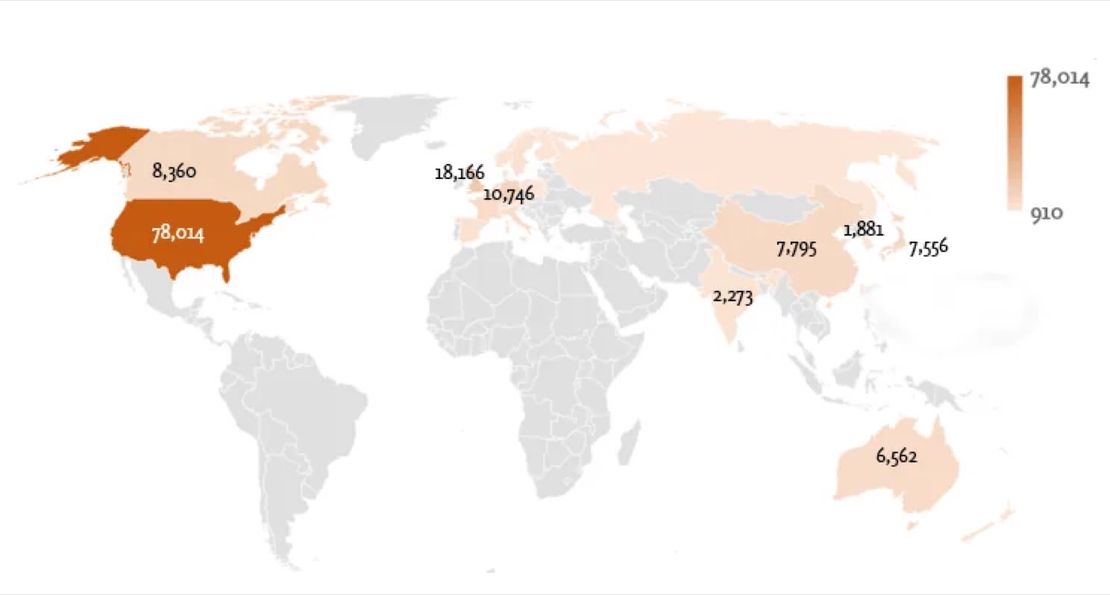
Professor Xu Jun was selected into the top 2% of the world's top scientists in artificial intelligence and image processing
On October 10, 2022, the list of the top 2% of the world’s top scientists released by the team of Professor John P.A. Ioannidis of Stanford University was updated to the 2022 version. Professor Xu Jun, executive director of the Smart Medical Research Institute, was selected into the list of the top 2% of the world’s top scientists at Stanford University in the United States. The two selected research fields are: 1. Artificial Intelligence & Image Processing, 2. Nuclear Medicine & Medical Imaging.
Read More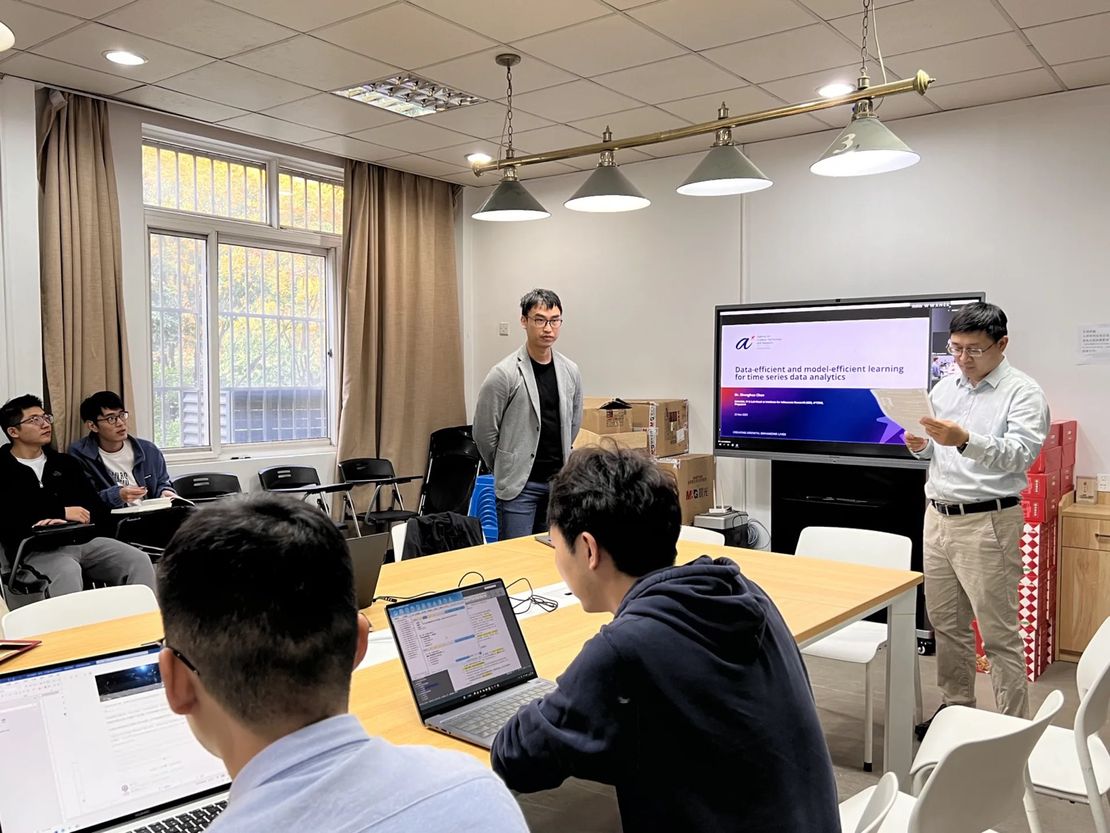
The institute specially invited Singapore A*STAR researcher Chen Zhenghua to come to the school to give an academic report
On the afternoon of November 25, Nanjing University of Information Science & Technology - Zhongda Hospital Smart Medical Research Institute invited researcher Chen Zhenghua from Singapore A*STAR to the school to give an academic report. The theme of the report was “Data-Efficient and Model-Efficient Learning for Time-series Data Analytics”. Professor Xu Jun, deputy dean of the School of Artificial Intelligence (College of Future Technology) and executive director of the Smart Medical Research Institute of our school, presided over this report meeting. There were more than 30 teachers, graduate students and undergraduates participating offline and online.
Read More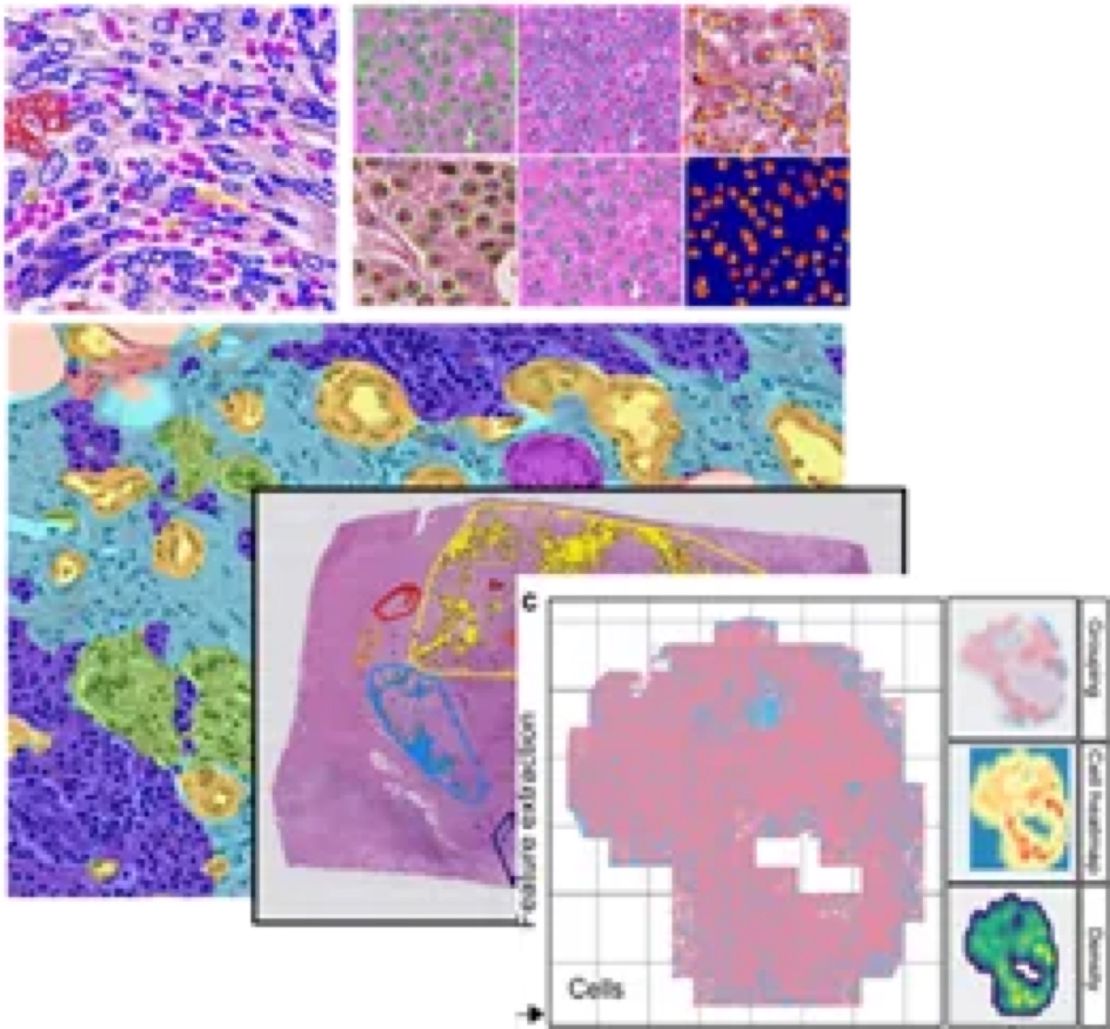
Key laboratories are looking for long-term talents at home and abroad to recruit talents from all over the world
Nanjing University of Information Science & Technology Basic Overview Nanjing University of Information Science & Technology is a national “double first-class” construction university and a Category A construction university in the Jiangsu High-level University Construction Peak Plan. The school has distinctive educational characteristics, and atmospheric science has been selected as a national “world-class discipline” construction discipline. Meteorology is a national key discipline, and nine disciplines including Earth Science, Engineering, Computer Science, Environmental Science and Ecology, Chemistry, Agricultural Science, Materials Science, General Social Sciences, and Mathematics are among the top 1% of ESI disciplines in the world, of which Earth Science and Computer Science are in the top 1‰. It has 11 first-level discipline doctoral degree authorization points in atmospheric science, environmental science and engineering, information and communication engineering, management science and engineering, mathematics, history of science and technology, computer science and technology, remote sensing science and technology, optical engineering, cyberspace security, and ecology, 3 professional doctoral degree authorization points in electronic information, resources and environment, and meteorology, 28 first-level discipline master’s degree authorization points, and 26 professional master’s degree authorization points. It has 6 postdoctoral research stations in atmospheric science, mathematics, environmental science and engineering, management science and engineering, computer science and technology, and information and communication engineering. The 80 undergraduate majors (excluding majors) are distributed in 10 disciplines including science, engineering, liberal arts, management, economics, law, agriculture, art, education, and interdisciplinary fields.
Read More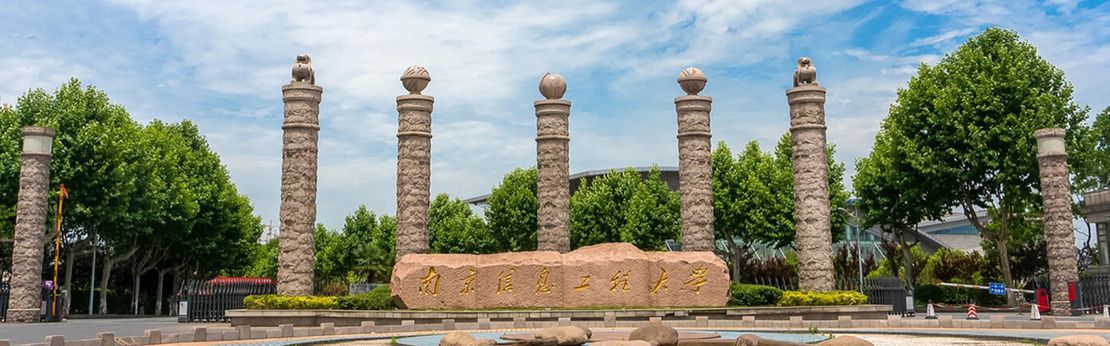
Video replay of the 9th Youth Symposium on Medical Image Computing (MICS2022)
The afternoon of August 11, 2022 Medical Image Analysis Tutorial Speakers: He Kelei (Nanjing University), Shen Dinggang (Shanghai University of Science and Technology) Title: Transformer and its application in medical images
Read More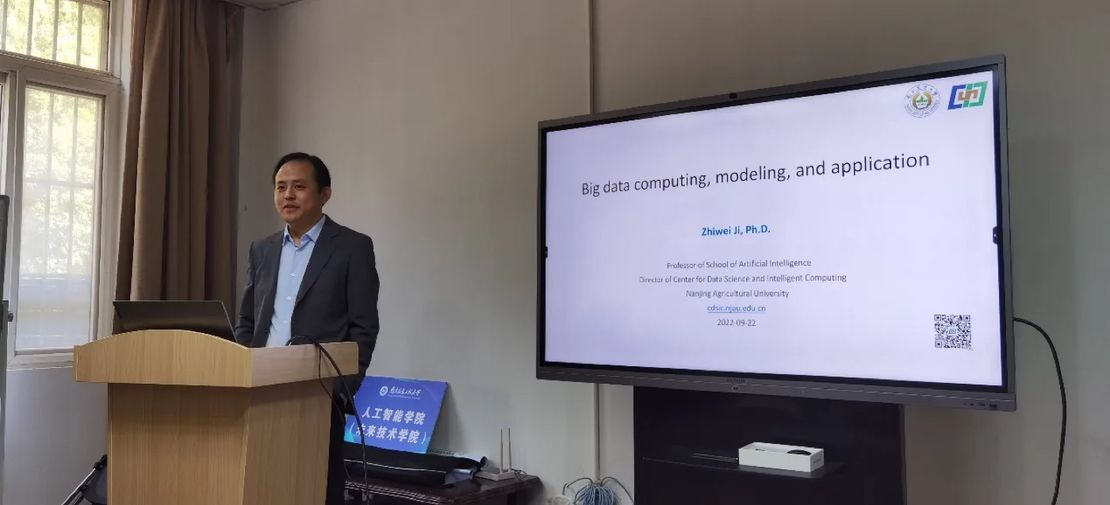
The institute specially invited Professor Ji Zhiwei from the School of Artificial Intelligence of Nanjing Agricultural University to give an academic report.
On the morning of September 22, Nanjing University of Information Science & Technology - Zhongda Hospital Smart Medical Research Institute invited Professor Ji Zhiwei from the School of Artificial Intelligence of Nanjing Agricultural University to give an academic report. The theme of the report was “Big data computing, modeling, and application.” Professor Xu Jun, deputy dean of the School of Artificial Intelligence (College of Future Technology) and executive director of the Smart Medical Research Institute of our school, presided over the report meeting. More than 30 people, including teachers and graduate students from the school, attended the meeting offline and online.
Read More