Research
Research
Explore IMIC's research areas, results, publications, projects, data, and software.
IMIC develops artificial intelligence and information-science methods for important problems in medicine and health. Our research is organised around five complementary areas, supported by clinical partnerships and cross-disciplinary training.
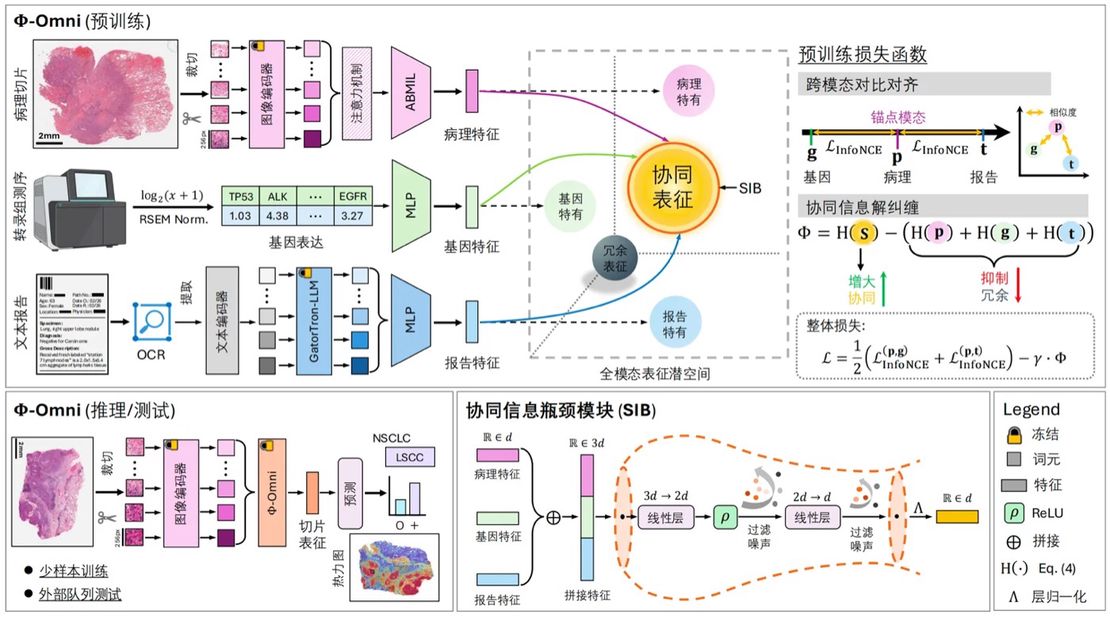
Many recent achievements of IMIC laboratory have been accepted by top conferences in the field.
From top journals to top conferences, the academic influence of Jiangsu University Key Laboratory of Intelligent Medical Image Computing (IMIC) is expanding in multiple dimensions. The IMIC Lab has been reporting frequently recently. A number of original results focusing on cutting-edge exploration have not only been steadily published in top journals, but have also successfully entered many top academic conferences. This article will introduce in detail the latest research progress of the IMIC laboratory at the top conference stage in the field.
Read More
2026
Hui Liu, Yanfeng Wu, Tingting Xue, Zhe Du, Jun Xu, and Tao Jiang, Machine learning-assisted parametric analysis and multi-criteria optimization of building performance: A case study on indoor environmental quality and energy efficiency, Energy Conversion and Management , vol. 349, 120825, 2026.[ Link to paper ]
Read More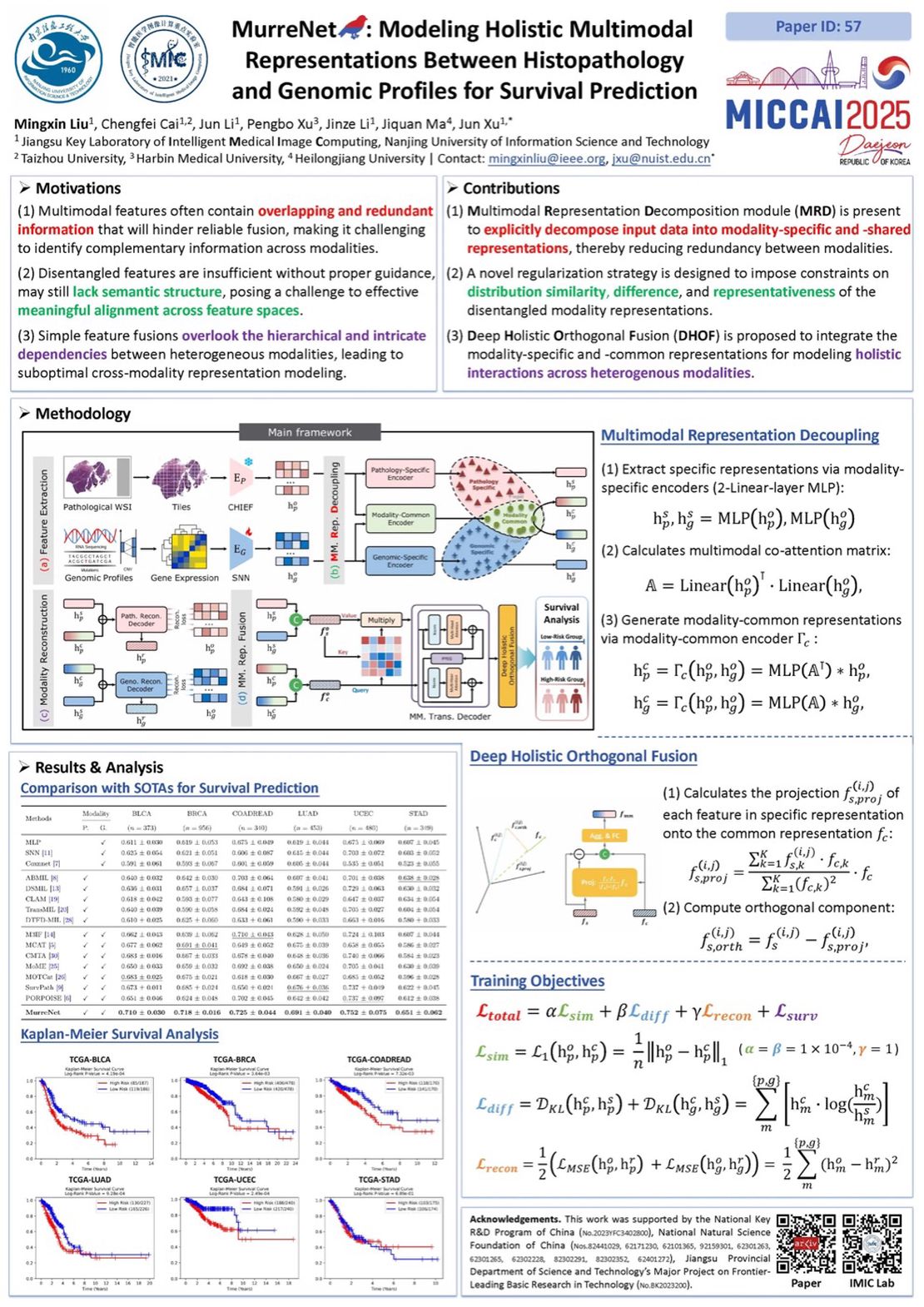
A holistic multimodal interaction model between histopathology and genomic profiles for patient survival prediction.
Abstract: Cancer survival prediction requires the integration of pathology whole-slice images (WSI) and genomic atlases, which is a challenging task due to the heterogeneity of the model itself and the complexity of modeling inter- and intra-modality interactions. Current methods usually adopt simple fusion strategies for multimodal feature integration, which cannot fully capture modality-specific and modality-common interactions, resulting in limited understanding of multimodal correlations and poor prediction performance. To compensate for these limitations, this paper proposes a multimodal representation decoupling network (MurreNet) to advance cancer survival analysis. Specifically, we first propose a multimodal representation decomposition (MRD) module to explicitly decompose pairs of input data into modality-specific and modality-common representations, thereby reducing redundancy between modalities. Furthermore, we further refine and update the decoupled representation through a novel training regularization strategy that imposes constraints on the distribution similarity, dissimilarity, and representativeness of modal features. Finally, the enhanced multi-modal features are integrated into the joint representation through the proposed deep ensemble orthogonal fusion (DHOF) strategy. Extensive experiments based on six TCGA cancer cohorts show that our MurreNet achieves state-of-the-art (SOTA) performance in survival prediction. This work was accepted by MICCAI2025, the top international conference in the field of medical image computing.
Read More
2025
Yuan Li, Chenxi Huang , Bowen Zheng , Zhiyuan Zheng , Hongying Tang , Shenghong Ju , Jun Xu , Yuemei Luo , “ Retinopathy identification in optical coherence tomography images based on a novel class-aware contrastive learning approach, ” Knowledge-Based Systems, vol.310, p.112924, 2025 . [ Link to paper ]
Read More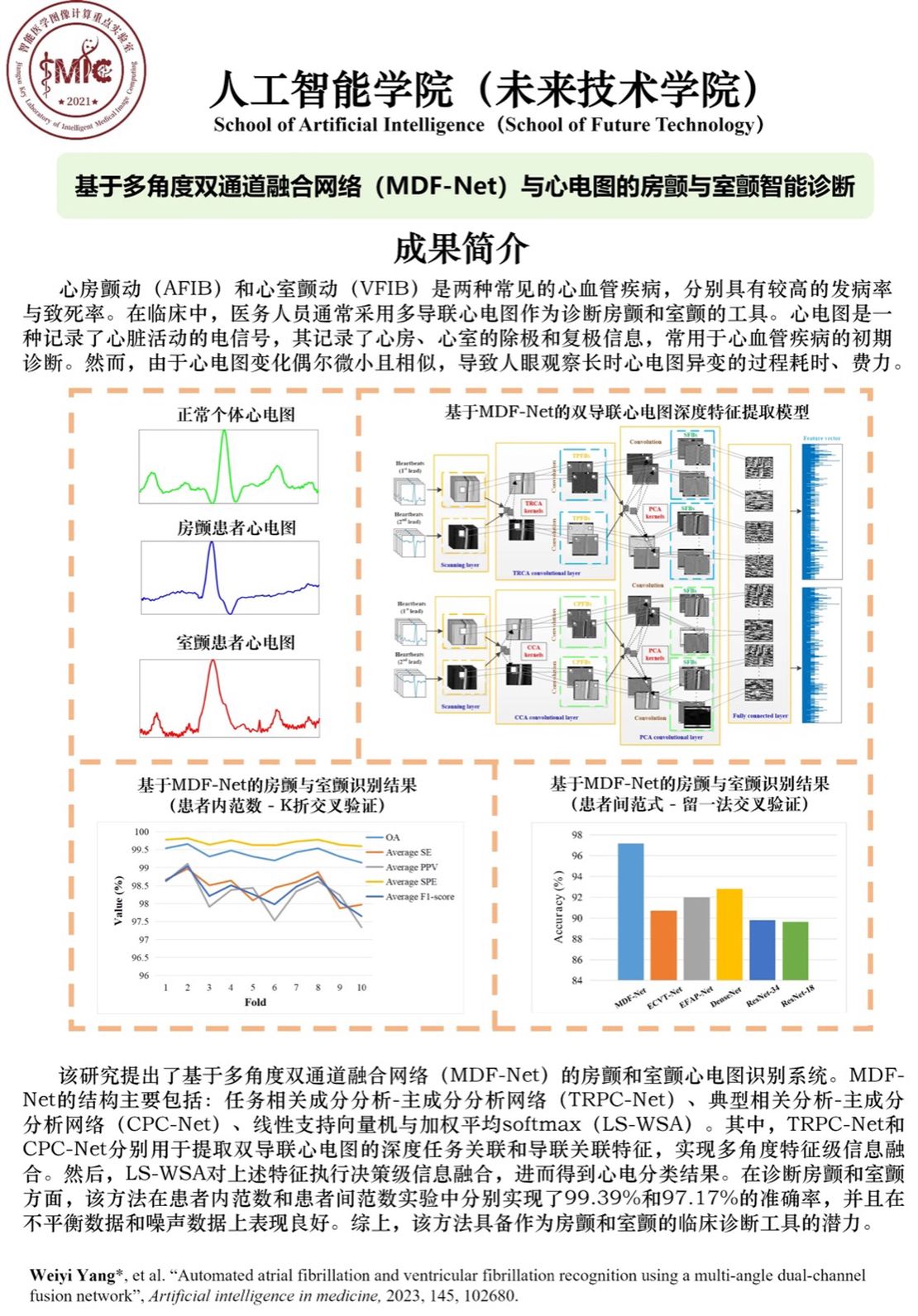
Diagnosis of atrial fibrillation and ventricular fibrillation based on multi-angle dual-channel fusion network and electrocardiogram
Translated from the original Chinese source.
Read More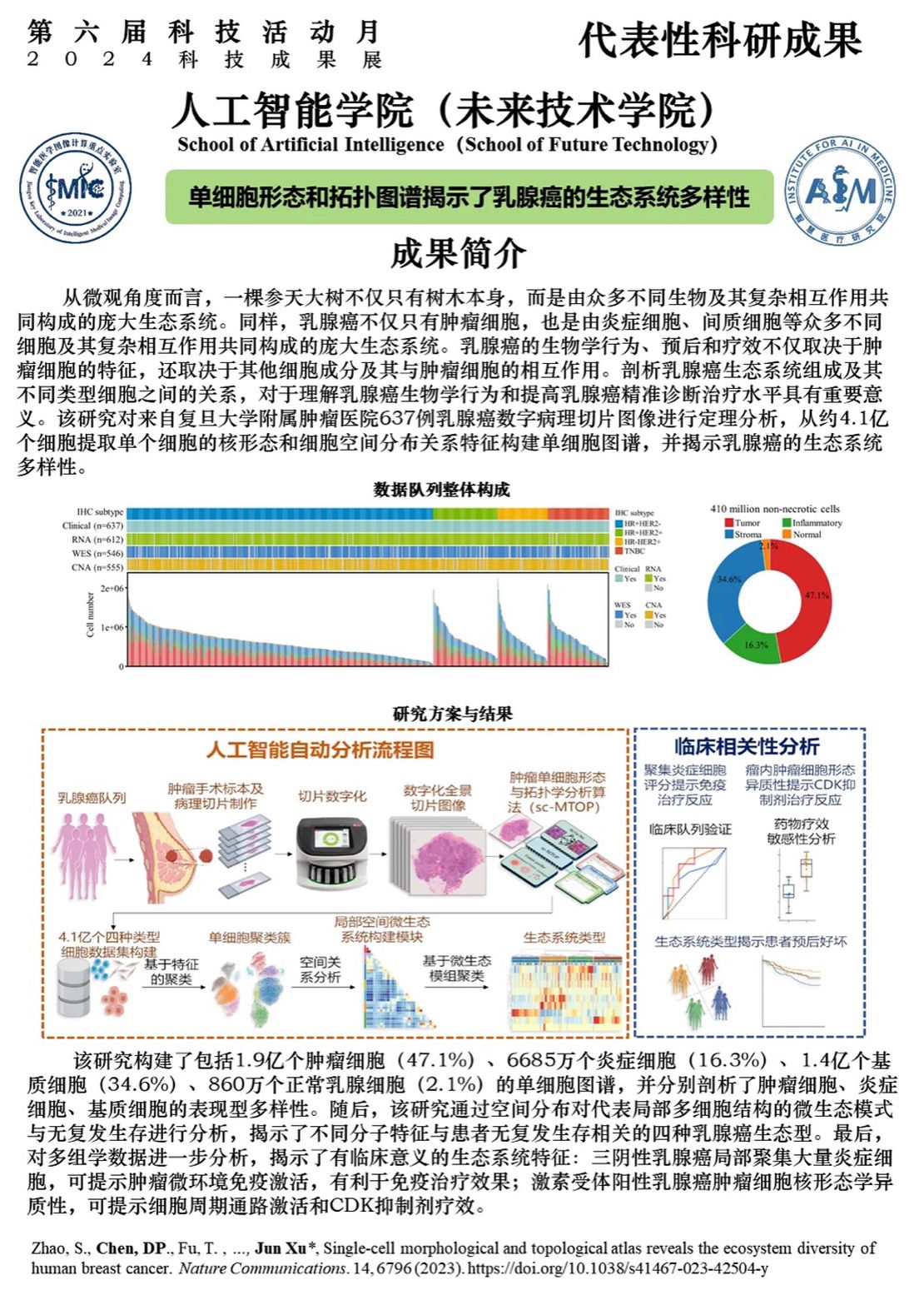
Single-cell morphology and topology maps reveal breast cancer ecosystem diversity
Translated from the original Chinese source.
Read More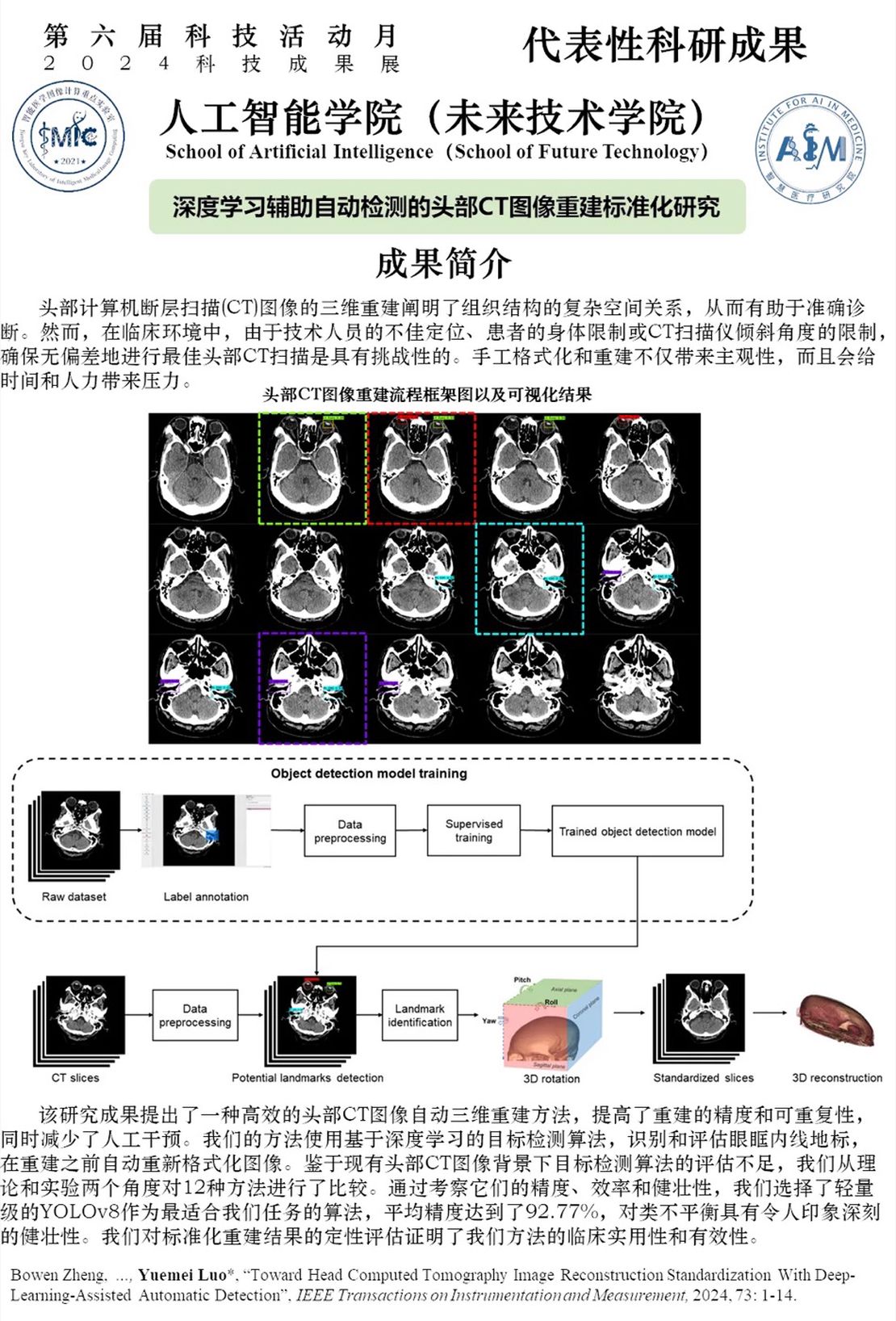
Research on standardization of head CT image reconstruction for deep learning-assisted automatic detection
Translated from the original Chinese source.
Read More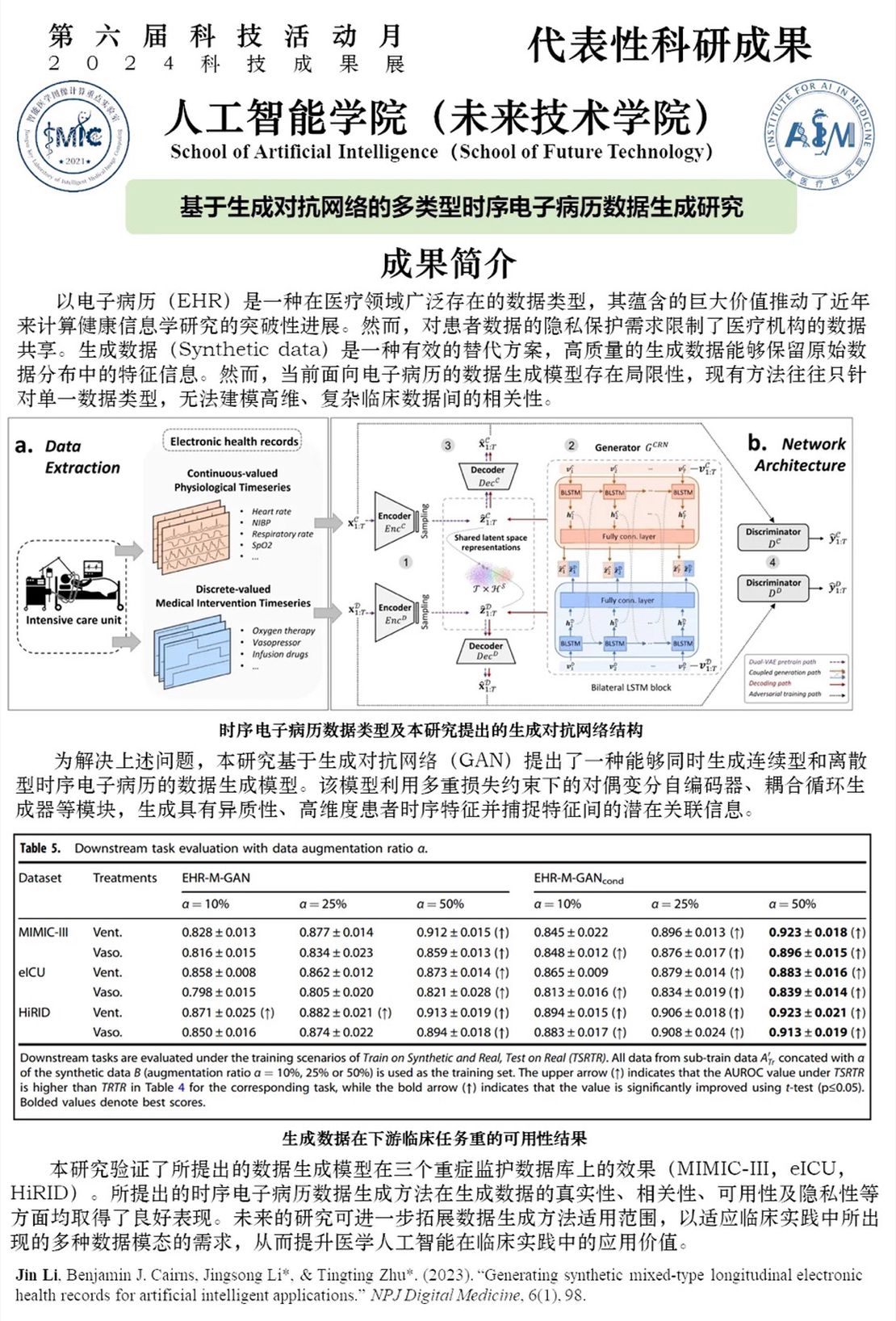
Research on generation of multi-type time series electronic medical record data based on generative adversarial network
Translated from the original Chinese source.
Read More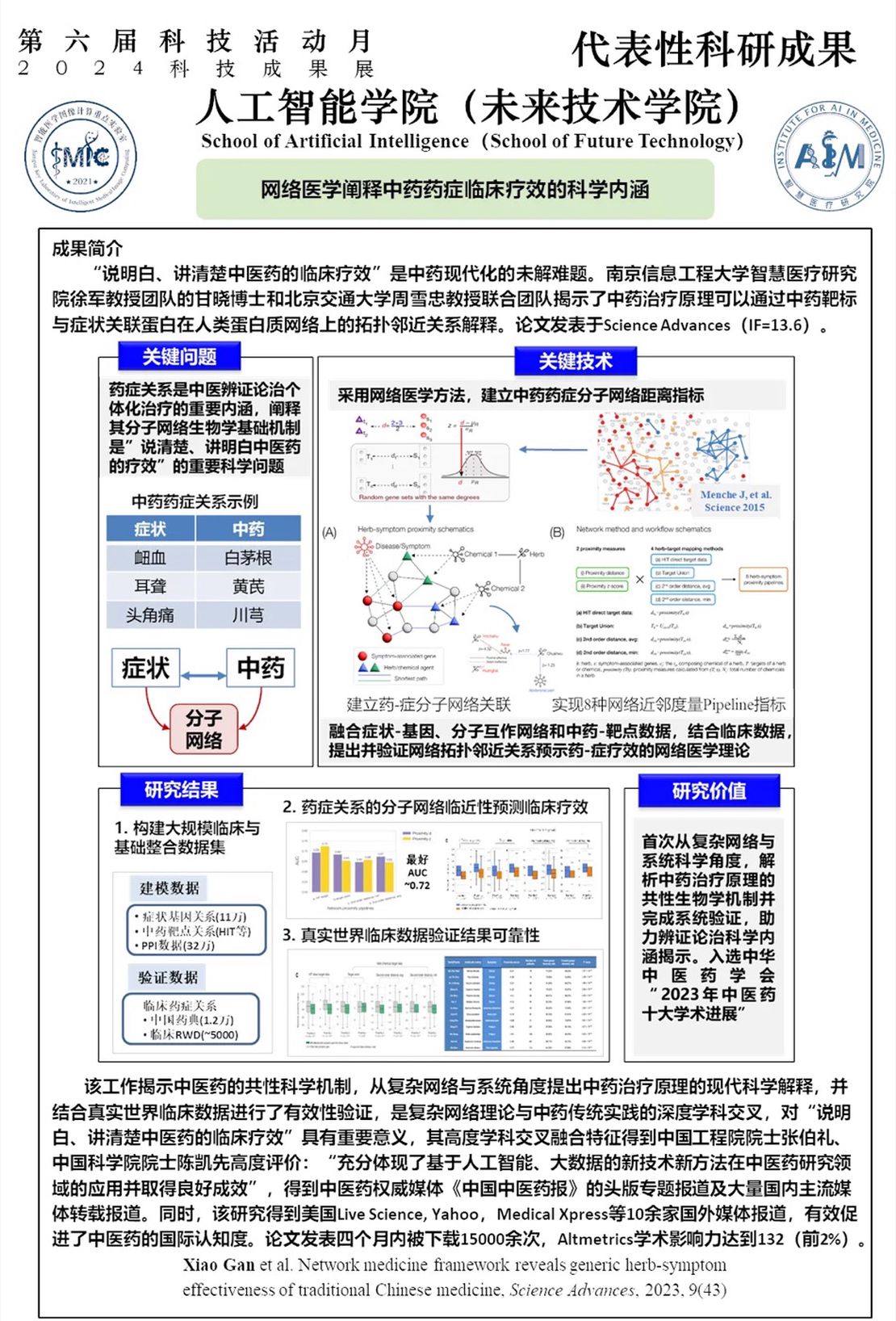
Network medicine explains the scientific connotation of clinical efficacy of traditional Chinese medicine
Translated from the original Chinese source.
Read More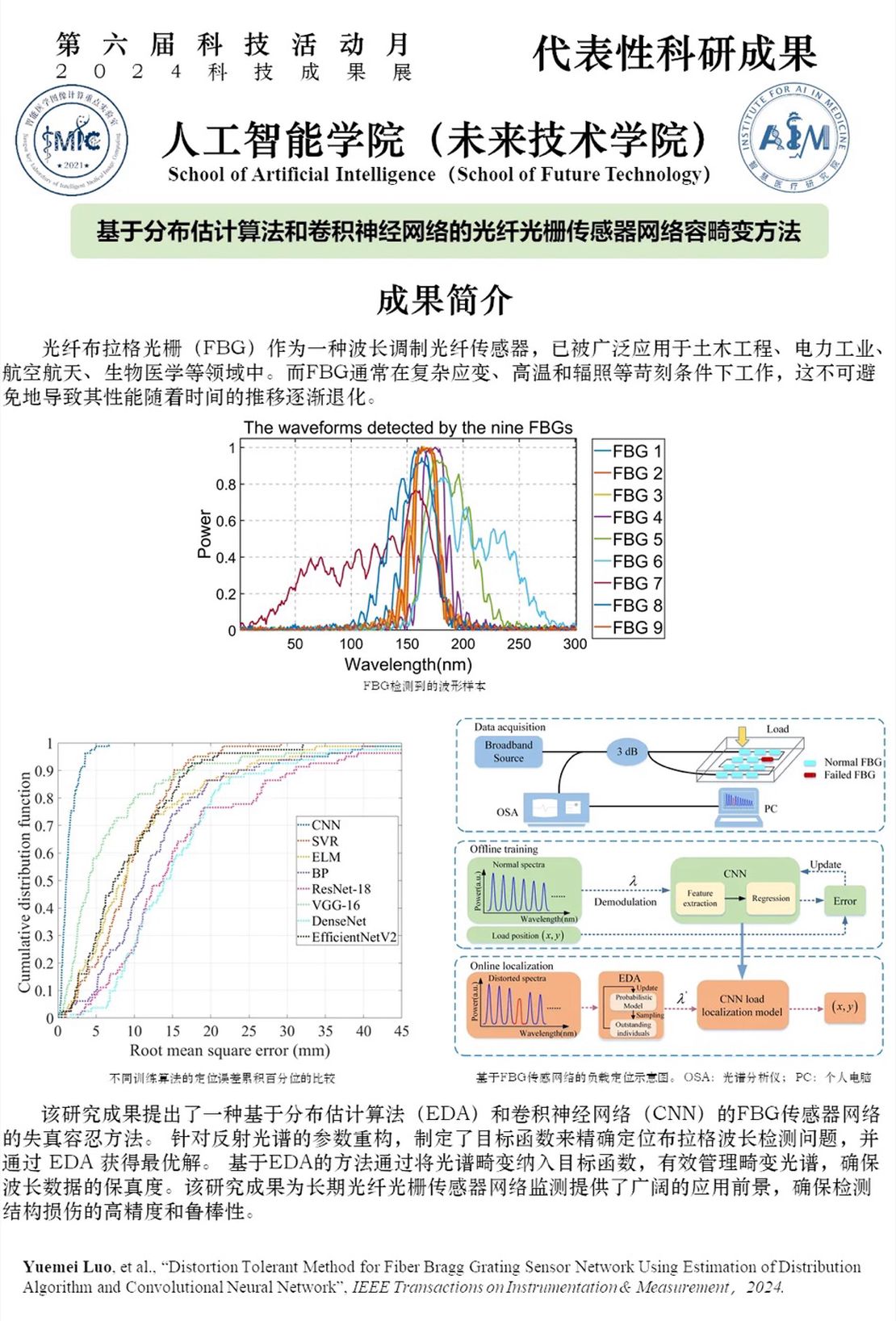
Distortion tolerance method of fiber grating sensor network based on distribution estimation algorithm and convolutional neural network
Translated from the original Chinese source.
Read More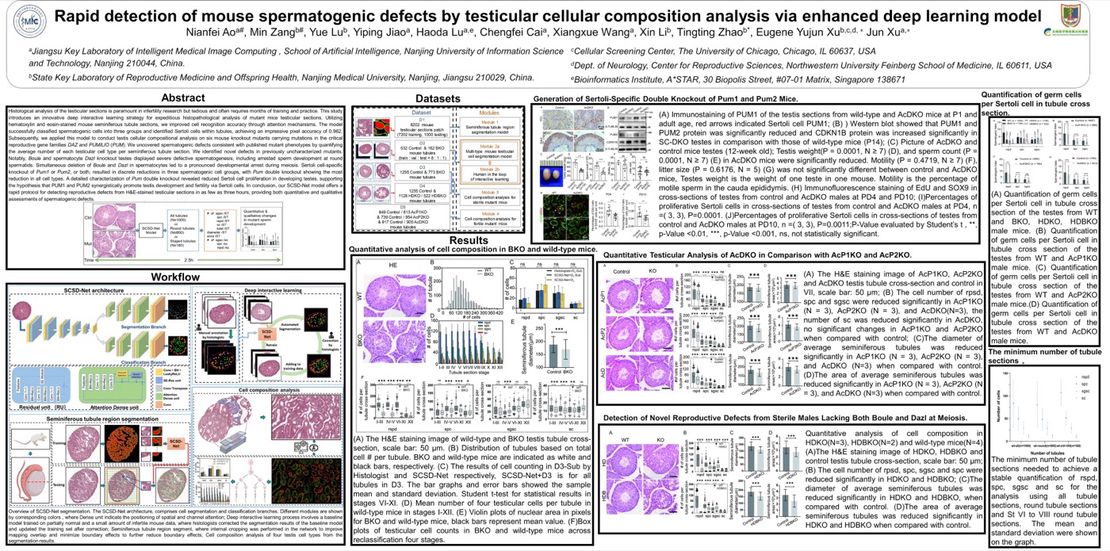
Analysis of testicular cell composition based on enhanced deep learning model to rapidly detect spermatogenic defects in mice
Professor Xu Jun’s team and Professor Xu Yujun’s team from the State Key Laboratory of Reproductive Medicine at the University of Chicago/Nanjing Medical University have pioneered the application of machine learning technology in the quantitative analysis of conventional H&E pathological sections of mouse testicles, and carried out automated staging and identification of spermatogenesis through quantitative analysis of histological sections of spermatogenesis. Recently, the collaborative team expanded this method to the rapid detection of spermatogenesis defects in male infertile mice. This collaborative work recently caused great repercussions at the 2024 Andrology Conference in the United States (see the picture below). At this meeting, participants from the field of reproductive medicine in the United States had extensive and in-depth interactions and exchanges with Professor Xu Yujun on issues related to the feasibility of using machine learning to identify mice containing fertility defect genes. This work was published in Andrology, the leading journal in the field of andrology.
Read More