Engineering Teacher
Browse IMIC engineering teacher profiles, updates, and resources.
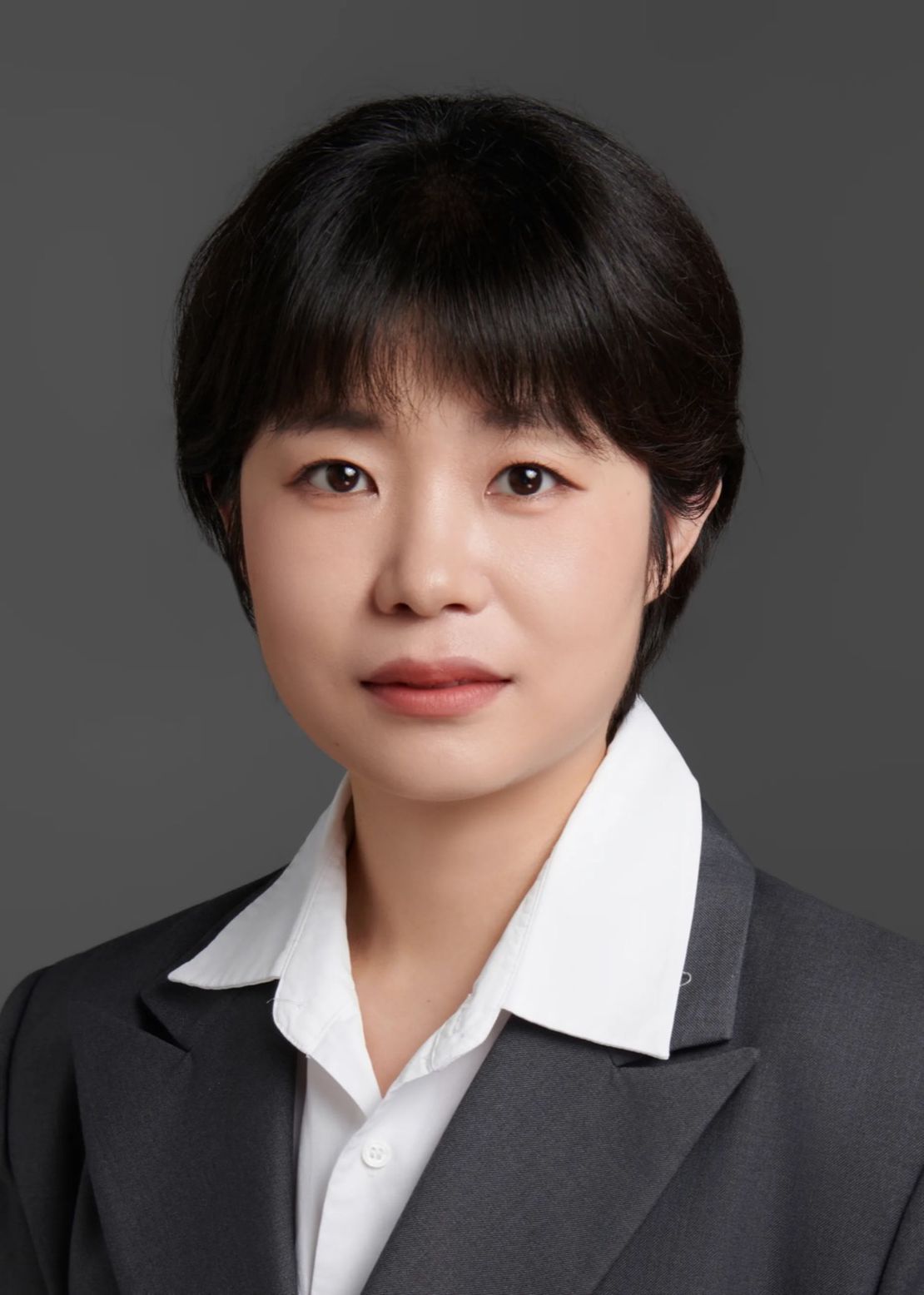
Li Qiong
Li Qiong, Ph.D., is a member of the Communist Party of China, a postdoctoral fellow at the School of Artificial Intelligence (College of Future Technology), Nanjing University of Information Science & Technology, and a core member of the Jiangsu University Key Laboratory of Intelligent Medical Image Computing and the Smart Medical Research Institute. He received a Bachelor of Engineering in Computer Science and Technology from Shandong Normal University in 2017, a Master of Engineering in Computer Application Technology from Guangxi University in 2020, and a Doctor of Engineering in Computer Application Technology from Beijing Normal University in 2026. During his PhD, he participated in a number of interdisciplinary research projects, focusing on computer vision, pattern recognition and other fields, and has rich experience in experimental design and algorithm development. Current research directions include: computer vision, medical artificial intelligence, and auxiliary diagnosis and treatment.
Read More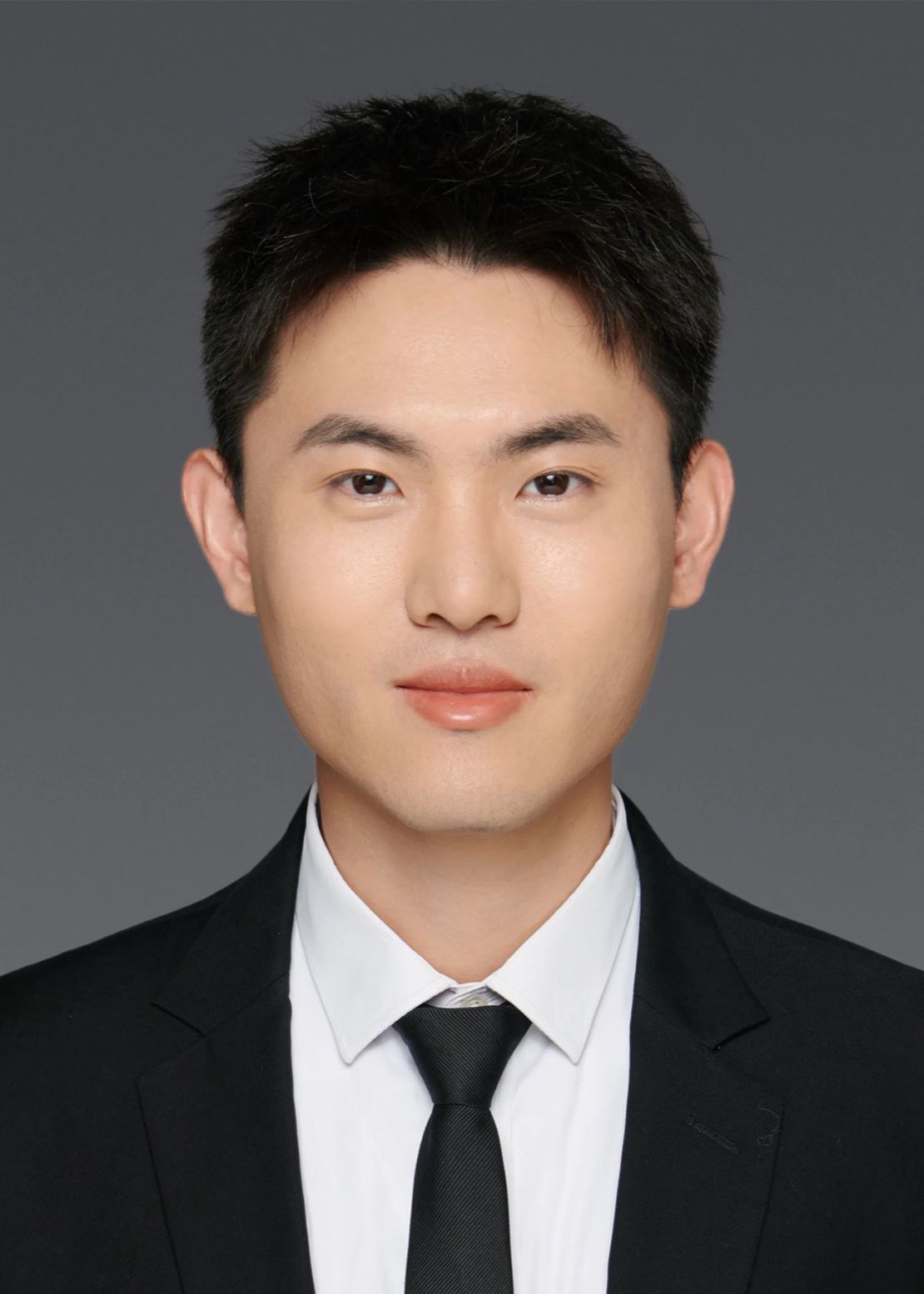
Sun Hui
Sun Hui, Ph.D., member of the Communist Party of China, is a postdoctoral fellow at the School of Artificial Intelligence (College of Future Technology), Nanjing University of Information Science & Technology, and a core member of the Jiangsu University Key Laboratory of Intelligent Medical Image Computing and the Smart Medical Research Institute. He received a bachelor’s degree in engineering from Sichuan Agricultural University in 2016, a master’s degree in control theory and control engineering from Northeastern University in 2020, and a doctorate in mechanical engineering from City University of Hong Kong in 2024. From November 2024 to October 2025, he served as a postdoctoral researcher in the School of Mechanical Engineering. During his doctoral and postdoctoral years, he led and participated in a number of interdisciplinary research projects, focusing on generative deep learning, wearable sensing technology, micro-nanoscale image super-resolution and other fields. He has rich experience in experimental design and algorithm development. Current research directions include: wearable health sensing sensors, deep learning and data enhancement, micro-nano image super-resolution reconstruction, and large language models and multi-modal intelligent systems.
Read More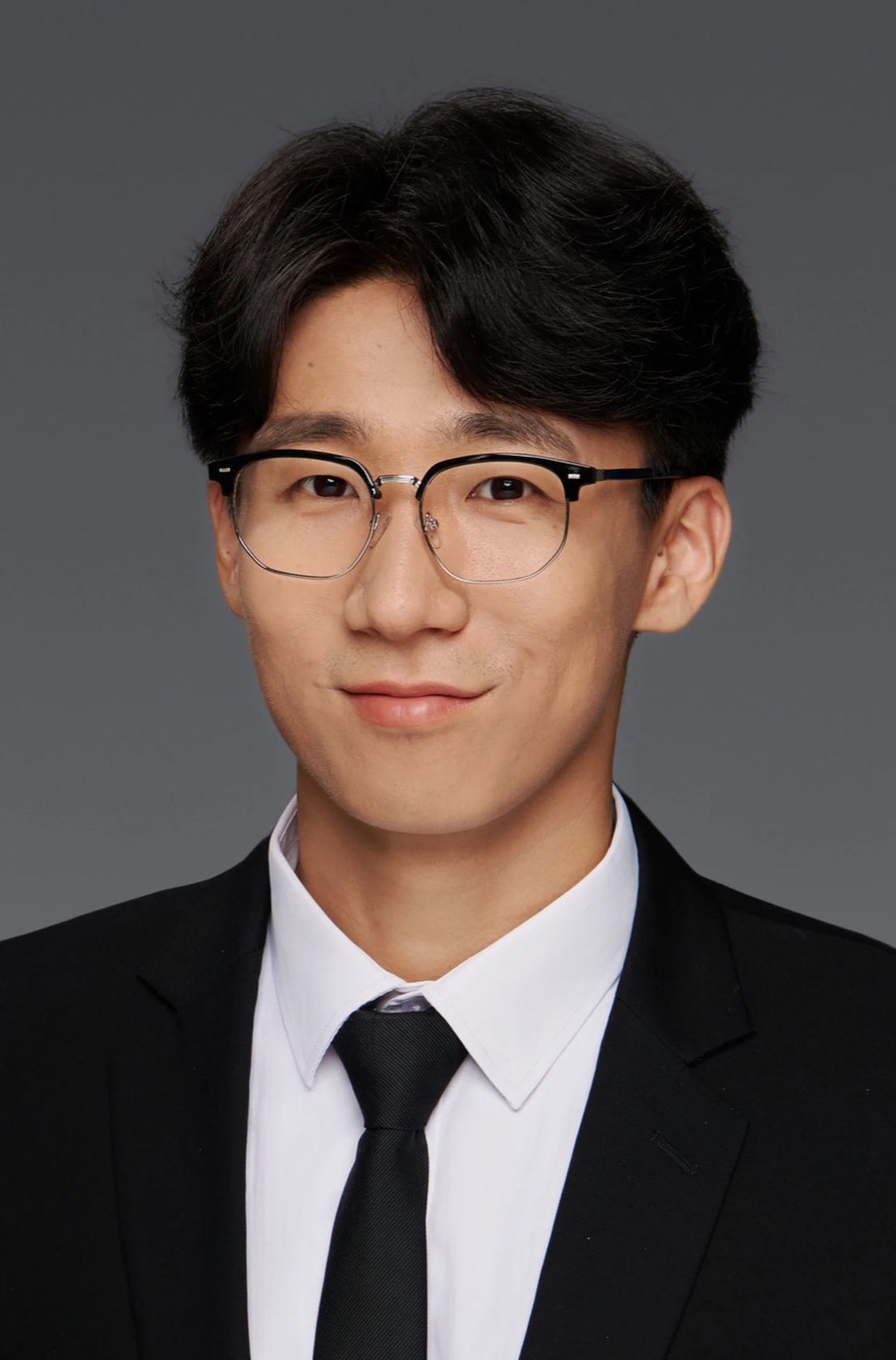
Sun Jiarui
Sun Jiarui, Ph.D., is a lecturer at the School of Artificial Intelligence (College of Future Technology), Nanjing University of Information Science & Technology, and a core member of the Jiangsu University Key Laboratory of Intelligent Medical Image Computing and the Smart Medical Research Institute. He received a bachelor’s degree in engineering from Zhengzhou University in 2019, and then obtained a doctorate in engineering from the School of Computer Science and Engineering of Southeast University in 2024. During his doctoral period, he participated in 2 projects including the National Natural Science Foundation of China, and participated in scientific research internships in scientific research institutions and enterprises such as Chinese Academy of Sciences-Shenzhen Institute of Advanced Technology and United Imaging Healthcare. His current main research directions are intelligent medical image analysis, multi-modal medical image processing, etc. In the past five years, he has published 6 papers as the first/co-author in top journals in the field such as IEEE TMI, MedIA and IEEE J-BHI, and has long served as a reviewer for important journals in the field.
Read More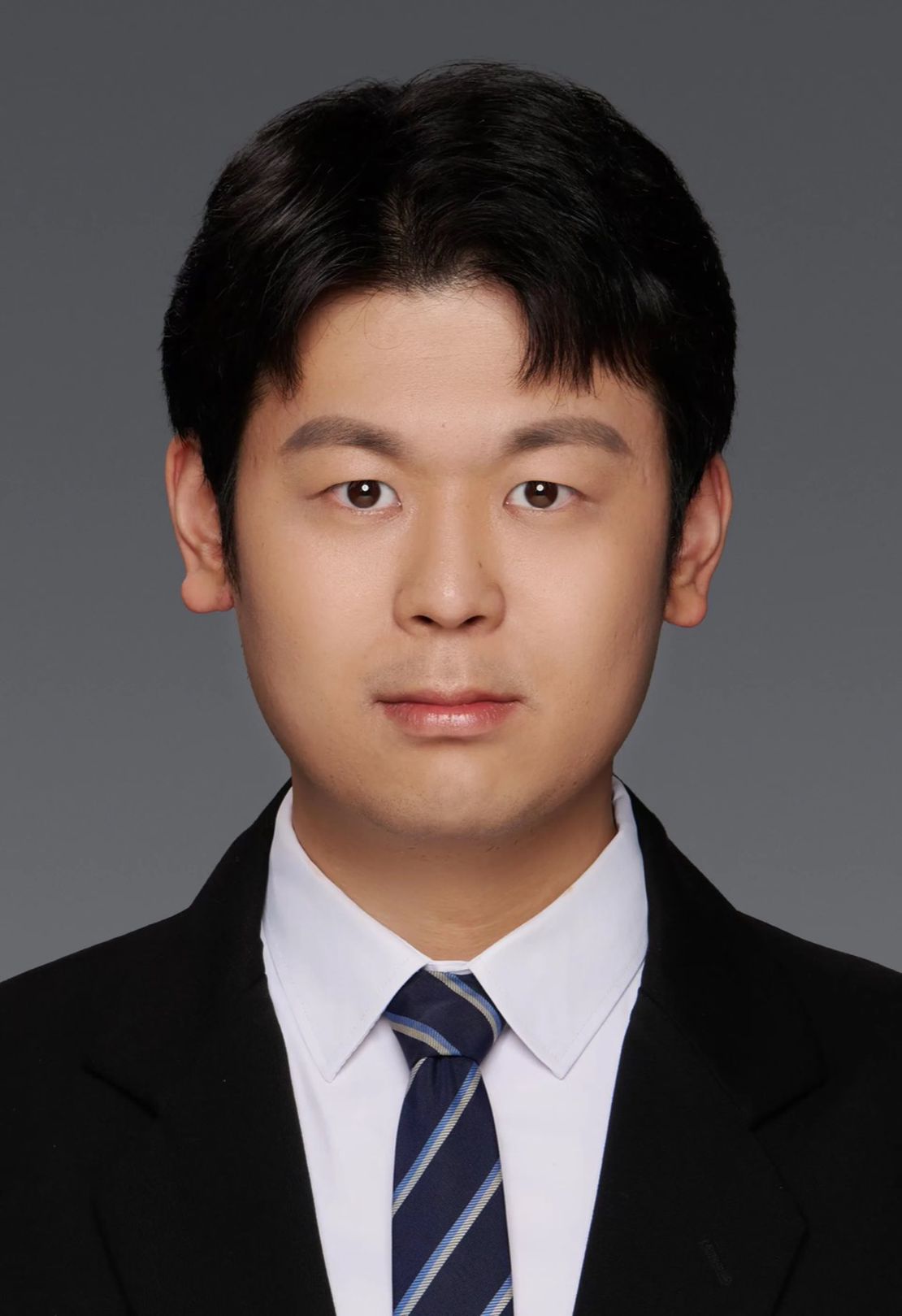
Yuan Mingzhi
Yuan Mingzhi, Ph.D., is a lecturer at the School of Artificial Intelligence (College of Future Technology), Nanjing University of Information Science & Technology, and a core member of the Jiangsu University Key Laboratory of Intelligent Medical Image Computing and the Smart Medical Research Institute. Obtained a bachelor’s degree in engineering (communication engineering) from Harbin Institute of Technology in June 2020, and a doctorate in engineering (biomedical engineering) from Fudan University in June 2025. The current main research directions are intelligent drug design, three-dimensional computer vision, etc. In the past three years, he has published 25 papers in top conferences and journals such as ICCV, ECCV, CVPR, ICRA, and BIB, including 17 first authors (including co-authors). He has long served as a reviewer for important journals in the field, TPAMI, TIP, RAL, and Automation Journal.
Read More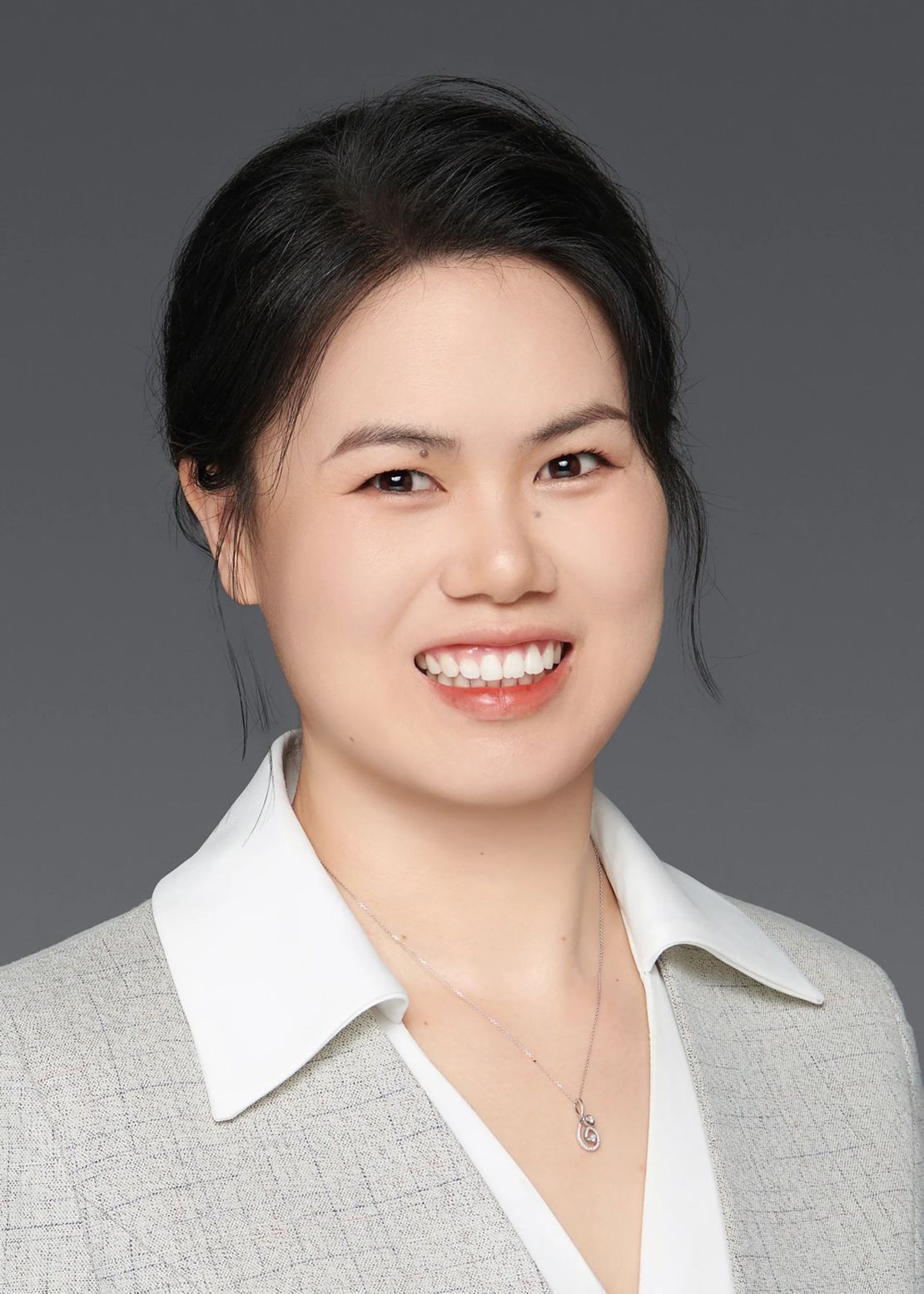
Luo Yuemei
Luo Yuemei is a professor at the School of Artificial Intelligence of Nanjing University of Information Science & Technology, a Longshan Scholar, a national-level overseas young talent, and a core member of the Jiangsu University Key Laboratory of Intelligent Medical Image Computing and the Intelligent Medical Research Institute. She graduated from the University of Electronic Science and Technology of China with a bachelor’s degree, and then received a doctorate from Nanyang Technological University in Singapore and conducted postdoctoral research. She has published more than 40 papers in recent years. He has been engaged in the research of medical high-resolution optical coherence tomography technology for a long time. His main research direction is micron resolution optical coherence tomography (micro-OCT) and its application in the fields of gastrointestinal tract, cardiovascular, skin, and ophthalmology. The specific directions include the promotion and application of endoscopic micro-OCT in gastrointestinal and cardiovascular imaging, the application and promotion of micro-OCT in ophthalmology and skin imaging, non-destructive optical detection, and medical image recognition based on deep learning. Google Scholar homepage: https://scholar.google.com.sg/citations?user=piaBPSEAAAAJ&hl=en. Students who are interested in the research direction of this research group are welcome to join. Contact information: luoyuemei@nuist.edu.cn.
Read More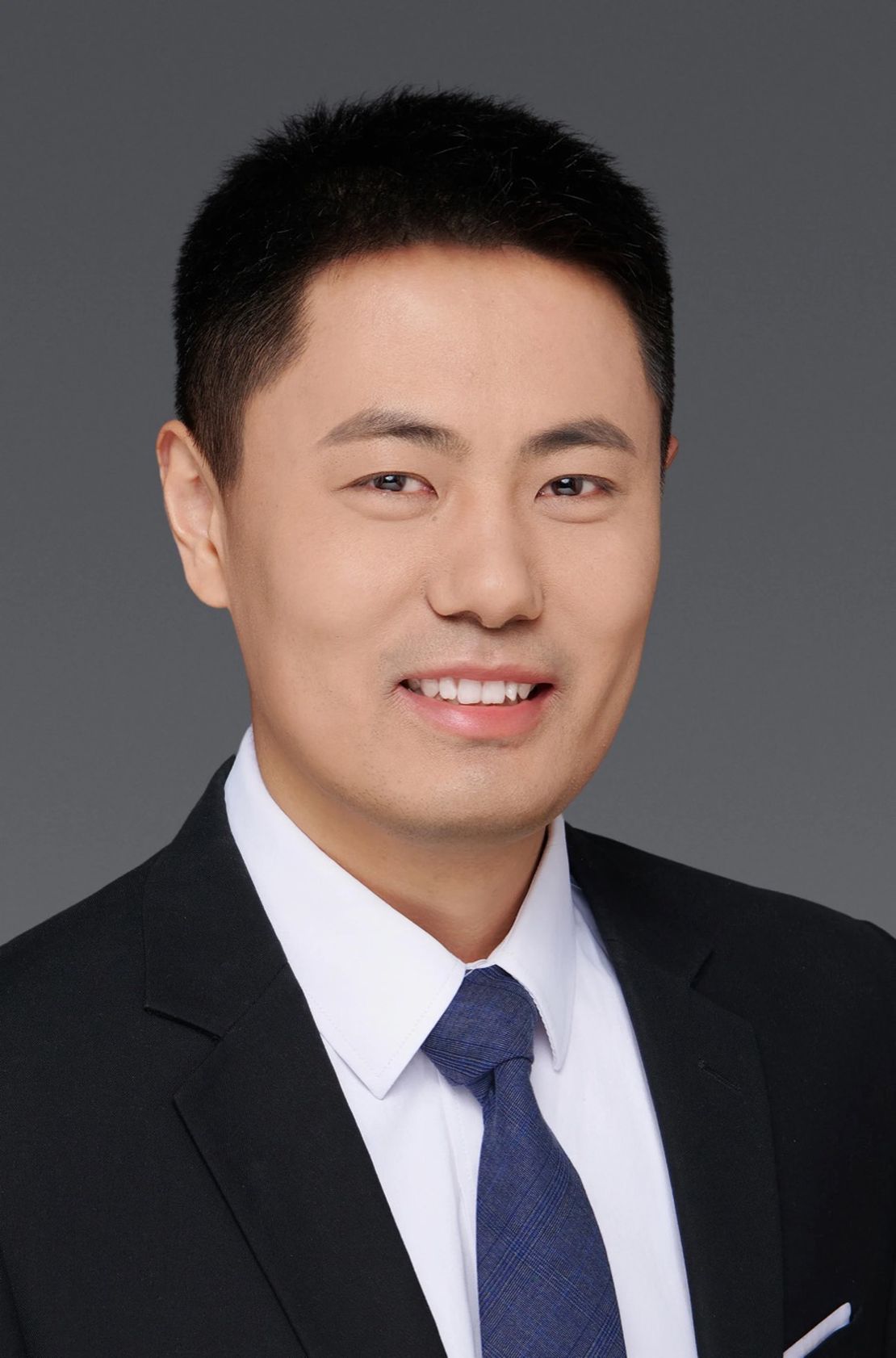
Hu Danqing
Hu Danqing, Ph.D., is a lecturer at the School of Artificial Intelligence (College of Future Technology), Nanjing University of Information Science & Technology, and a core member of the Jiangsu University Key Laboratory of Intelligent Medical Image Computing and the Smart Medical Research Institute. He graduated from Shandong University with an undergraduate degree in 2014, and graduated from Zhejiang University with a master’s degree and a doctoral degree in 2017 and 2022 respectively. Research directions include medical artificial intelligence, medical informatics, lung cancer full-process decision support, etc. Currently, he presides over the National Natural Science Youth Fund, and participates in the Beijing Natural Science Foundation Haidian Original Innovation Key Project, the “13th Five-Year Plan” National Key Research Special Precision Medicine Research Project, and the National Natural Science Foundation General Project. Published 17 papers in important medical information journal conferences such as IEEE JBHI, AIM, IJMI, IEEE EMBC, etc., and was the first author of 14 articles. He applied for 11 invention patents, 4 first inventor authorizations, and 4 authorized software copyrights. He won the CHIP2018 Best Paper Award from the Chinese Information Society of China. He has long served as a reviewer for important journals in the field IEEE JBHI, AIM, JMIR, CMPB, ESWA, IJMI, and JBI.
Read More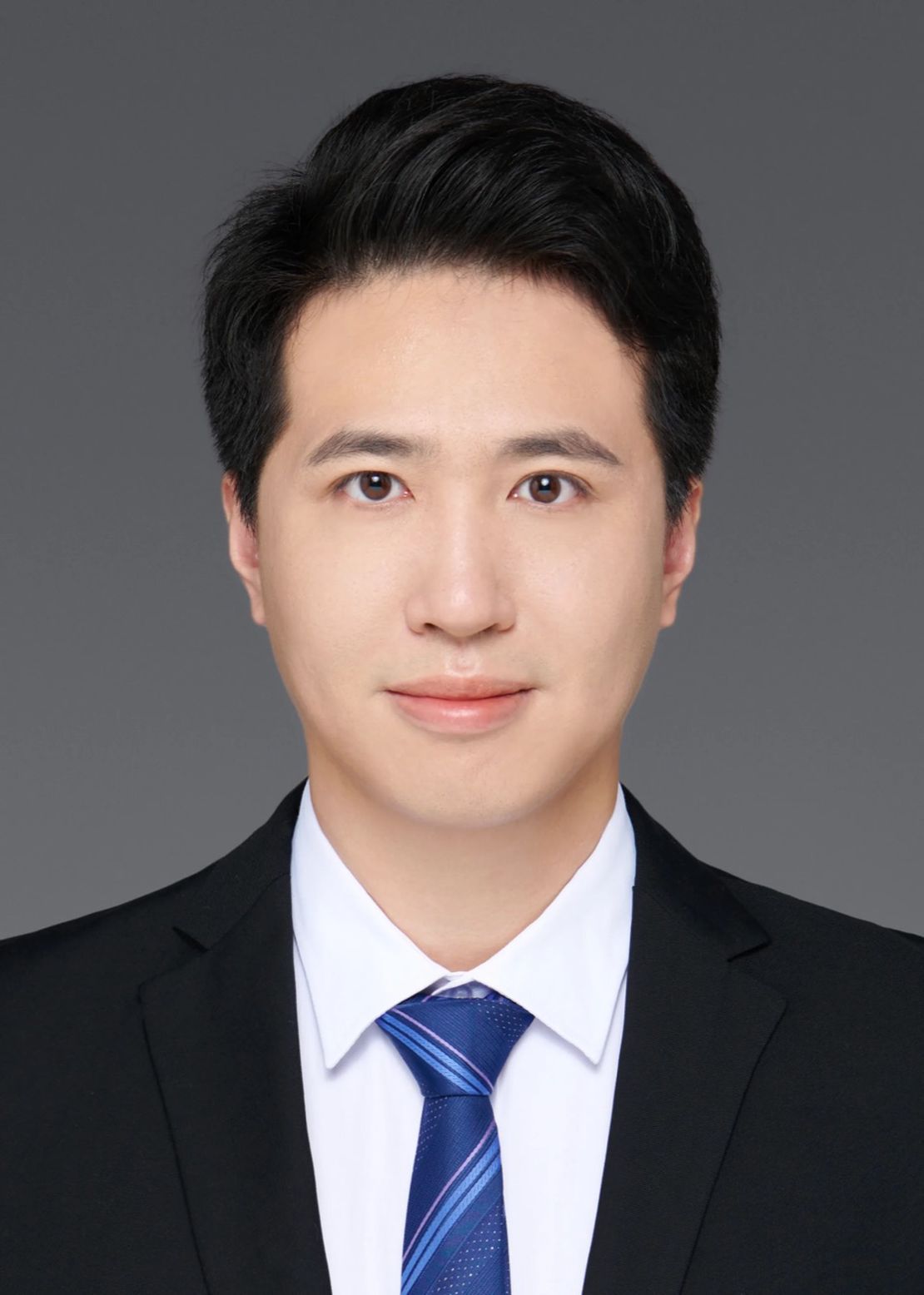
Yang Weiyi
Yang Weiyi, Ph.D., is currently a lecturer at the School of Artificial Intelligence of Nanjing University of Information Science & Technology, a core member of the Jiangsu University Key Laboratory of Intelligent Medical Image Computing and the Smart Medical Research Institute, and a youth committee member of the Chinese Research Hospital Association. He graduated from the School of Communication Engineering of Jilin University with a bachelor’s degree and a doctoral degree, and received his doctorate in October 2022. He went to the Department of Biomedical Engineering at McGill University for joint training and studied under Robert E Kearney, an academician of the Canadian Academy of Engineering and an academician of the American Academy of Biomedical Sciences. Now he is mainly engaged in research in the fields of biomedical signal processing and the development of intelligent diagnostic systems. Currently, he is presiding over the Jiangsu Provincial Basic Research Program Natural Science Foundation (2024.09-2027.08). He has published more than 20 SCI academic papers in high-level international journals such as “Information Sciences”, “Knowledge-based systems”, and “Artificial intelligence in medicine”. Google Scholar shows that the paper has been cited more than 500 times, with the highest number of citations for a single article being 152 times. He has served as a reviewer for high-level SCI journals such as Information Fusion and Information Sciences. Has applied for multiple invention patents, 4 of which have been authorized.
Read More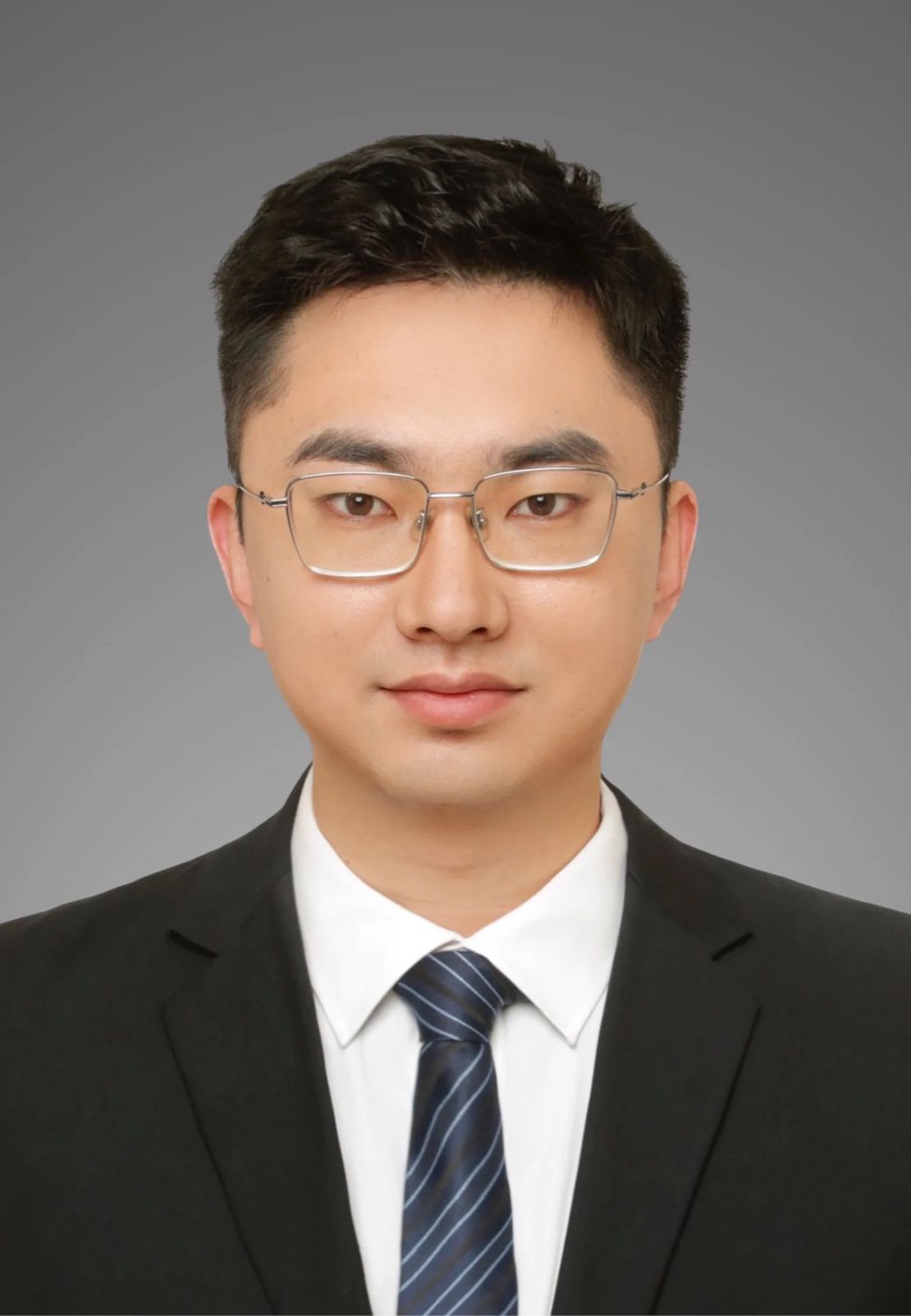
Cao Zheng
Cao Zheng, Ph.D., is currently a lecturer at the School of Artificial Intelligence of Nanjing University of Information Science & Technology, and a core member of the Jiangsu University Key Laboratory of Intelligent Medical Image Computing and the Smart Medical Research Institute. Graduated with a PhD from the School of Computer Science and Technology, Zhejiang University in 2024. The research direction is medical artificial intelligence methods driven by domain knowledge, mainly including medical imaging intelligent diagnosis, biological/chemical informatics and AI4Science. He has published more than ten papers in top industry journals and conferences, been cited more than 200 times, and has been authorized more than 40 Chinese invention patents. He has received more than ten commendations from Zhejiang University, including Outstanding Graduate Students, Three/Five Best Graduates, Outstanding Youth League Cadres, and Outstanding Graduate Students. Served as a reviewer for several journals or conferences such as Information Fusion, Briefings in Bioinformatics, Artificial Intelligence Review, Neruocomputing, Scientific Reports, Multimedia Systems, etc.
Read More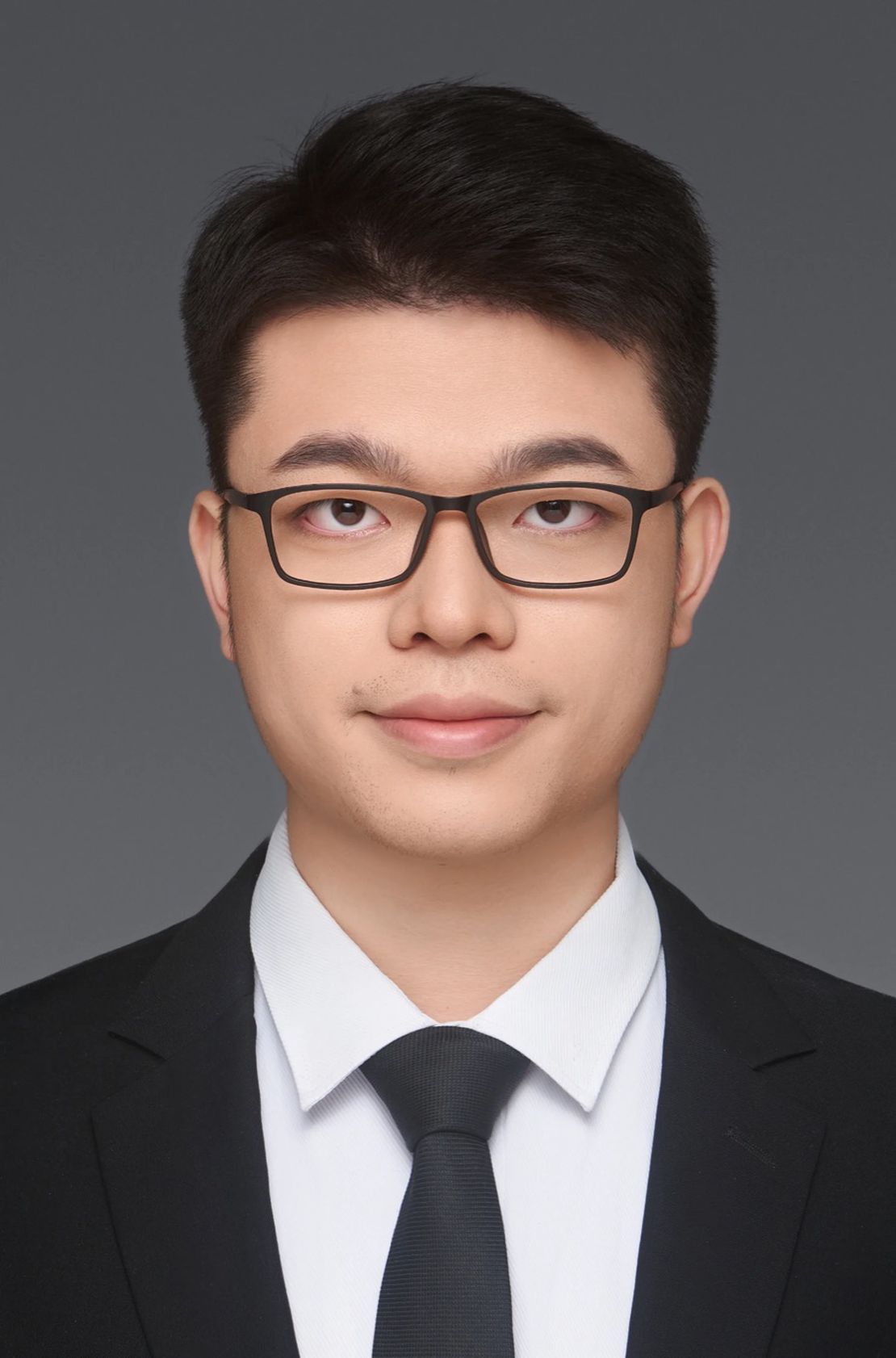
Zhou Wei
Zhou Wei, Ph.D., is a lecturer at the School of Artificial Intelligence of Nanjing University of Information Science & Technology, and a core member of the Jiangsu University Key Laboratory of Intelligent Medical Image Computing and the Smart Medical Research Institute. Obtained a bachelor’s degree in engineering (electronic information engineering) from Sichuan University in June 2019, and a doctorate in engineering (biomedical engineering) from Fudan University in June 2024. His supervisor is Professor Chen Wei. During his PhD, he participated in many scientific research projects such as the National Natural Science Foundation of China’s key projects, the Ministry of Science and Technology’s key research and development plan projects, and the Shanghai Municipal Science and Technology Commission’s major projects.
Read More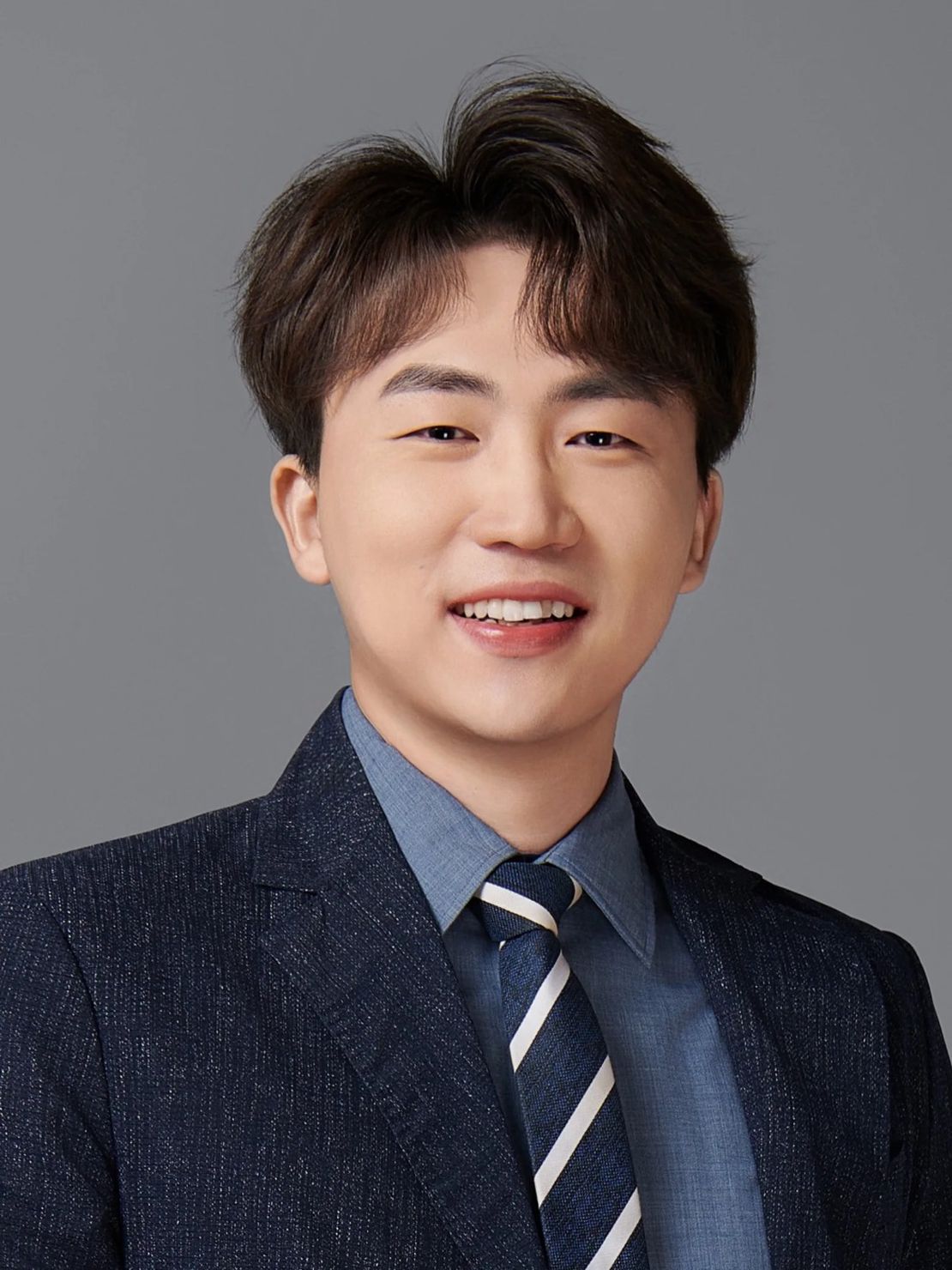
Ren Mucheng
Ren Mucheng, Ph.D., is a lecturer at the School of Artificial Intelligence of Nanjing University of Information Science & Technology, and a core member of the Jiangsu University Key Laboratory of Intelligent Medical Image Computing and the Smart Medical Research Institute. Obtained a bachelor’s degree in science from the University of Melbourne in December 2015, a master’s degree in engineering (electronics and electrical engineering) from the University of Melbourne in December 2017, and a doctorate in engineering (computer science and technology) from Beijing Institute of Technology in 2023. His supervisor is Professor Huang Heyan. During his Ph.D., he conducted scientific research internships at Microsoft Engineering Academy STCA and Alibaba Damo Academy, and participated in a number of scientific research projects such as National Natural Science Foundation key projects, National Natural Science Foundation Enterprise Innovation and Development Joint Fund projects, and Beijing Municipal Fund key projects.
Read More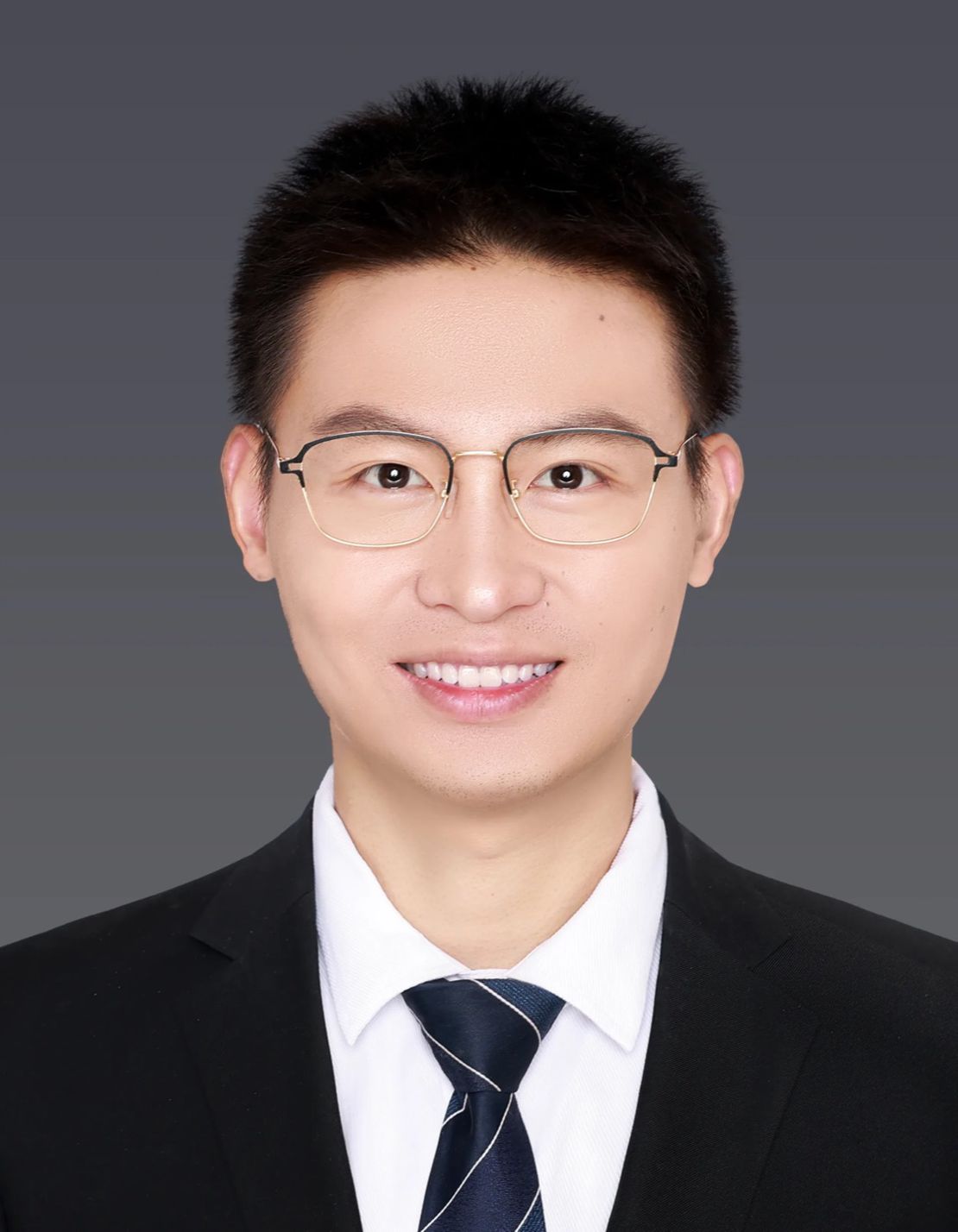
Ming Wenlong
Ming Wenlong, Ph.D., is a lecturer at the School of Artificial Intelligence of Nanjing University of Information Science & Technology, and a core member of the Jiangsu University Key Laboratory of Intelligent Medical Image Computing and the Smart Medical Research Institute. He received his bachelor’s degree from Jilin University in July 2016, and was later recommended to study for a master’s and doctoral degree in biomedical engineering at Southeast University, and received his doctorate in July 2023. During the doctoral period, from April 2022 to April 2023, as a jointly trained doctoral student, I went to the Medical Image Computing Department of the German National Cancer Research Center (DKFZ) for exchange and study. The supervisor is Professor Dr. Klaus H. Maier-Hein.
Read More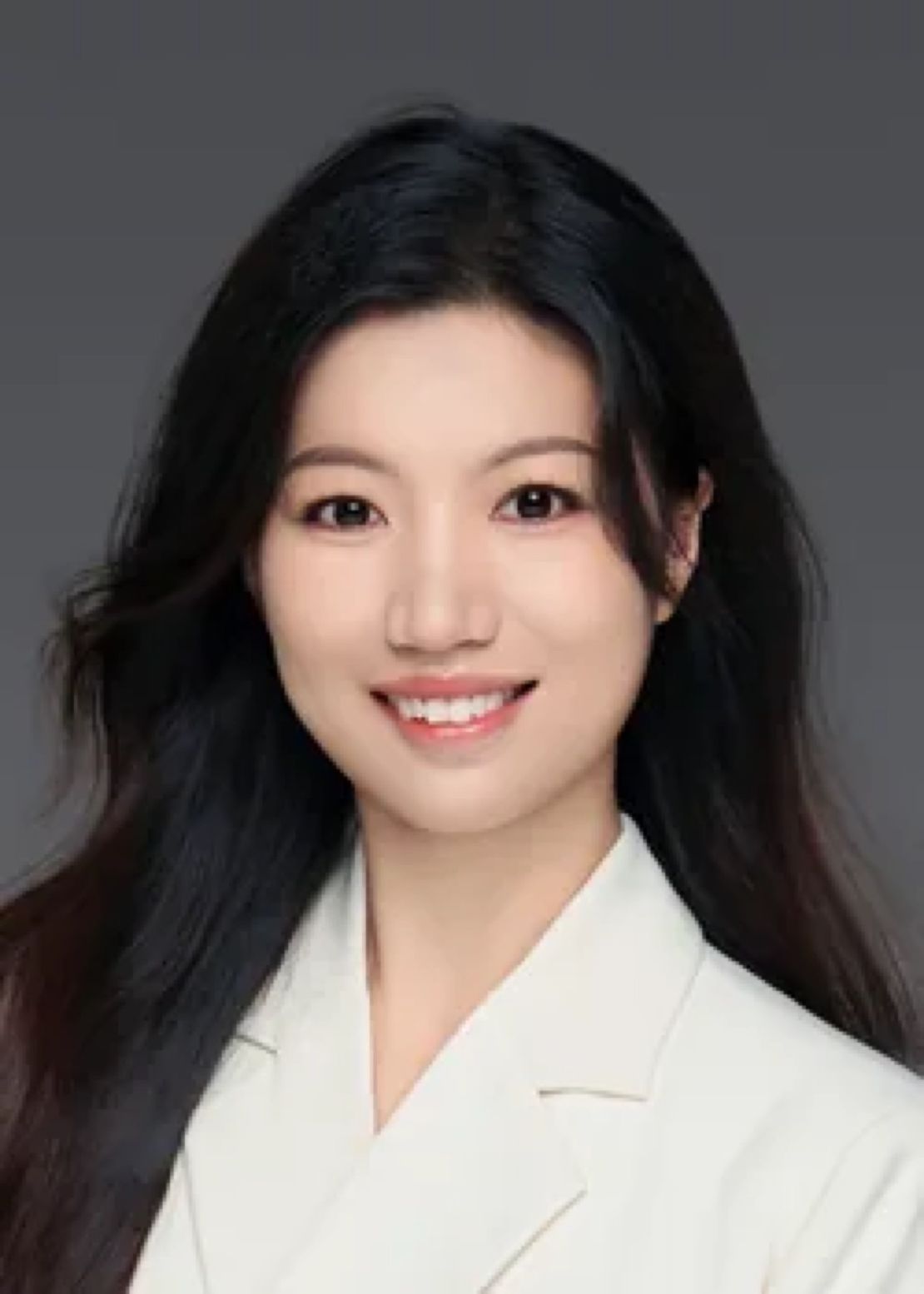
Zeng Xian
Zeng Xian, Ph.D., is a lecturer at the School of Artificial Intelligence of Nanjing University of Information Science & Technology, and a core member of the Jiangsu University Key Laboratory of Intelligent Medical Image Computing and the Smart Medical Research Institute. He graduated from Huazhong University of Science and Technology with a bachelor’s degree in 2016 and a doctorate from Zhejiang University in 2022. The research direction is clinical big data-driven medical clinical intelligent decision-making auxiliary methods, which mainly include congenital heart disease risk warning and prognosis analysis, patient similarity analysis based on electronic medical records, etc. Currently, he has published 6 SCI papers as the first author or co-first author, including JAMIA (IF=7.9), the top journal in the field of medical informatics, and Scientific Data (5-year IF=11.2), the flagship data journal of the Nature series.
Read More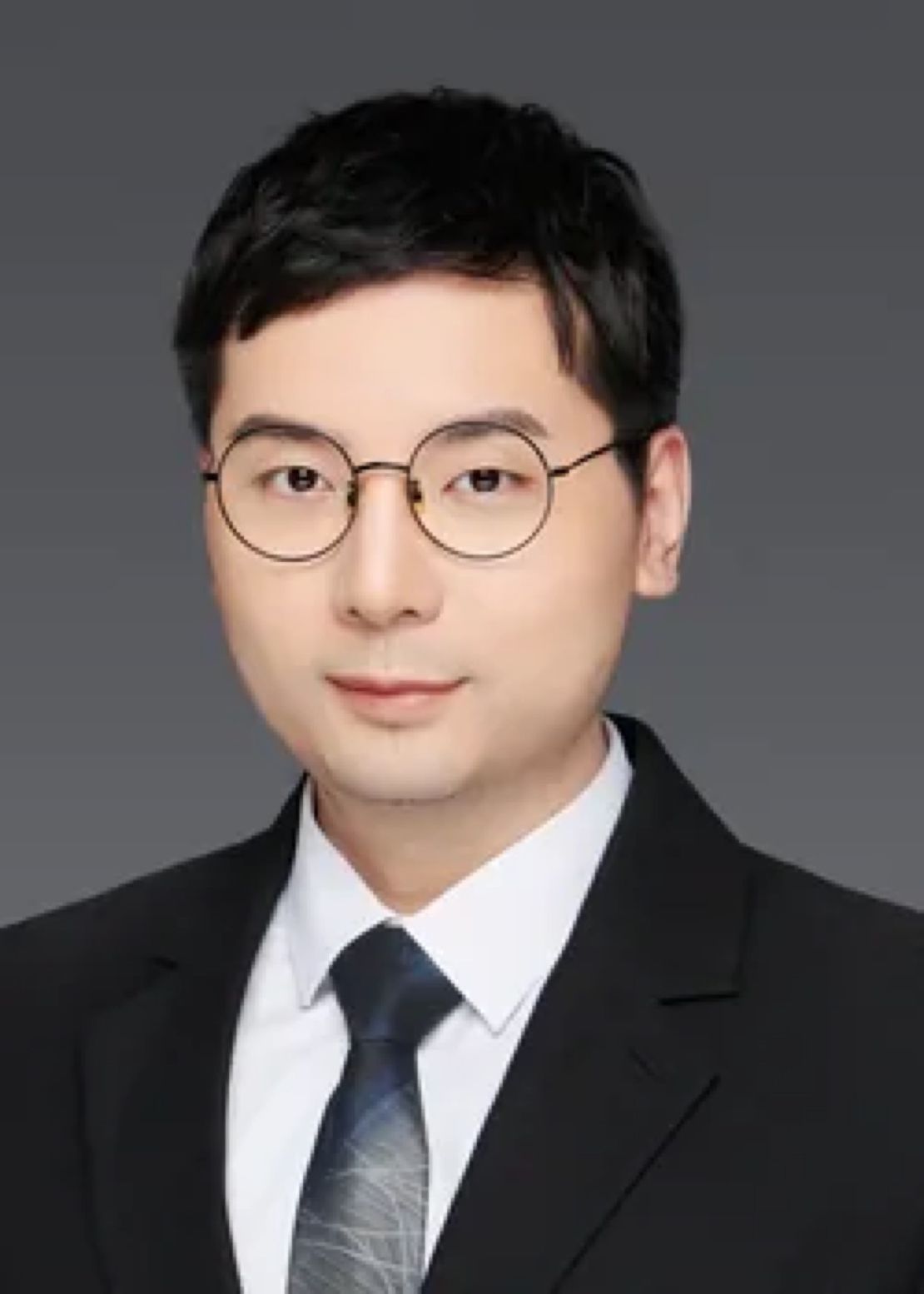
Gan Xiao
Gan Xiao, Ph.D., is a core member of the Jiangsu University Key Laboratory of Intelligent Medical Image Computing and the Intelligent Medical Research Institute. He graduated from the Science Intensive Department of Kuang Yaming College of Nanjing University, and later obtained a doctorate in physics from Pennsylvania State University in the United States. After graduation, he worked as a postdoctoral researcher at Northeastern University and Pennsylvania State University in the United States. He studied under Professor Albert-László Barabási and Professor Réka Albert, the founders of network science, and Professor Sarah M. Assmann, the former president of the American Society of Plant Biologists. He engaged in interdisciplinary research on network science and biomedicine. He has published many papers in high-level journals such as PNAS, and has been cited by Google Scholar more than 500 times. The current research directions are network medicine theory and modeling biological signal transduction network.
Read More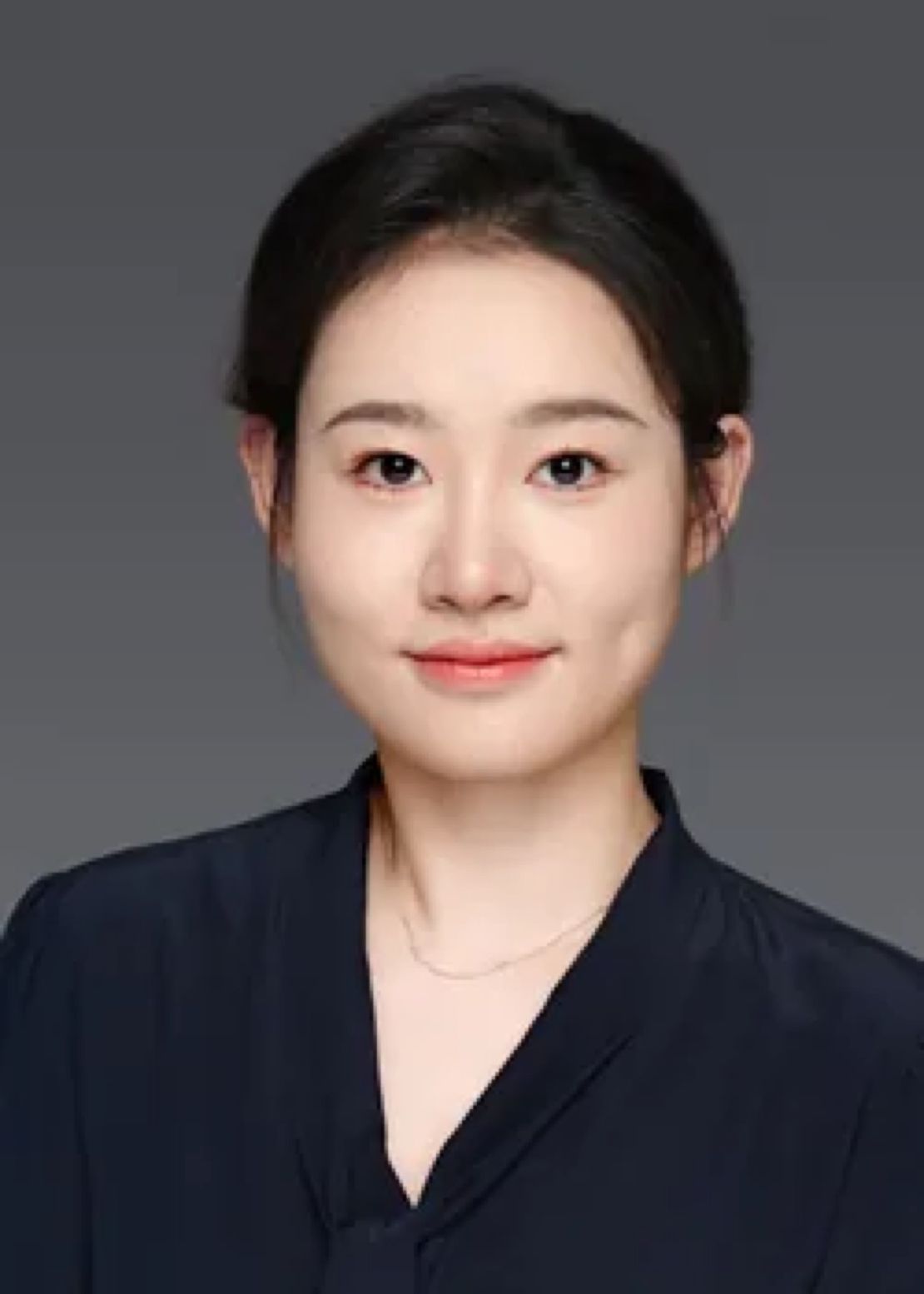
Wan Zhuo
Wan Zhuo, Ph.D., is a core member of the Jiangsu University Key Laboratory of Intelligent Medical Image Computing and the Intelligent Medical Research Institute. He received his bachelor’s and master’s degrees in computer science from Xi’an University of Architecture and Technology and the University of Warwick, UK, respectively, and received his PhD in computer science from the School of Computer Science, University of Warwick, UK. Currently, as the first author (including co-authors), he has published two SCI papers (SCI Area 1) and accepted one (SCI Area 1) in international journals in related fields, including Neuroimage (two articles, IF=6.5), a top journal in the field of neuroimaging, and EBioMedicine (one article, IF=8.2), a comprehensive sub-journal of The Lancet.
Read More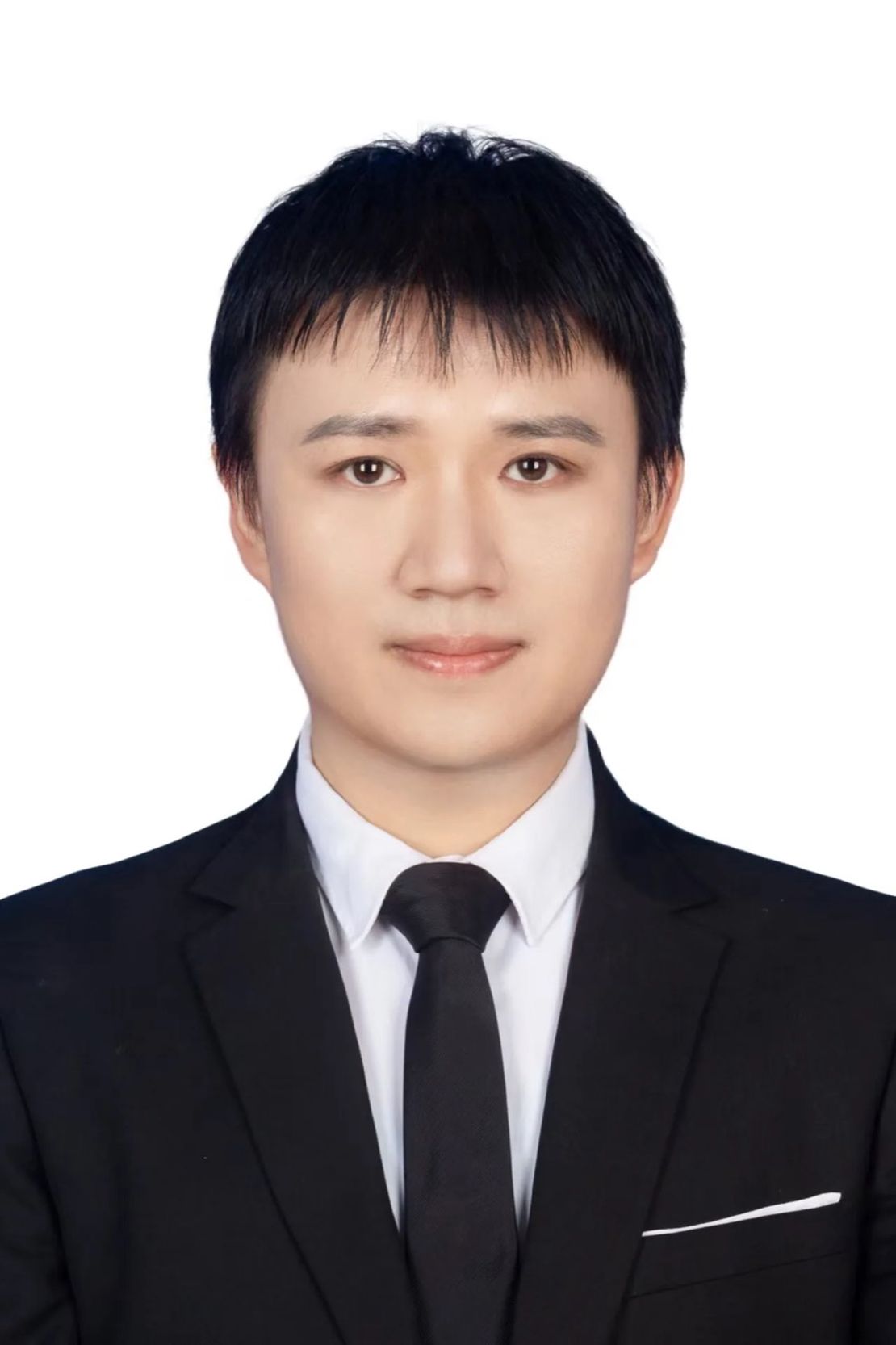
Zhang Teng
Zhang Teng, Ph.D., is a core member of the Jiangsu University Key Laboratory of Intelligent Medical Image Computing and the Intelligent Medical Research Institute. He graduated from Zhejiang University with a bachelor’s degree in 2010, a master’s degree in electrical engineering from Zhejiang University in 2013, and a doctorate in imaging and interventional radiology from the Chinese University of Hong Kong in 2018. From 2018 to 2021, he engaged in postdoctoral research at Zhejiang University, and was awarded the 2018 Postdoctoral International Exchange Program Introduction Project. From December 2021, he will be a full-time teacher at the School of Artificial Intelligence, Nanjing University of Information Science & Technology. Now he is mainly engaged in research in the fields of medical image analysis, pattern recognition and other fields. In recent years, he has published 5 SCI papers as the first author and co-first author in top journals such as NeuroImage and European Journal of Nuclear Medicine & Molecular Imaging, and serves as a reviewer for journals such as European Radiology.
Read More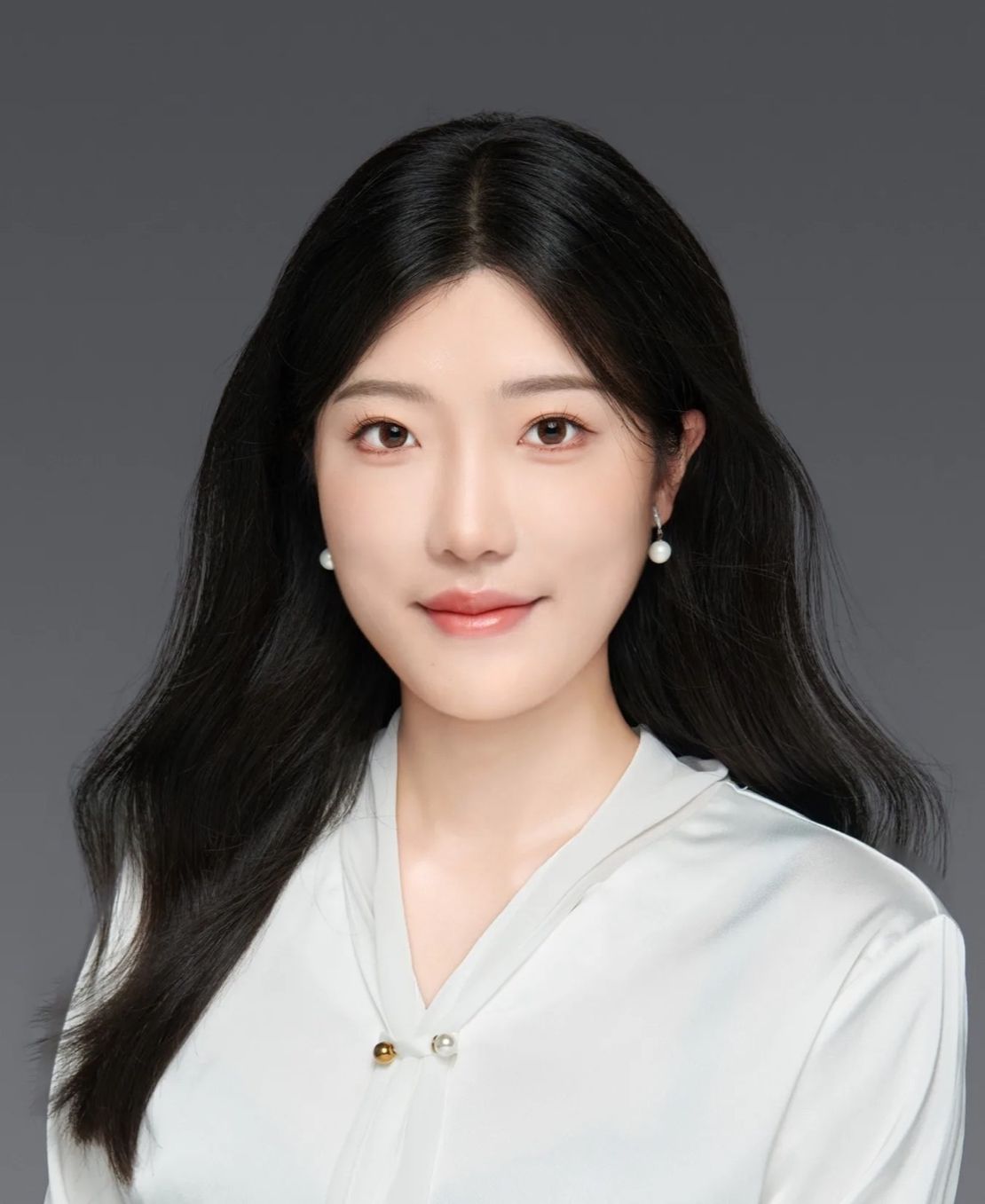
Li Jin
Li Jin is a core member of the Jiangsu University Key Laboratory of Intelligent Medical Image Computing and the Intelligent Medical Research Institute. He graduated from Xiamen University with a bachelor’s degree and a Ph.D. from the School of Biomedical Engineering and Instrument Science, Zhejiang University. He presided over the Youth Project of the National Natural Science Foundation of China and participated in many projects such as the National Natural Science Foundation of China, major scientific research projects of Zhijiang Laboratory, and the British NIHR scientific research projects. During the doctoral stage, he was selected into the “Zhejiang University Doctoral Graduate Academic Rising Star Program” and won honors such as Zhejiang University’s outstanding graduate students. In 2021, funded by the China Scholarship Council (CSC), he will go to the University of Oxford in the UK for joint training. The main research directions are: electronic medical record (EHR) data mining based on machine learning; clinical decision support based on graph models and large language models. Mainly committed to applying medical artificial intelligence methods to: 1) clinical intelligent decision-making; 2) patient prognosis risk assessment; 3) intelligent prevention, diagnosis and treatment of diseases, etc., so as to assist the role and value of medical big data in clinical practice.
Read More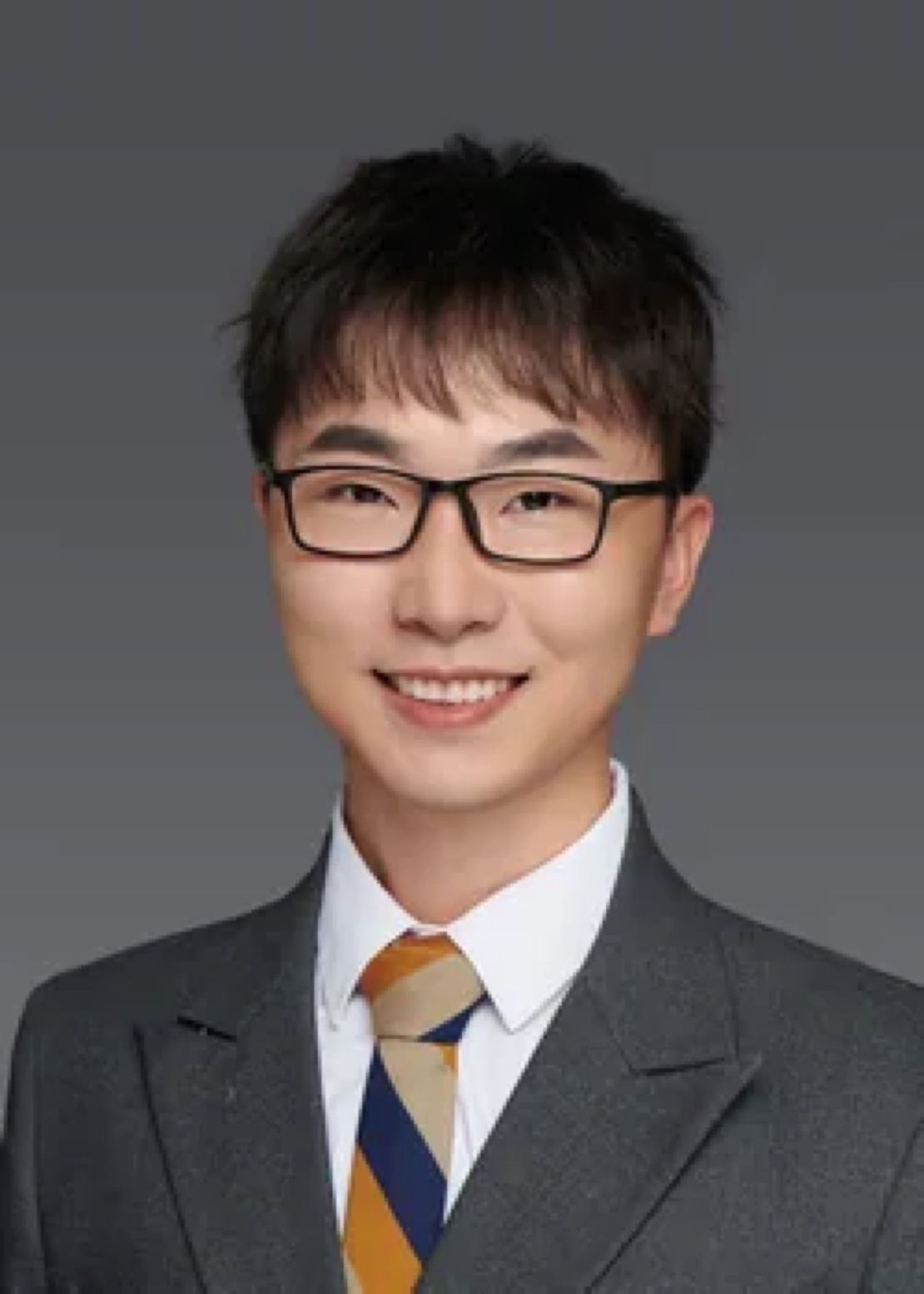
Jiao Yiping
Jiao Yiping, Ph.D., is currently a lecturer at the School of Artificial Intelligence at Nanjing University of Information Science & Technology, and a core member of the Jiangsu University Key Laboratory of Intelligent Medical Image Computing and the Smart Medical Research Institute. He graduated with a master’s and doctoral degree from the School of Automation of Southeast University. During his period, he received funding from the China Scholarship Council and went to the Netherlands for a year of joint training with the Computational Pathology Group of Radboud University Medical Center. His main research directions are computational pathology and machine learning. He has rich experience in histopathological full scan slice analysis. He has published six SCI papers as the first author and has authorized one invention patent. Research topics include cancer focus detection and tumor microenvironment analysis in slices of lung cancer, colorectal cancer, breast cancer, and pancreatic cancer, as well as supporting slice quality control, active learning, and staining pattern analysis and other technologies.
Read More