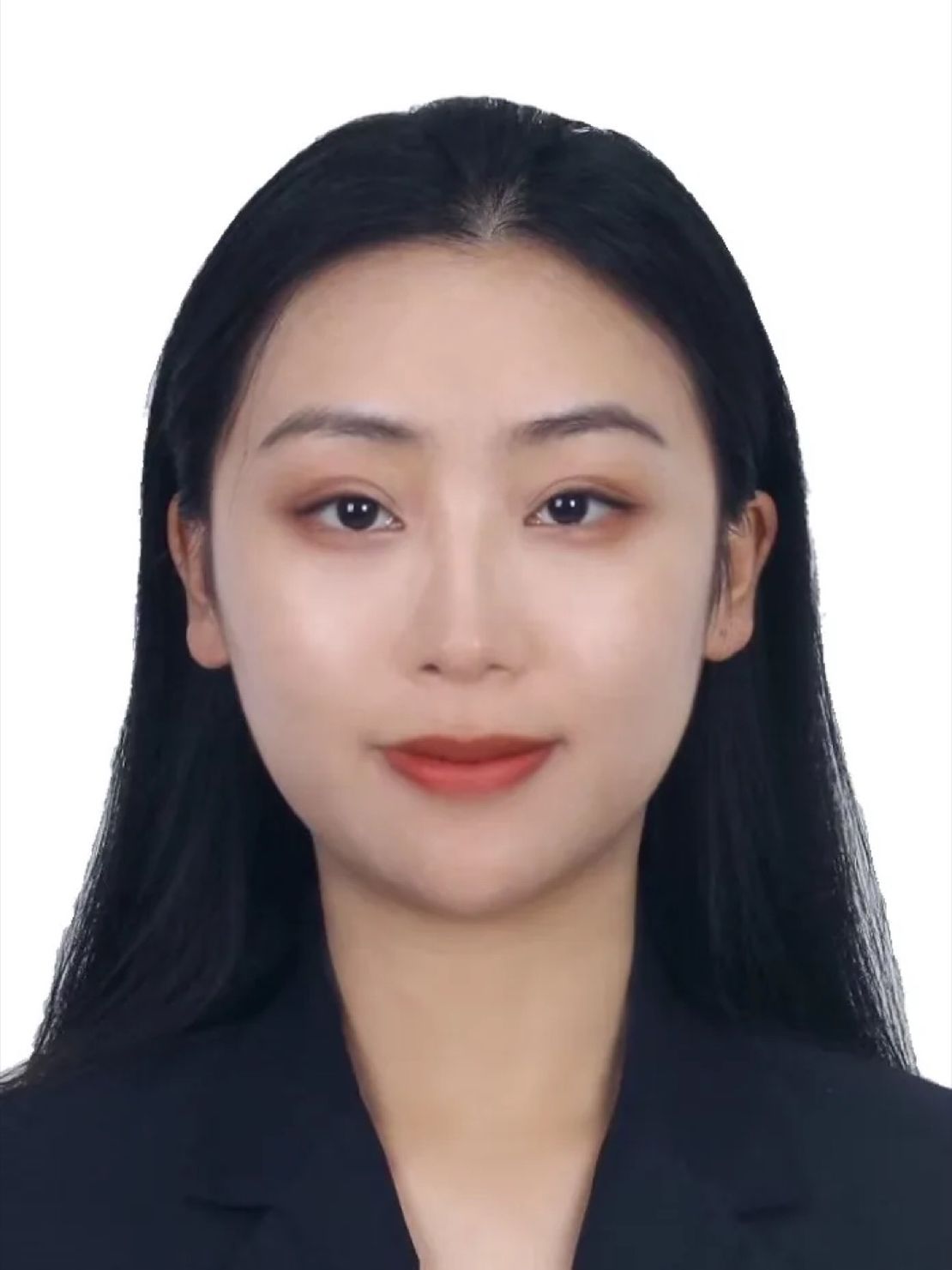
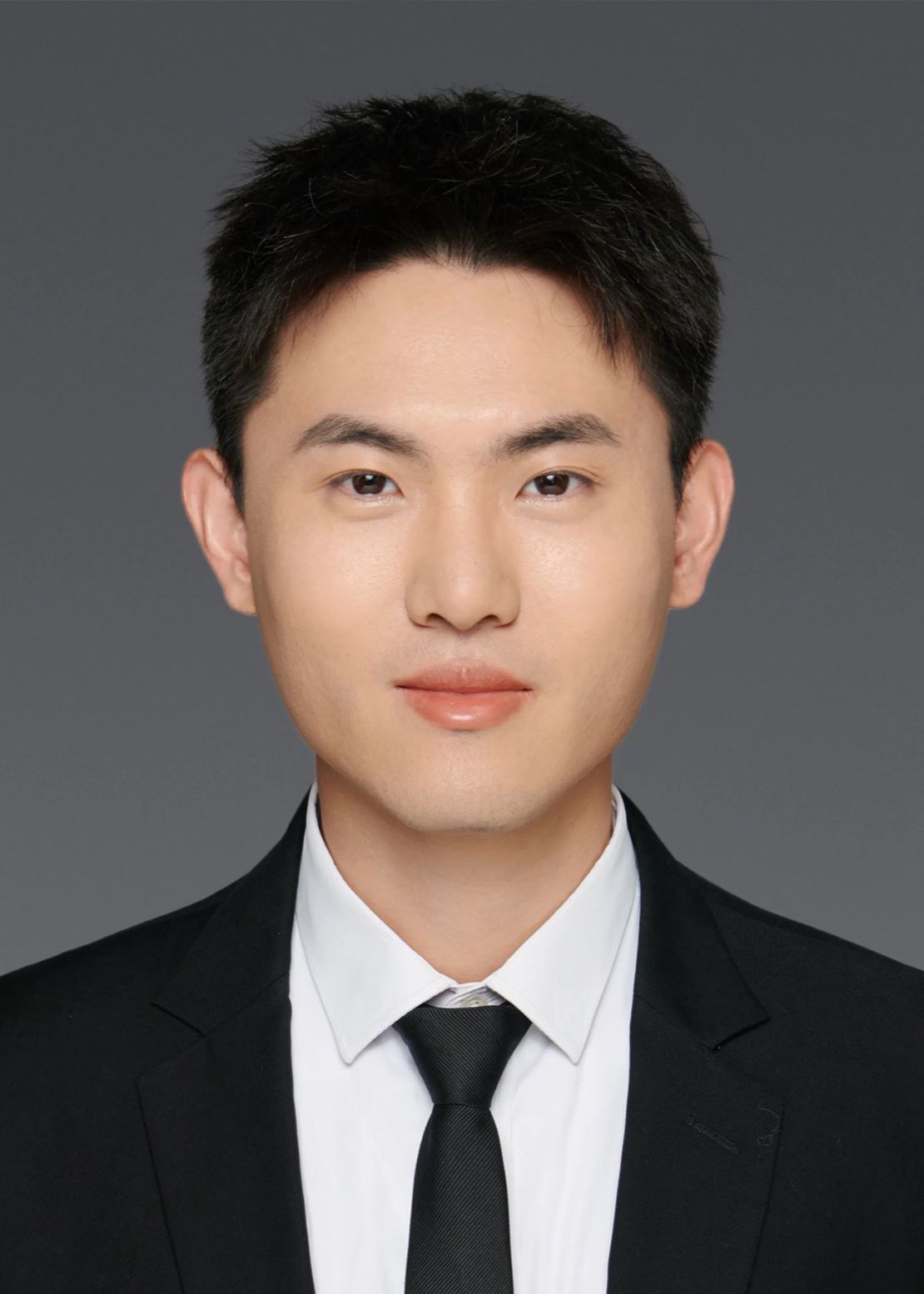
Li Qiong
- IMIC Lab
- People , Engineering teacher
- July 15, 2026

Li Qiong, Ph.D., is a member of the Communist Party of China, a postdoctoral fellow at the School of Artificial Intelligence (College of Future Technology), Nanjing University of Information Science & Technology, and a core member of the Jiangsu University Key Laboratory of Intelligent Medical Image Computing and the Smart Medical Research Institute. He received a Bachelor of Engineering in Computer Science and Technology from Shandong Normal University in 2017, a Master of Engineering in Computer Application Technology from Guangxi University in 2020, and a Doctor of Engineering in Computer Application Technology from Beijing Normal University in 2026. During his PhD, he participated in a number of interdisciplinary research projects, focusing on computer vision, pattern recognition and other fields, and has rich experience in experimental design and algorithm development. Current research directions include: computer vision, medical artificial intelligence, and auxiliary diagnosis and treatment.
In the past five years, he has published many high-level papers as the first author or co-author in international journals and conferences such as IEEE/CAA JAS, IEEE JBHI, Neurocomputing, ICASSP, etc. He has a solid theoretical foundation and engineering practice capabilities in graph neural networks, Transformer, multi-modal fusion and large language model applications.
Research directions:
Computer vision: gait recognition, action recognition
Medical artificial intelligence and auxiliary diagnosis and treatment: Based on multi-source information such as video behavior, physiological signals and clinical scales, research on objective identification and auxiliary assessment methods for the development status of mental disorders and special groups.
Representative papers:
Li Q, Ren M, Liu
Li Q, Ren M, Hu X, et al. Spatio-temporal multi-granularity for skeleton-based depression risk recognition[J]. IEEE Journal of Biomedical and Health Informatics, 2025. (Chinese Academy of Sciences District 1 Top, IF: 6.7)
Li Q, Liu
Liu
Liu
Liu
Li Q, Gao J, Zhang Z, et al. Distinguishing epileptiform discharges from normal electroencephalograms using adaptive fractal and network analysis: A clinical perspective[J]. Frontiers in Physiology, 2020, 11: 828. (District 3, Chinese Academy of Sciences, IF: 4.3)
Li Q, Gao J, Huang Q, et al. Distinguishing epileptiform discharges from normal electroencephalograms using scale-dependent Lyapunov exponent[J]. Frontiers in Bioengineering and Biotechnology, 2020, 8: 1006. (District 3, Chinese Academy of Sciences, IF: 5.8)
Translated from the original Chinese source.