Using intelligence as a bridge to protect life and health | IMIC Lab will undertake the 2026 series of international medical artificial intelligence training courses
- IMIC Lab
- News , Comprehensive news
- July 5, 2026
From mid-June to early July 2026, the Jiangsu Key Laboratory of Intelligent Medical Image Computing (IMIC) of Nanjing University of Information Science & Technology undertook the teaching of the “2026 International Training Course on Medical Artificial Intelligence for Developing Countries”, “2026 Bulgaria Training Course” and “2026 International Summer School Camp”. This series of academic activities focuses on the core theme of “from multimodal medical data and imaging phenotypes to clinical decision-making” and brings together experts and scholars, health department managers, medical institution experts, and young trainees from dozens of countries and regions, including North Macedonia, Ghana, Turkey, Jordan, Nepal, Uruguay, Laos, Myanmar, France, Germany, Bulgaria, Russia, Italy, Malaysia, and Indonesia. Through systematic teaching of cutting-edge algorithms, academic reports by scholars, and practical teaching of interdisciplinary applications, the intersection and integration of “carbon-based life” and “silicon-based wisdom” are deeply deconstructed.
Cutting-edge report enlightens new wisdom on “carbon-silicon fusion”
- How AI empowers modern medical care and disease prevention
Professor Xu Jun gave a special lecture titled “AI in Healthcare: How Computers Help Us Fight and Prevent Diseases” in Classroom A101-102 of Linjiang Building. Professor Xu gave an in-depth analysis of the technological sparks that erupted when “carbon-based life” and “silicon-based wisdom” met. He pointed out that driven by the “three major engines” of massive data, advanced algorithms and powerful computing power, artificial neural networks inspired by human brain cells are showing amazing potential in modern medicine. The report highlights the disruptive role of artificial intelligence in microscopic image analysis and physiological signal monitoring: using advanced image recognition and machine learning tools, AI can assist doctors in analyzing digital pathology and ultra-high-resolution microscopic images, and assist in the accurate diagnosis of major diseases such as breast cancer, liver cancer, and colorectal cancer. At the same time, using daily smart wearable devices and visual technology to obtain physiological signals and video data in real time can achieve early detection of health risks and analysis of human behavior. This marks a leapfrog transformation of the modern medical system from “passive treatment after illness” to “active intelligent prediction and prevention”.
- Human-centered physiological signal collection and behavioral perception
Subsequently, Professor Liu Hui hosted a practical course on “Human-Centered Biosignal Acquisition and Machine Learning: Practice” at the China-Europe Institute of Medical Artificial Intelligence.
As an expert in the field of human behavior research, Professor Liu emphasized that “the ultimate goal of artificial intelligence is to serve human beings themselves.” He vividly demonstrated his team’s cutting-edge technology in smart wearable devices and multi-modal physiological signal analysis (such as ECG, PPG and acceleration signals) to international students. In on-site practice, Professor Liu demonstrated the world’s first smart knee bandage developed by his team that can recognize and analyze human activities in real time. During hands-on practice, students experienced how AI can accurately protect human health through “quantified self” and multi-modal physiological feedback, and deeply understood the practical value of “human-triggered machine learning” in fields such as personalized rehabilitation and early screening.
Eight major topics to systematically build a medical AI multi-modal knowledge network
In previous seminars and training courses, the key faculty team of the IMIC laboratory carefully prepared eight cutting-edge special courses for participants in seminars from developing countries around the main line of “from imaging phenotypes to clinical decision-making”, which systematically covered the cross-scale, multi-modal technology and clinical application system of medical artificial intelligence:
Graph structure and artificial intelligence (speaker: Dr. Zhang Teng): In-depth discussion of graph neural network (GNN) and its message passing mechanism, and analysis of how to use graph structure as a universal language to model and reason about complex relational data in the medical field.
Computational biomarkers (speaker: Professor Wang Xiangxue): Demonstrates how to integrate multi-modal data such as medical imaging, biochemical profiles, and spatial transcriptomics through artificial intelligence and advanced computing algorithms to overcome the problems of intra-tumor heterogeneity and cell interactions that are difficult to capture with traditional diagnosis.
Biosignals and Wearable Interfaces (Lecturer: Professor Liu Hui): Discussed multi-modal physiological signal analysis, focusing on teaching how to design, train and deploy medical AI systems based on human ethics, practicality and situational needs.
Network-based biological system modeling (Lecturer: Professor Gan Xiao): Teach how to use network science methods to simulate the “1+1>2” emergent properties of complex biological systems in human protein interaction networks and biological signal transduction networks.
Micro-OCT imaging revolution and image recognition application (speaker: Associate Professor Luo Yuemei): Systematically introduced the breakthrough of ultra-high-resolution optical coherence tomography (Micro-OCT) in non-invasive early monitoring of ophthalmology, dermatology and gastroenterology, and discussed the prospects of integrated automatic diagnosis algorithms in improving medical accessibility.
Multimodal medical data analysis and intelligent diagnosis and treatment (Lecturer: Professor Xu Jun): Systematically characterize changes in the macroscopic morphology (image) and tissue microenvironment (digital pathology) of tumors, and provide multimodal intelligent clinical decision support for precision radiotherapy, chemotherapy, and immunotherapy.
Neuroimaging brain big data and mental health analysis (speaker: Dr. Wan Zhuo): Comprehensively dismantled the standard process of neuroimaging big data analysis in brain science, and explored innovative methods of using resting-state fMRI to find biomarkers of mental illness and impulsive brain neural mechanisms.
Medical natural language processing and large model applications (speaker: Dr. Ren Mucheng): Discussed the revolutionary progress and privacy challenges from basic technologies such as named entity recognition (NER) to large language models (LLM) in the automatic generation of clinical documents and the development of intelligent patient-oriented question and answer tools.
Using wisdom as a bridge, join hands to build a global health community with a shared future
This series of international training courses is not only a collision of academic ideas, but also an important display of my country’s scientific and technological foreign aid and international cooperation with developing countries.
In the classroom, students not only learned the latest evolution of AI algorithms and models - from biological inspiration, receptive field theory, the cornerstone of neural networks won by Hinton and other scholars who won the Nobel Prize, to cutting-edge theories of self-supervised representation learning, autoencoder and Transformer attention mechanisms; outside the classroom, students also had in-depth exchanges with Chinese experts around real-life clinical application scenarios such as breast cancer and liver cancer.
Many senior managers of health departments and experts from higher education institutions from abroad have said that China’s rapid development in the field of medical artificial intelligence is remarkable. Especially in terms of “efficiently converting cutting-edge algorithms into clinical decision-making aids”, the research results of Nanjing University’s IMIC laboratory provide extremely valuable Chinese solutions for developing countries to solve the lack of local medical resources and improve the accuracy of diagnosis and treatment."
With the successful conclusion of the training class and academic seminar, this group of “seed students” from all over the world not only gained rich theoretical knowledge of medical AI, but also sowed the seeds of friendship. They will return to their respective countries with what they have learned and think about, promote the implementation of artificial intelligence technology in the local medical system, and inject vigorous digital innovation power into the joint construction of a human health and health community.
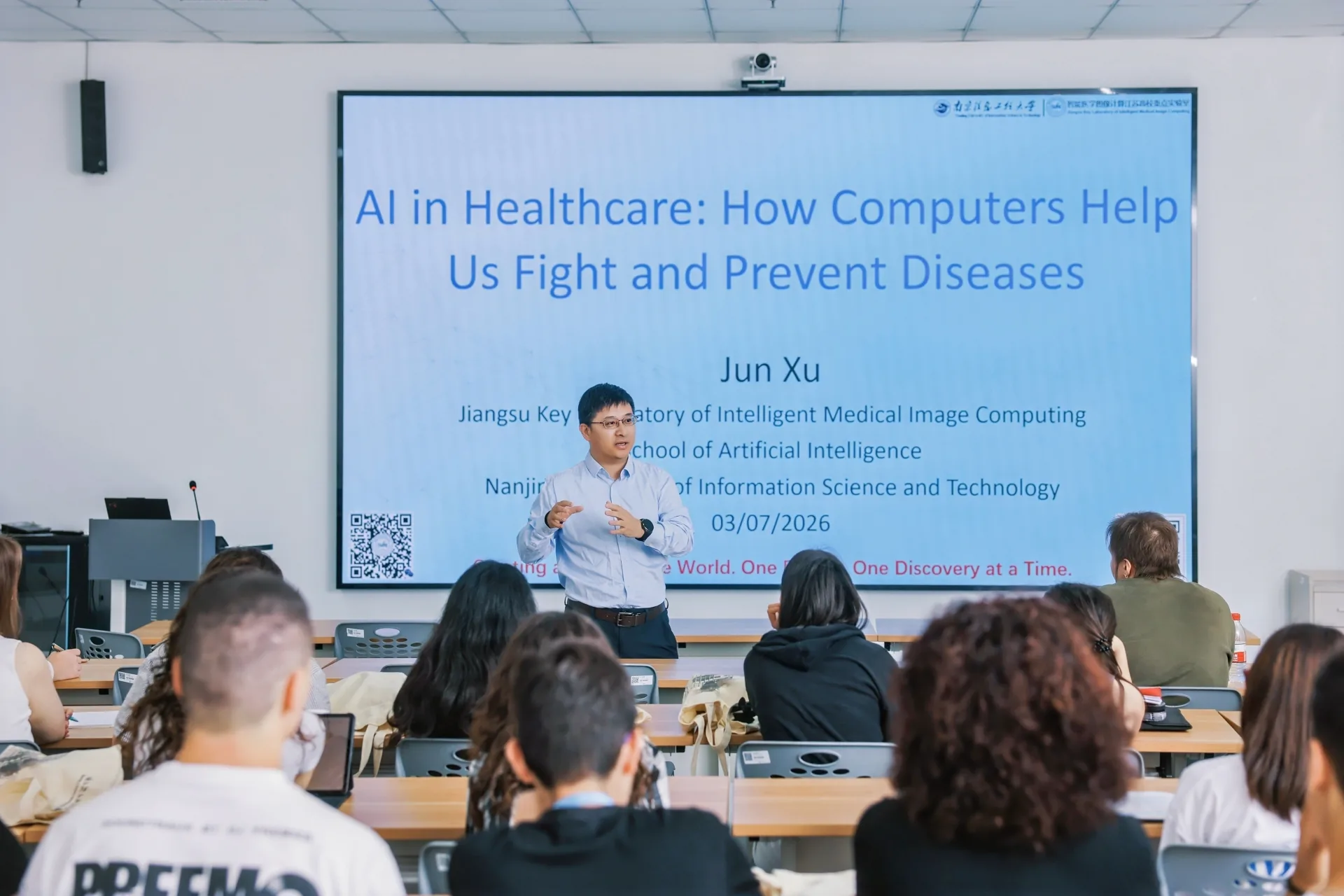
Professor Xu Jun gave a special lecture on “AI in Healthcare”
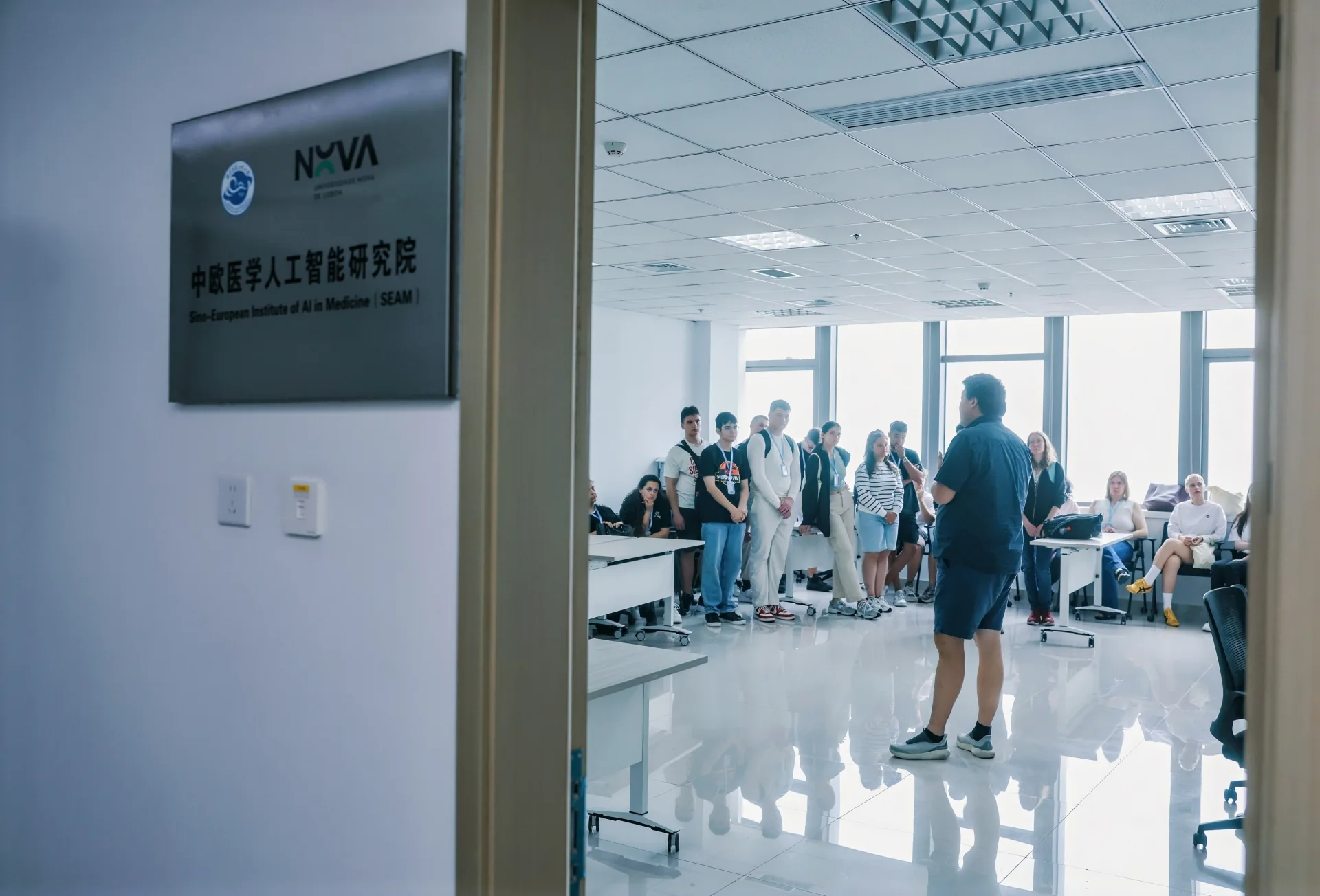
Professor Liu Hui lectures on the practical course “Biological Signal Acquisition and Machine Learning for Humans”
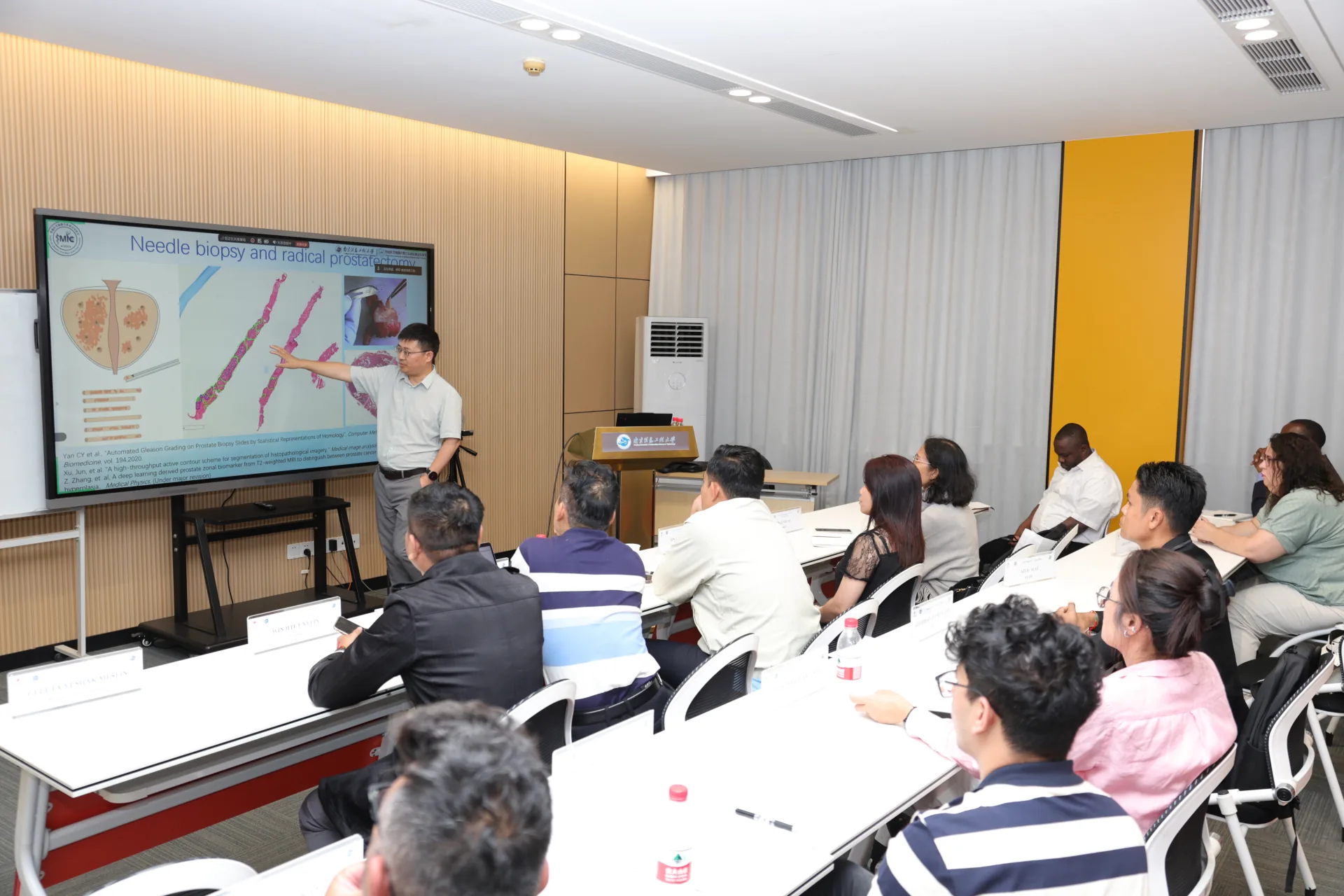
Professor Xu Jun lectures at the International Training Course on Medical Artificial Intelligence for Developing Countries
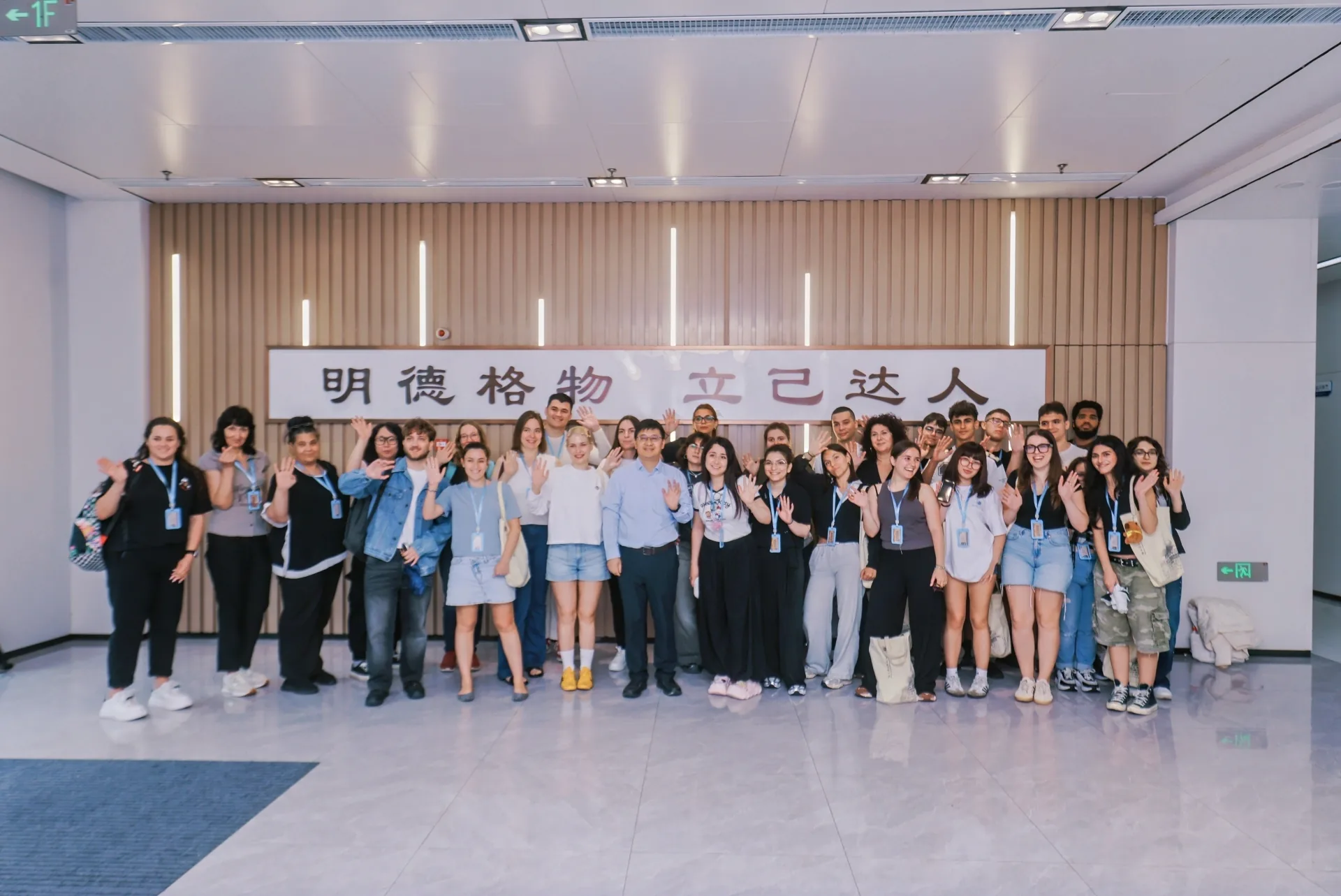
Group photo of the 2026 International Summer School Training Course
Translated from the original Chinese source.