The intersection of medicine and engineering jointly promotes children's health—The Children's Hospital of Nanjing Medical University and the School of Artificial Intelligence of Nanjing University of Science and Technology held a seminar
- IMIC Lab
- News , Comprehensive news
- March 21, 2026
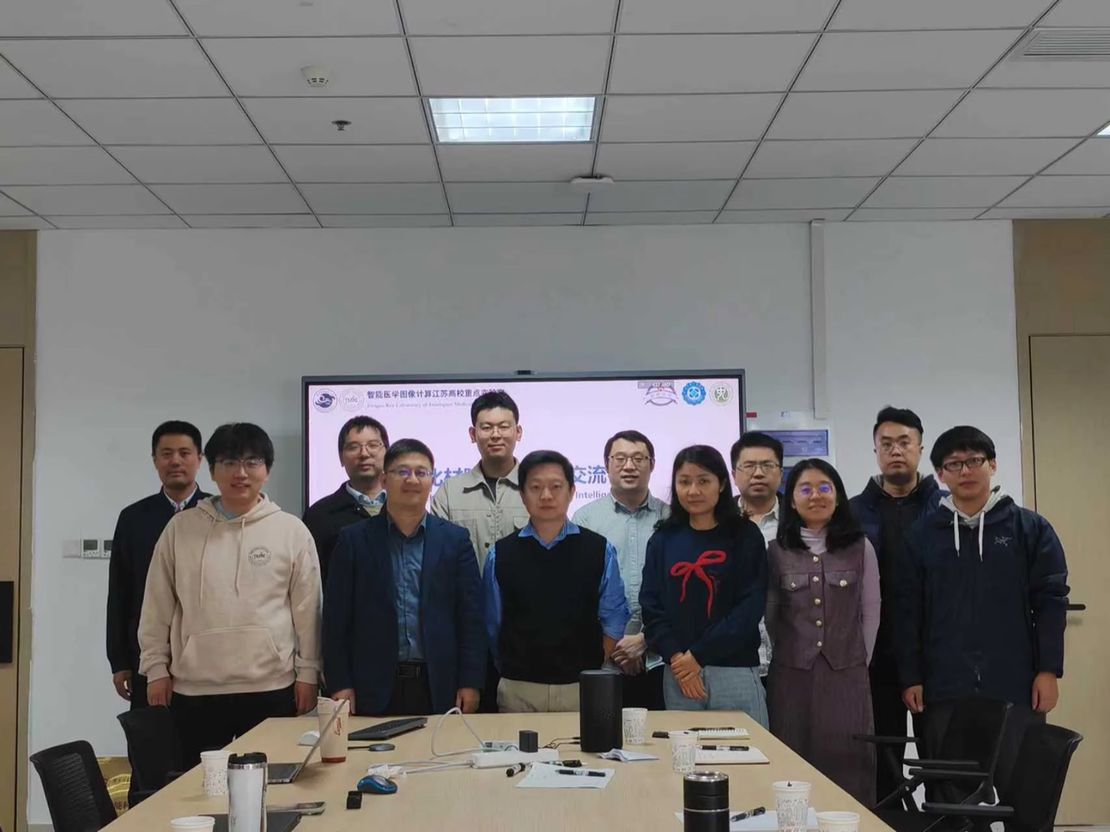
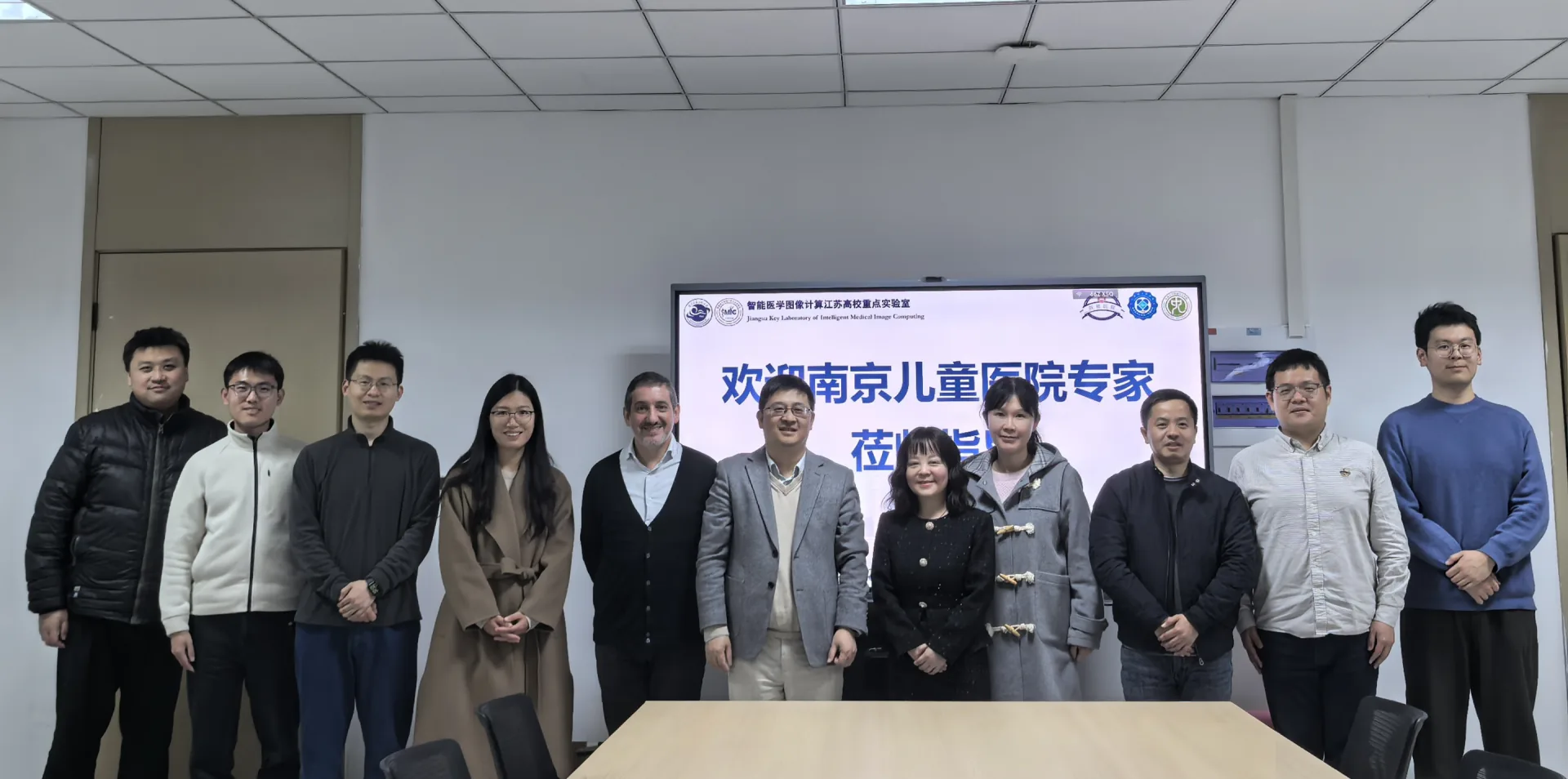
In order to deepen the cross-integration of medicine and engineering and promote in-depth collaborative innovation in the field of artificial intelligence technology and children’s medicine, on the afternoon of March 20, 2026, the Children’s Hospital Affiliated to Nanjing Medical University and the Key Laboratory of Intelligent Medical Image Computing (IMIC) jointly held an academic seminar on the cross-section of medicine and engineering. The expert team of the Children’s Hospital of Nanjing Medical University and the scientific research backbones in IMIC-related fields gathered together to conduct in-depth exchanges and discussions around the innovative applications of artificial intelligence in children’s medical research, clinical diagnosis and treatment, and children’s health security. At the meeting, representatives from both sides introduced the core research directions, scientific research results and clinical practice experience of their respective teams. They agreed that the intersection of pediatric medicine and artificial intelligence has broad development prospects. In the future, they will rely on their respective advantages to deepen cooperation in joint scientific research, data resource sharing, and joint talent training, and jointly promote the application of medical-engineering intersection technologies.
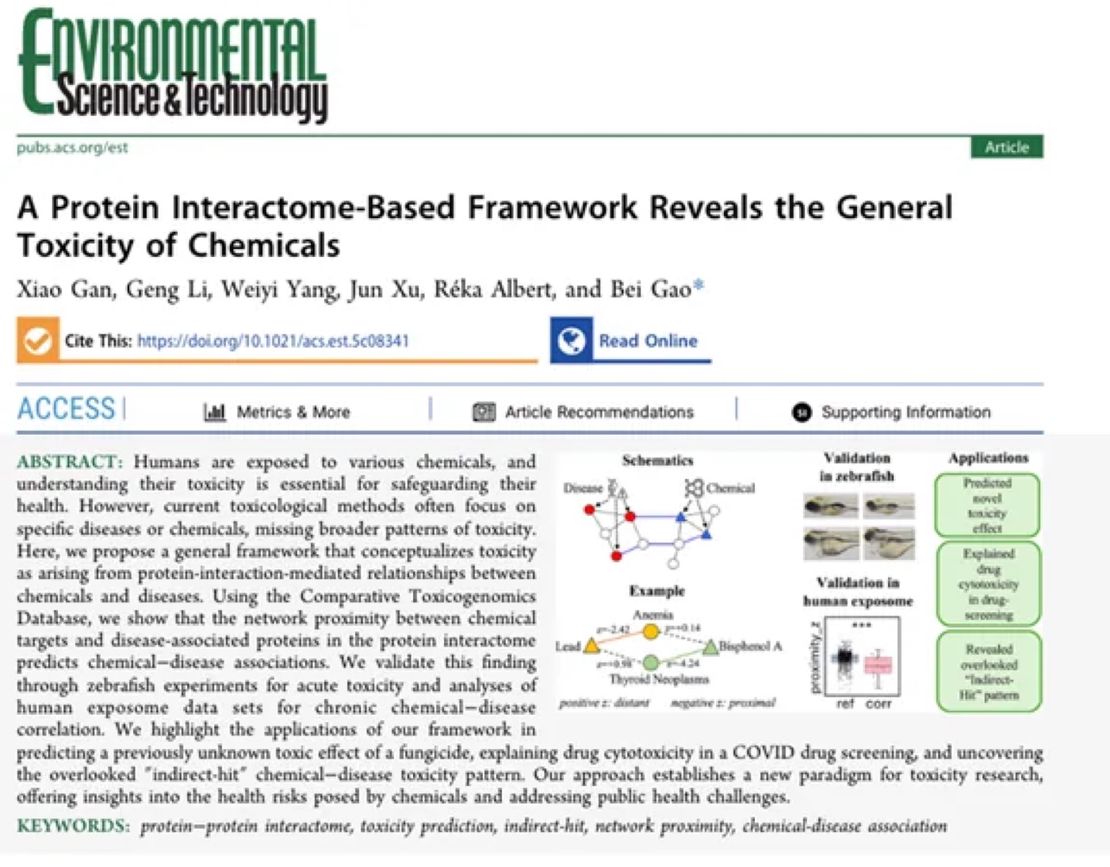
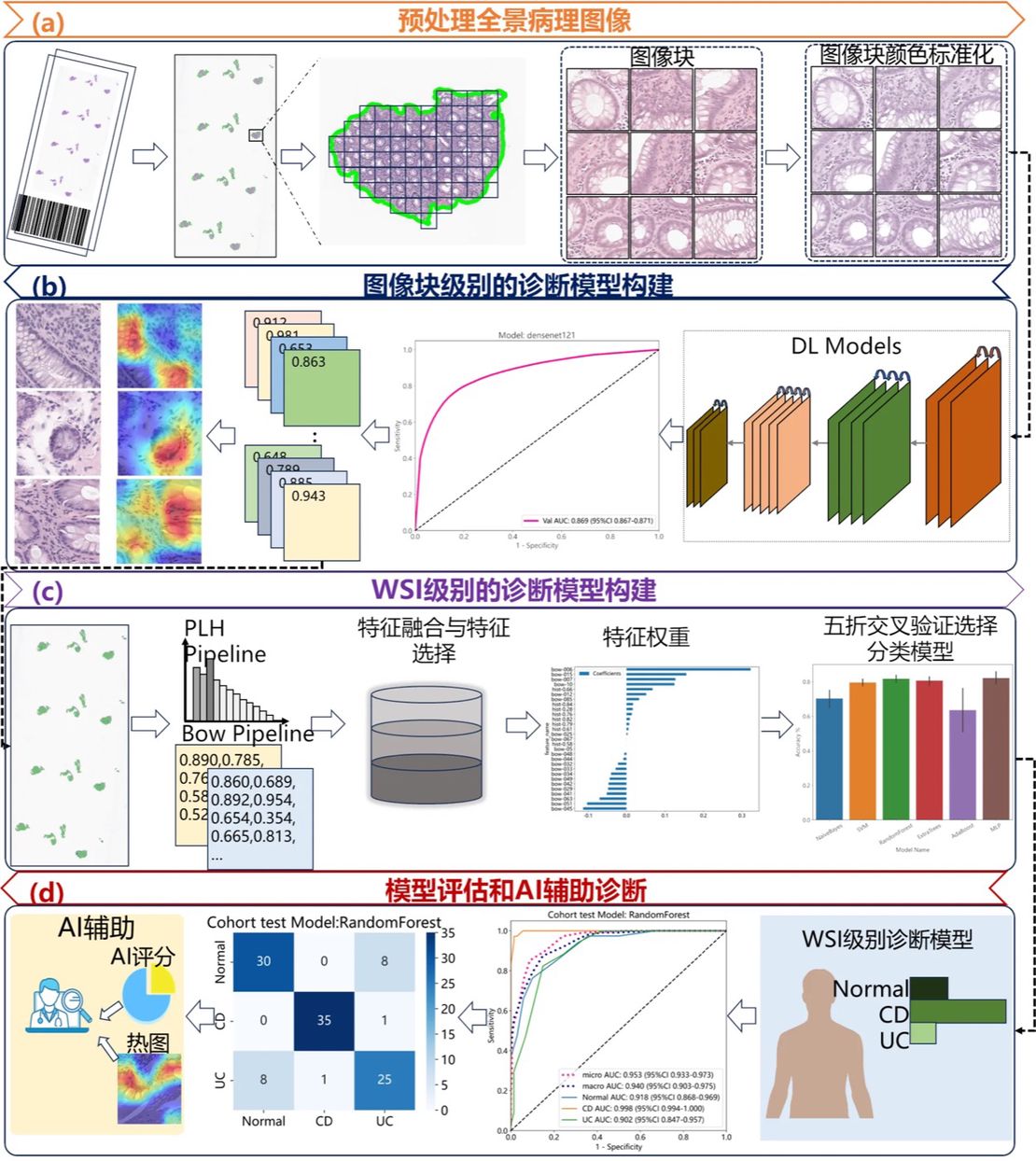
In the academic report session, many experts and scholars brought cutting-edge academic sharing, covering public health, bioinformatics and multi-omics analysis, intelligent drug design, epidemiological modeling, medical sequence information processing, clinical research and practice in the field of children’s pain, multi-modal physiological signal analysis and wearable devices, early life environment and child development cohort studies, etc., fully demonstrating the broad research space and good application prospects of the intersection of medicine and engineering in the field of children’s health.
During the free discussion session, all participants conducted in-depth exchanges on topics such as the direction of cross-cooperation between medicine and industry, application of clinical data, joint application for scientific research projects, and transformation of technological achievements, and reached a preliminary consensus on the focus of subsequent cooperation. Participants said that the two parties have a highly compatible basis for cooperation in fields such as medical artificial intelligence, bioinformatics analysis, and children’s health research, and there is broad space for future cooperation.
This medical-engineering interdisciplinary seminar established a high-quality platform for exchanges and cooperation between pediatric medicine and artificial intelligence disciplines, effectively promoted the precise connection between clinical needs and cutting-edge technologies, and laid a solid foundation for both parties to carry out in-depth scientific research cooperation and promote medical-engineering interdisciplinary innovation results to serve the cause of children’s health. In the future, the Children’s Hospital of Nanjing Medical University and IMIC Lab will continue to deepen interdisciplinary collaborative innovation, work together to explore new paths and new paradigms for the integrated development of medicine and artificial intelligence, and empower children’s health protection and medical development with technological innovation.
Translated from the original Chinese source.