The clinical medicine discipline of Nanjing University of Information Science & Technology ranks among the top 1% in the world in ESI rankings
- IMIC Lab
- News , Comprehensive news
- March 20, 2026
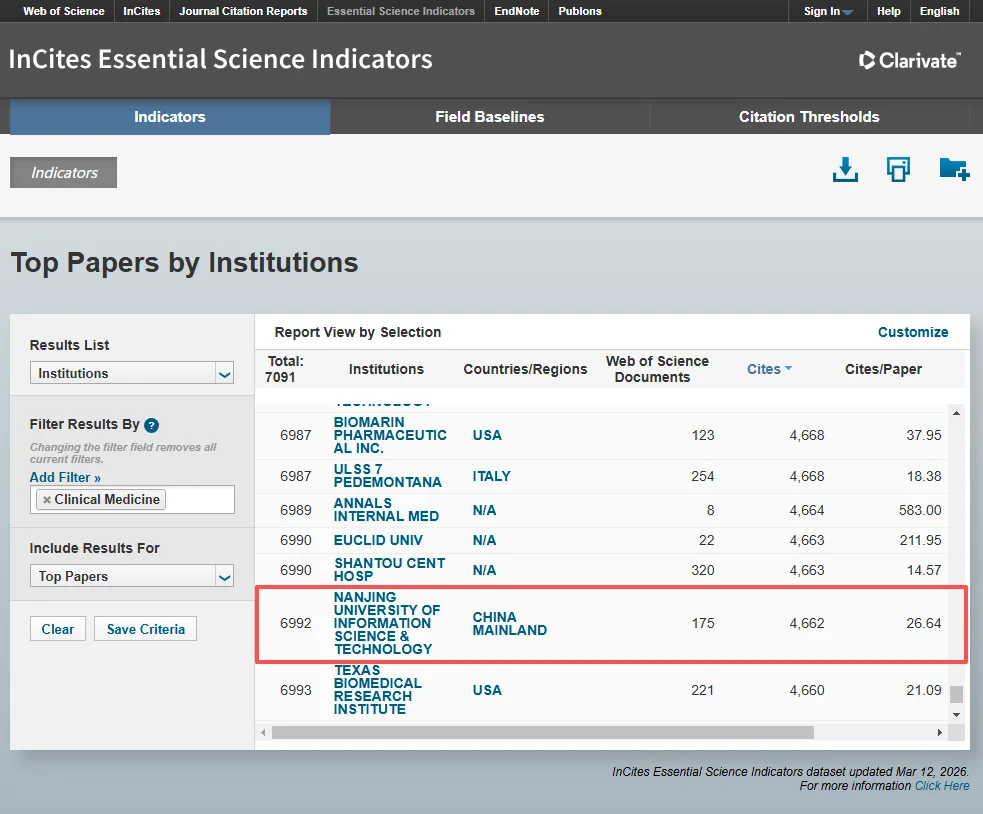
Recently, Clarivate Analytics released the latest data from the Essential Scientific Indicators Database (ESI) for March 2026. The clinical medicine discipline of our school entered the top 1% of the ESI global rankings for the first time, becoming the 11th discipline of the school to rank among the top 1% of the ESI global rankings. This breakthrough marks the remarkable results of our school’s cross-integration strategy of medicine and engineering, and the international influence of the discipline and scientific research strength have reached a new level.
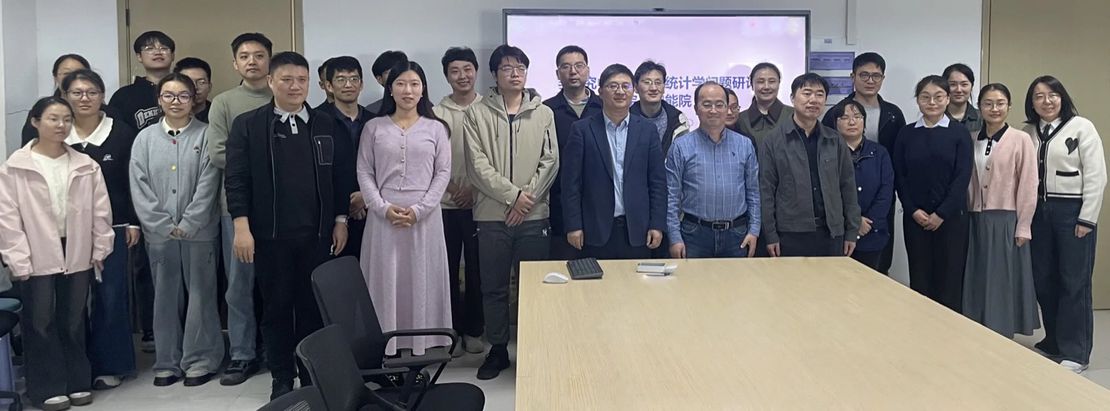
The data shows that during this statistical period, the clinical medicine discipline of our school published a total of 175 papers, with a total citation frequency of 4662 times, and 10 highly cited papers, with an average citation frequency of 26.64 times. This achievement is due to the collaborative research of multi-disciplinary teams such as the School of Artificial Intelligence (School of Future Technology), School of Computer Science, School of Software, School of Electronics and Information Engineering, School of Mathematics and Statistics, especially the continuous efforts of the multi-modal medical data analysis innovation team, and the strong support of the Jiangsu Provincial University Key Laboratory Platform for Intelligent Medical Image Computing. It also benefits from the school’s forward-looking disciplinary layout and the systematic promotion of “medical-engineering intersection, industry-education integration, and school-local collaboration.”
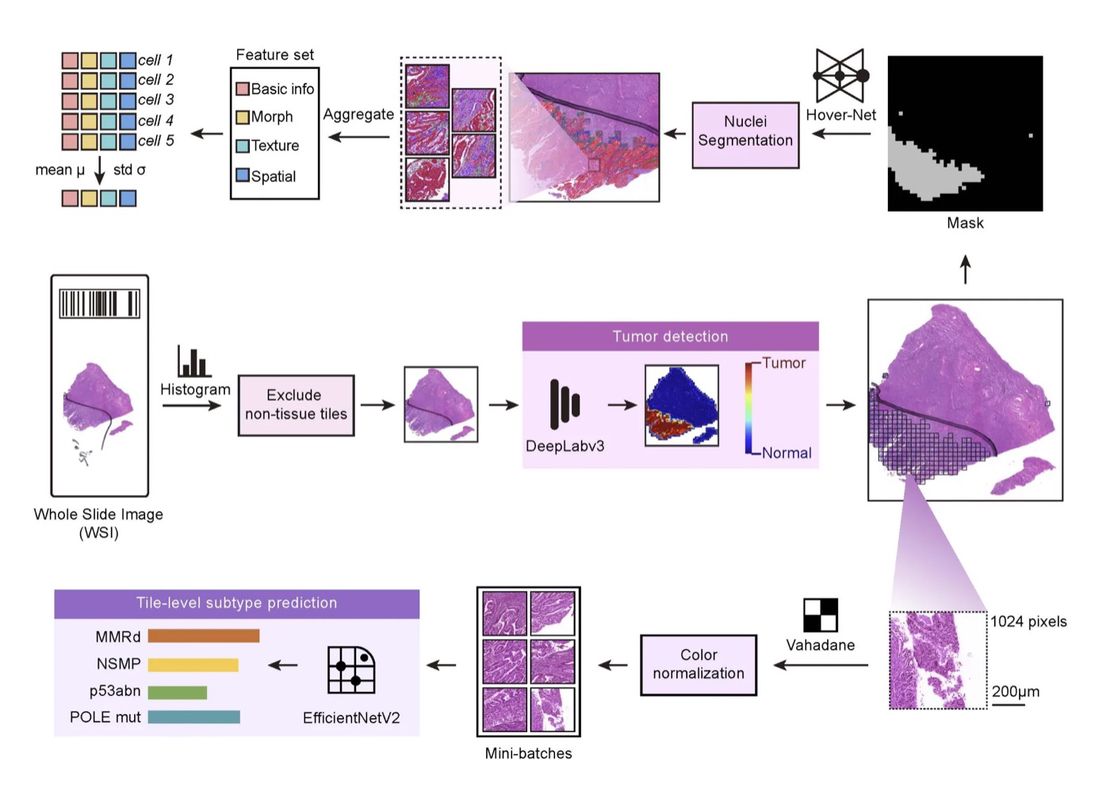
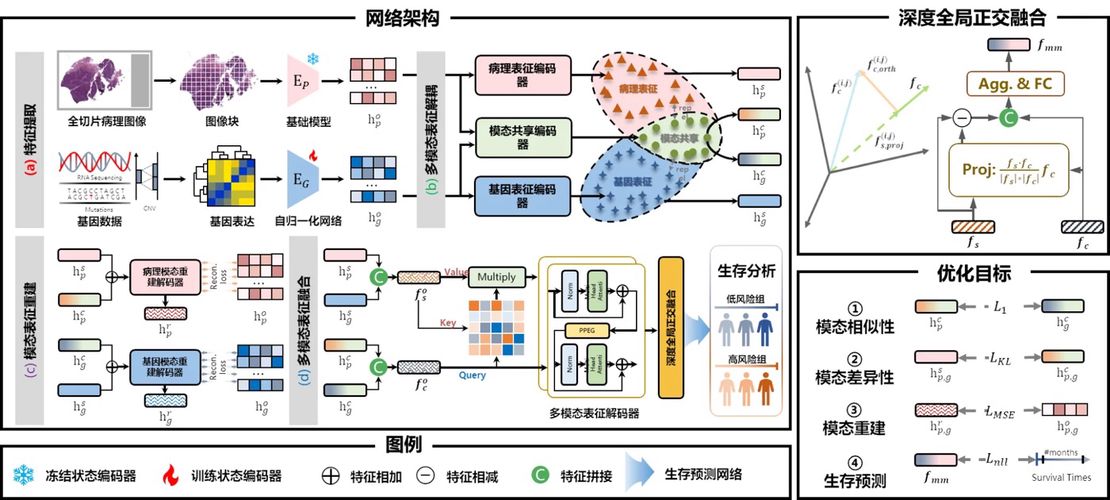
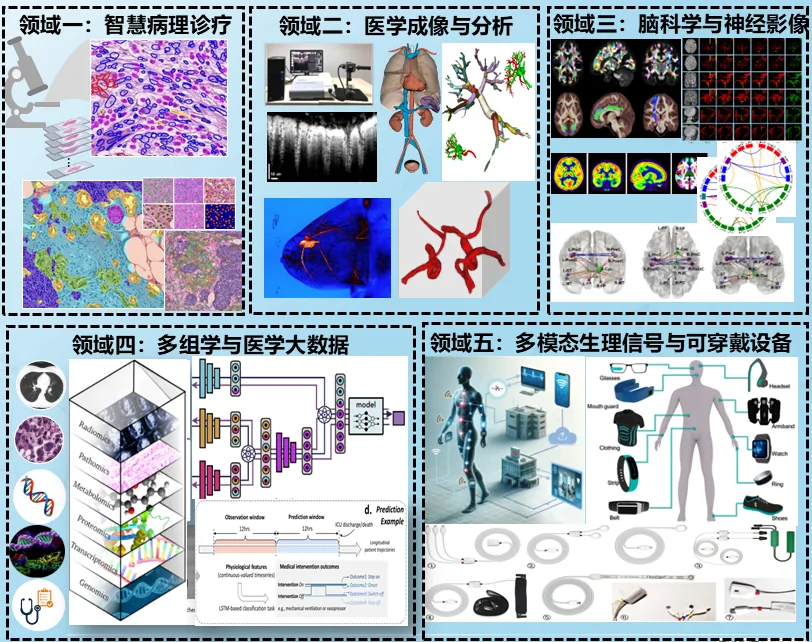
Deeply cultivate the integration of medicine and engineering, and cross-disciplinary innovative results have emerged. Professor Xu Jun of our school cooperates with Academician Teng Gaojun of Southeast University to lead the innovation team to focus on the intersection frontier of artificial intelligence, information science and medicine, and is committed to using information technology to solve core problems in the field of medicine and health. The team has undertaken a number of major national, provincial and ministerial-level scientific research tasks in cutting-edge areas such as disease prevention, diagnosis, treatment and prognosis, and published a series of high-level papers in top international journals. The research covers many cutting-edge fields such as smart pathological diagnosis and treatment, medical imaging and analysis, brain science and neuroimaging, multi-omics and medical big data, multi-modal physiological signals and wearable devices.
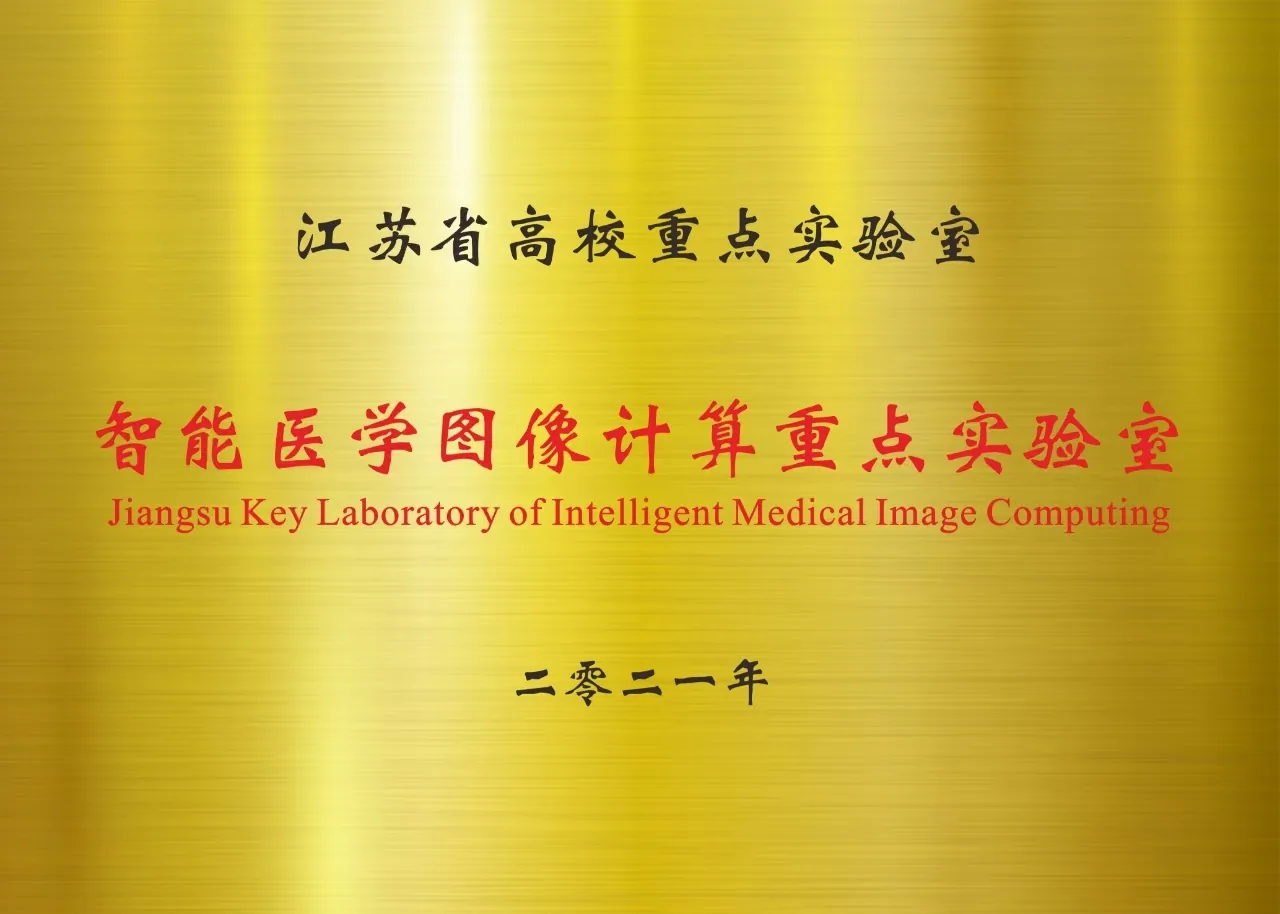
Promoting the integration of industry and education, the school-college collaboration platform has achieved remarkable results. The school has established in-depth and stable cooperative relationships with first-class medical institutions such as Zhongda Hospital Affiliated to Southeast University, Nanjing Drum Tower Hospital, and Jiangsu Provincial People’s Hospital. By jointly building physical platforms such as the “Smart Medical Research Institute” and “Intelligent Medical Image Computing Jiangsu Provincial Key Laboratory of Universities”, an efficient collaborative mechanism of “clinical problem-driven - university technology research - platform verification and transformation” has been formed, which not only provides real and massive data scenarios and key clinical verification support for clinical medical research, but also builds a solid bridge for the cultivation of high-level talents in the intersection of medicine and industry and the rapid transformation of cutting-edge technologies from the laboratory to the bedside.
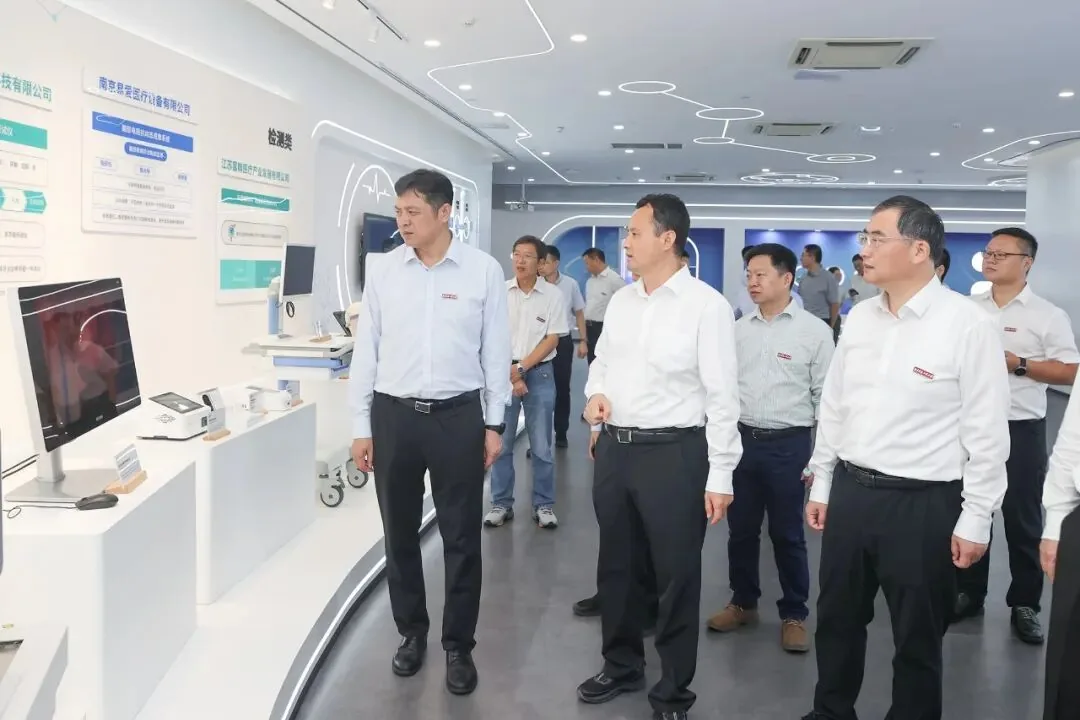
Strengthen school-site integration and improve regional development capabilities. The school is deeply connected with the construction of the “2+4+N” modern industrial system in Nanjing Jiangbei New Area, and continues to inject innovative momentum into serving the new area’s biomedicine and general health industry clusters. The school and the local government jointly create a full-chain innovation ecology in biomedicine of “talent cultivation-result research and development-concept verification-entrepreneurship incubation-industrial agglomeration”. By establishing a talent introduction liaison station, selecting academicians and experts as corporate consultants, and jointly recruiting high-level talents, we will comprehensively promote talent joint education and sharing; by setting up an employment internship base in Nanjing Biomedical Valley and building a corporate talent training base on campus, we will promote the close connection between talent training and industrial needs, and effectively transform the discipline and talent advantages into new productivity that supports local high-quality development.
It is reported that ESI is an authoritative analysis tool based on the core collection of Web of Science. It quantitatively evaluates scientific research institutions in 22 subject areas around the world by counting the number of papers produced, citation influence and other indicators. Its ranking results are widely regarded as an important yardstick for measuring the subject level and international influence of academic institutions. Up to now, 11 disciplines of our school, including Earth Science, Engineering, Computer Science, Environmental Science and Ecology, Chemistry, Agricultural Science, Materials Science, General Social Sciences, Mathematics, Botany and Zoology, and Clinical Medicine, have entered the top 1% of ESI globally. Among them, 4 disciplines of Earth Science, Computer Science, Environmental Science and Ecology, and Engineering have ranked among the top 1‰ in the world, and the overall strength of the disciplines has continued to improve.
This time, the clinical medicine discipline has entered the top 1% in the world, which is another landmark achievement of our school’s “double first-class” construction and reflects the “Nanxin Features” of the integrated development of “artificial intelligence + medicine”. The school will take this breakthrough as an opportunity to continue to deepen innovation in the integration of medicine and engineering, strengthen scientific research in the field of smart medical care, and strive to cultivate high-level cross-medical and engineering talents to provide a solid guarantee for serving the “Healthy China” strategy, promoting the development of regional medical and health undertakings, and supporting the construction of the 1650 industrial cluster in Jiangsu Province and the biomedical industry cluster in Jiangbei New District.
This article is reproduced from “Tianji News” of Nanjing University of Information Science & Technology: https://news.nuist.edu.cn/info/1002/129384.htm
Translated from the original Chinese source.