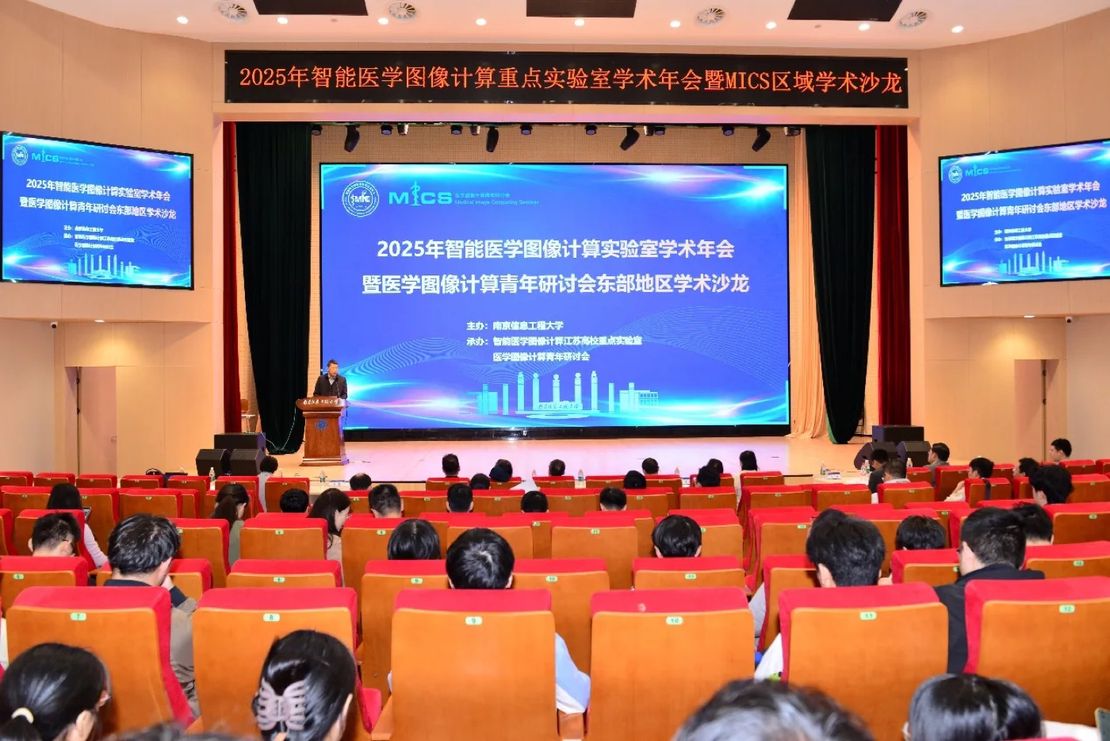
The seminar on mathematics and statistical issues in medical research and the interdisciplinary symposium on science, engineering and medicine were successfully held
- IMIC Lab
- News , Comprehensive news
- November 12, 2025
In order to promote interdisciplinary scientific research cooperation and academic resource sharing, the School of Mathematics and Statistics of Nanjing University of Information Science & Technology (referred to as the “Digital Institute”) and the Key Laboratory of Intelligent Medical Image Computing of the School of Artificial Intelligence (referred to as the “Intelligent Institute”), together with Jiangsu Provincial Hospital of Traditional Chinese Medicine and Nanjing First Hospital, jointly held a “Symposium on Mathematics and Statistics in Medical Research and an Interdisciplinary Symposium on Science, Engineering and Medicine” in the A1717 conference room of Linjiang Building on the afternoon of November 11, 2025. Teachers, scholars and clinical experts from the three fields of our school’s science and engineering colleges and cooperative clinical hospitals gathered together to launch an interdisciplinary “brainstorm” around cutting-edge issues in multiple fields, injecting new impetus into collaborative innovation and cooperation in related disciplines.
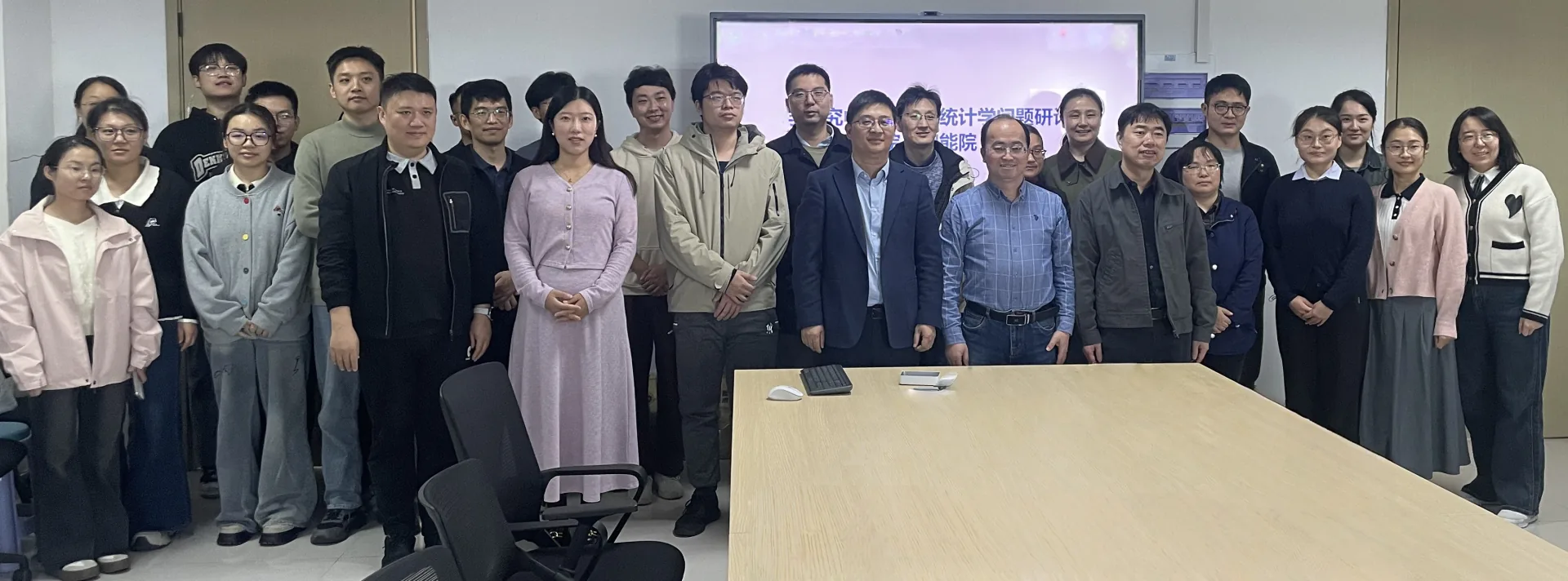
At the beginning of the meeting, Professor Liu Wenjun from the School of Mathematics and Statistics and Professor Xu Jun from the School of Artificial Intelligence delivered speeches respectively, giving a systematic introduction to the research directions and teams of the two schools in the fields of mathematics, statistics, and the intersection of artificial intelligence and medicine. Both parties agreed that the interdisciplinary integration of science, engineering, and medicine, especially in the clinical application of mathematical modeling, statistical analysis, medical image analysis, machine learning, multimodal physiological signal analysis, and artificial intelligence algorithms, has broad prospects. In the future, they will further strengthen cooperation, focus on cutting-edge research on major disease prevention and medical artificial intelligence, and promote interdisciplinary collaborative development through project co-construction, resource sharing, and joint scientific research.
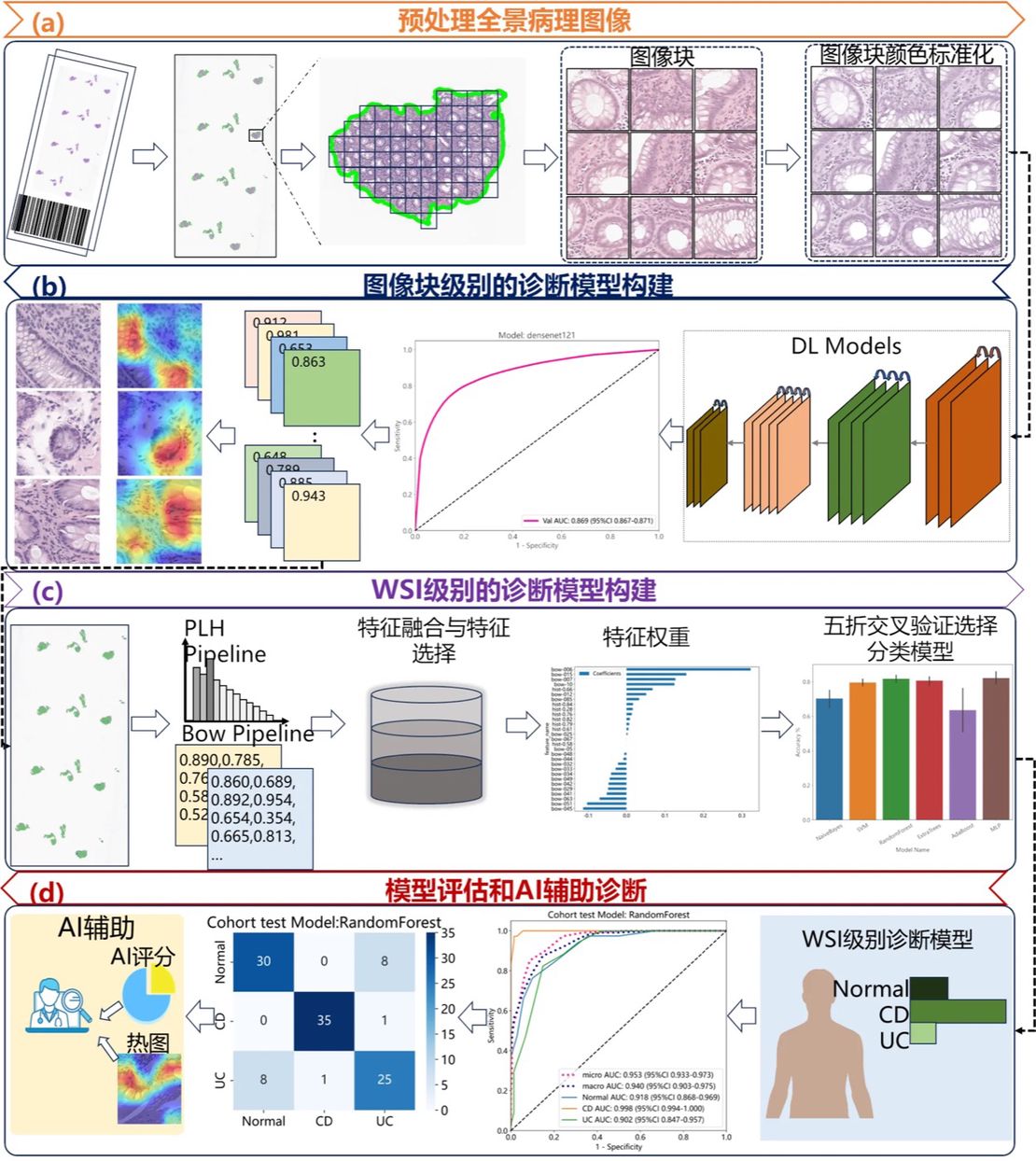
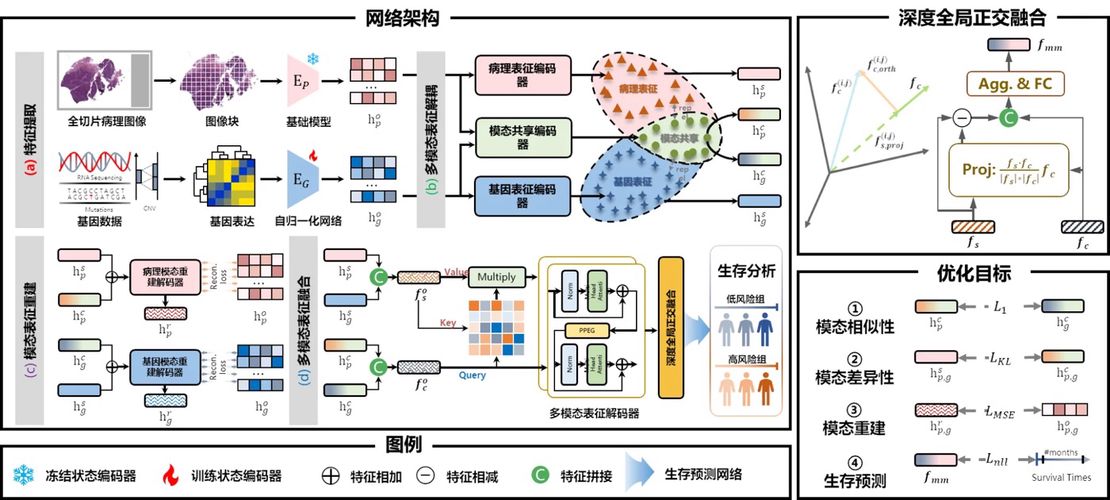
Subsequently, the conference entered the special report session, with five major topics covering cutting-edge directions such as diagnosis, treatment and evaluation of vascular diseases, statistical analysis and applications, image processing and analysis, time series data analysis, computing algorithms and applications. in In the topic “Diagnosis, Treatment and Evaluation of Vascular Diseases”, participating medical experts shared the latest research progress on topics such as multimodal assessment of carotid plaque vulnerability (Huang Hui), imaging analysis of stroke reperfusion (Hu Hui), application of artificial intelligence in cerebrovascular diseases (Zhu Yuan), and construction of cross-domain integrated intelligent diagnosis and treatment systems (Zou Jianjun); the topic “Statistical Analysis and Application” focused on the study of multi-omics data computational biology methods (Yu Jiating), complex data systems Computer analysis and its application (Wang Xiaorui), statistical modeling and biomedical application of dependent censored survival data (Yu Huazhen) and other cutting-edge topics; the “Image Processing and Analysis” topic focuses on the enhancement and segmentation of low-quality images: algorithm exploration from general scenes to medical applications (Ma Qianting), feature engineering in pathological image analysis (Jiao Yiping), multi-sequence magnetic resonance image feature extraction and analysis methods (Xuan Kai), PET brain template construction and its application in epilepsy diagnosis Key technologies such as applied research in the diagnosis and treatment of acute ischemic stroke (Sun Jiarui) are discussed; the “Time Series Data Analysis” topic covers medical models based on pulse waves and their applications (Wu Bin), automatic sleep data analysis based on multi-modal signals (Zhou Wei), application research of generative artificial intelligence in electronic medical record data mining (Li Jin), and interdisciplinary research on wearable multi-modal physiological signals (Li Jin) Liu Hui), the application of artificial intelligence in brain disease analysis (Huang Yunzhi), etc.; the “Computing Algorithm and Application” topic shared the basic theory and technical application of matrix computing (Xu Weiwei), X-ray spectrum CT imaging forward process modeling and inverse problem solving (Pan Huiying), the application of accelerated algorithms in isogeometric analysis and fluid-structure coupling numerical calculations (Chen Kewang), transfer learning method research and application (Song Fengli) and other theoretical results and practical applications.
The reports of more than 20 interdisciplinary and interfaculty experts and scholars in the fields of science, engineering, and medicine closely followed the cutting-edge of the discipline and fully demonstrated the innovative application potential of mathematics, statistics, and artificial intelligence technology in medical research.
During the free discussion session, participating science and engineering teachers and clinical experts as well as graduate students from the School of Mathematics and Statistics, the School of Artificial Intelligence, and Nanjing University of Traditional Chinese Medicine conducted in-depth exchanges on topics such as research topics of interest, scientific research cooperation, experimental resource sharing, and joint application for scientific research projects. Everyone agreed that the Institute of Digital Statistics and the Institute of Intelligence are highly compatible in research directions such as medical data statistical analysis, intelligent image processing, and time series data analysis, and there is broad room for cooperation. All parties will take this exchange meeting as an opportunity to establish a regular communication mechanism and jointly promote interdisciplinary collaborative research.
This exchange meeting not only deepened the mutual understanding and professional consensus between teachers from the School of Statistics and the School of Intelligence in the interdisciplinary fields of science, engineering, and medicine, but also laid a solid foundation for interdisciplinary and scientific research collaborative innovation in the fields of mathematics, statistics, and artificial intelligence. Both parties made it clear that they will use this meeting as a starting point to further deepen interdisciplinary cooperation and jointly explore new paths and directions for scientific and technological innovation.
Translated from the original Chinese source.