A multidisciplinary team of IMIC laboratories and environmental sciences proposed a protein interaction network framework that can reveal chemical toxicity
- IMIC Lab
- News , Comprehensive news
- November 8, 2025
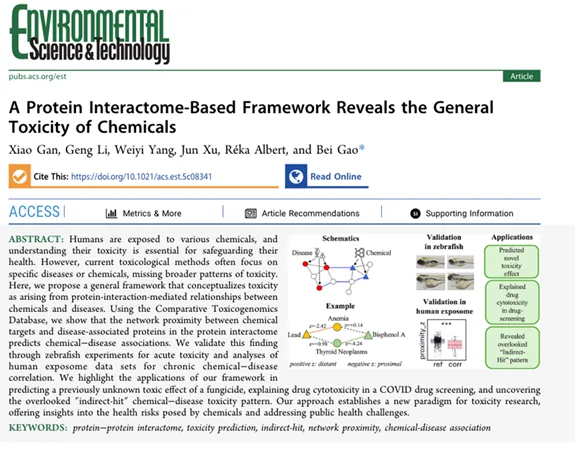
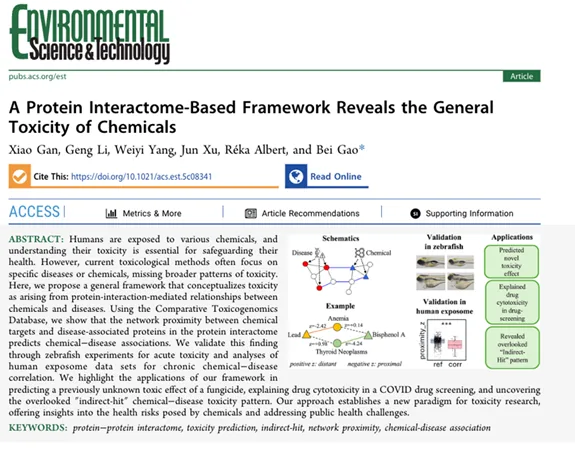
Recently, Professor Gan Xiao, Jiangsu University Key Laboratory of Intelligent Medical Image Computing, School of Artificial Intelligence, Nanjing University of Information Science & Technology, and Associate Professor Gao Bei, School of Environmental Science and Engineering, collaborated in a multidisciplinary team to publish a research paper titled “A Protein Interactome-Based Framework Reveals the General Toxicity of Chemicals” in Environmental Science & Technology, a top journal in the field of environmental science. This paper establishes a common toxicology theory and toxicity prediction method for chemicals based on the human protein interaction network (PPI). It reveals the common laws of diseases caused by chemicals from a systemic level for the first time and establishes a new multidisciplinary toxicology research paradigm.
Research background
Understanding the toxicity of chemicals is a core need to protect public health. At present, the number of new chemicals in the fields of medicine, agriculture, and industry is increasing rapidly, and traditional toxicological assessment methods are no longer able to cope with it. Traditional methods rely on vertebrate animal experiments, which are not only time-consuming, expensive, and low-throughput, but also involve ethical controversies. They are also unable to reveal the complex toxicological mechanisms in which multiple proteins are synergistically involved. Existing computational toxicology methods have significant limitations. For example, many modeling are “black box models” that lack clear explanations of toxicity mechanisms; screening methods based on specific targets (such as ToxCast, Tox21) can only capture the effects of chemicals on direct binding proteins, but cannot capture the indirect effects mediated by the protein interactome (PPI). Therefore, there is an urgent need for theoretical frameworks and methods to reveal the toxicological mechanisms of chemicals and diseases from a global perspective and to establish a mechanistic and universal method for predicting the toxicity of chemical drugs.
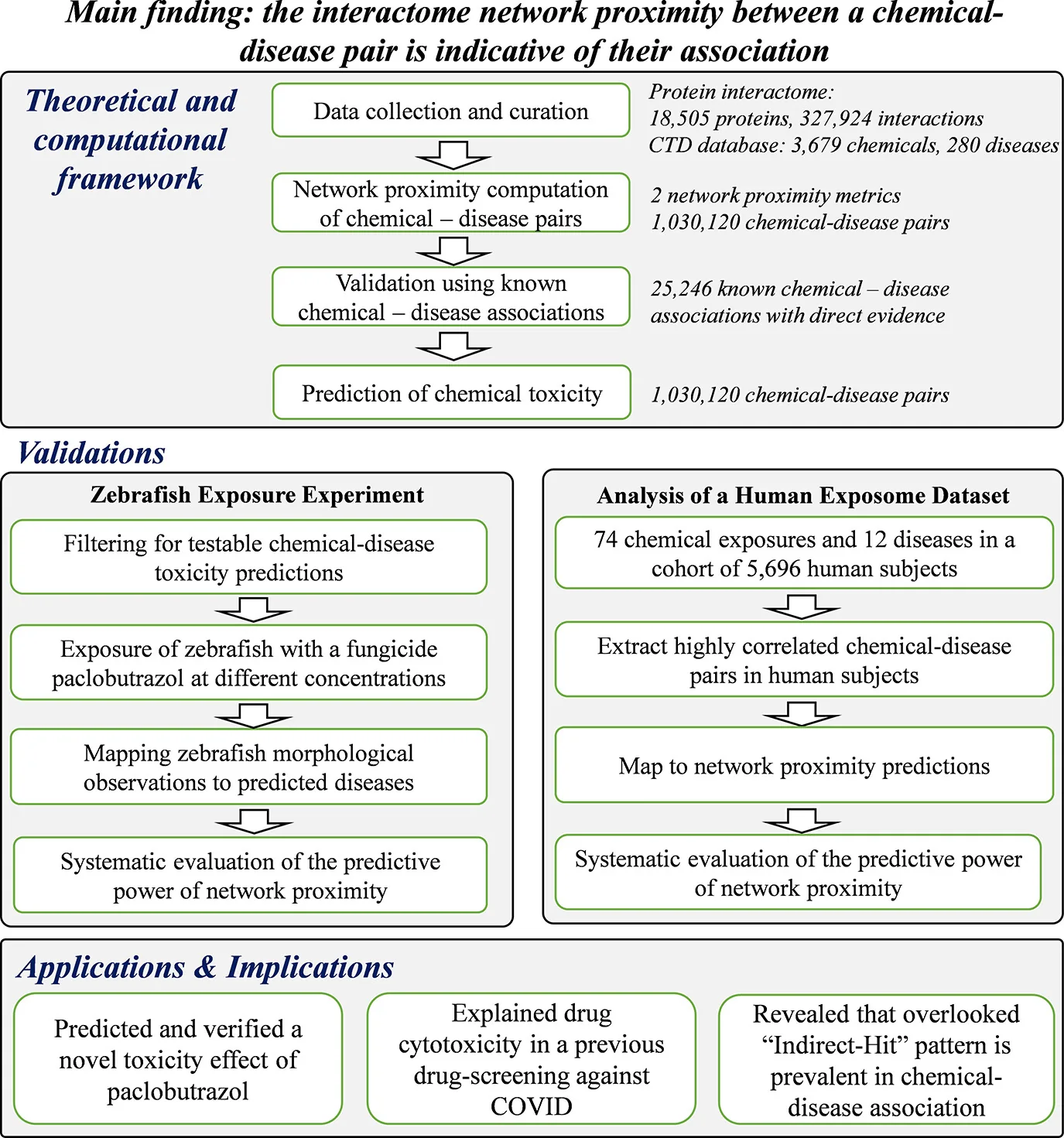
Figure 1. Logical framework of the paper and summary of main results
Research results
In this paper, the joint team of Professor Gan Xiao and Associate Professor Gao Bei proposed a theoretical framework based on the human protein interaction network, revealing that the toxicity of chemical drugs can be universally explained by the topological proximity between compound targets and disease-associated protein modules. The paper first proposed that the closer a chemical target is to a disease-associated protein on the human PPI network, the more likely the chemical is to induce the disease. By comparing 3679 chemicals and 280 disease data in the Toxicogenome Database (CTD), the system verified that network proximity has a universal and strong predictive ability for chemical-disease associations. The overall AUROC was significantly better than the random level, and it had the ability to predict 99.3% of diseases and 98.7% of chemical categories, with the highest AUROC reaching 0.79.
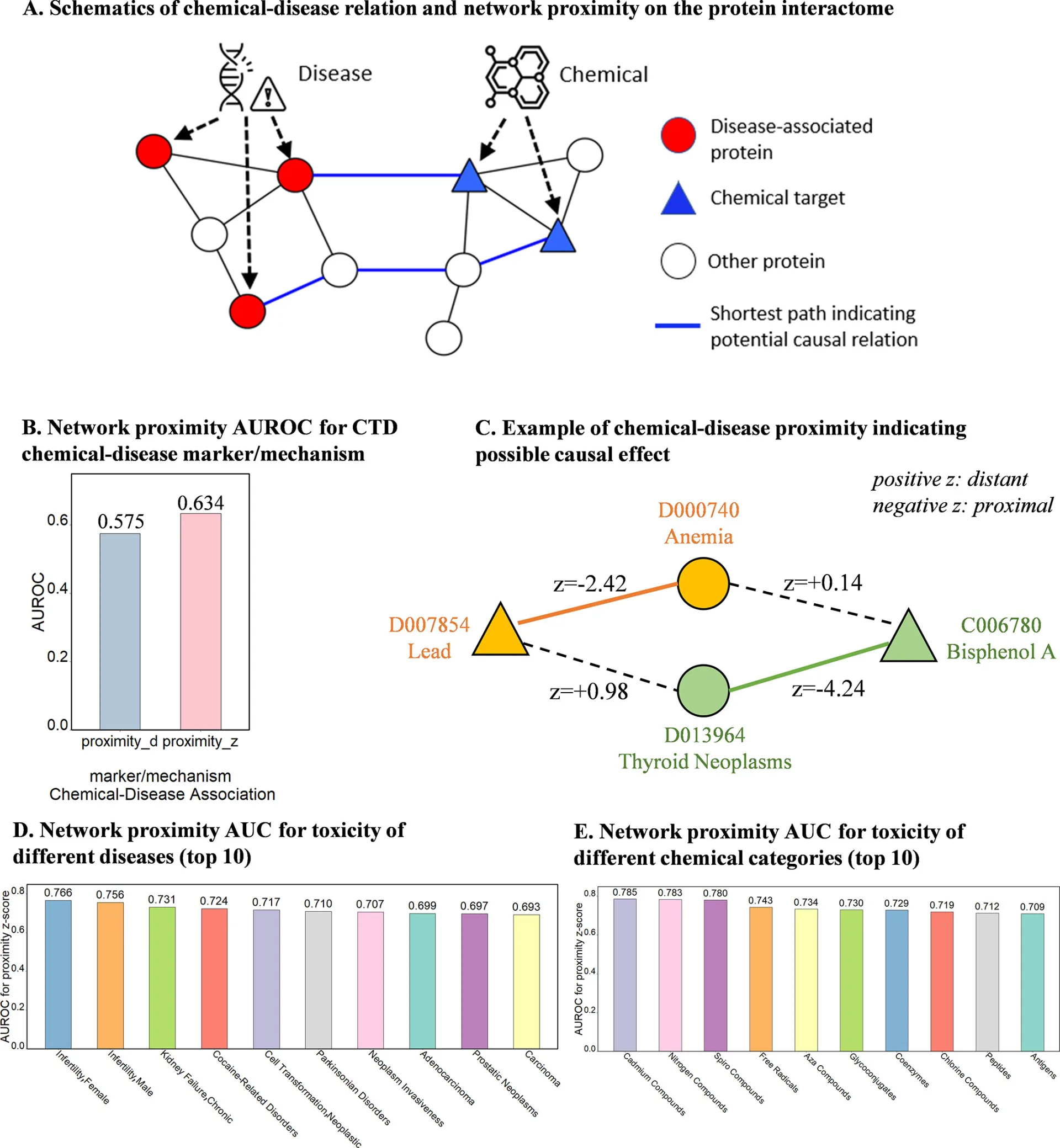
Figure 2. The paper proposes a chemical toxicology theoretical framework based on human protein interaction network and big data verification
Subsequently, the paper took paclobutrazol (a pesticide) as an example, and through zebrafish acute toxicity experiments, it verified that its morphological abnormalities were highly consistent with the network-predicted diseases, confirming the theoretical framework’s accurate prediction of acute toxicity. At the same time, through human exposome data analysis, the paper confirmed that 36 groups of chemical-chronic disease pairs with significant correlations conform to the network proximity law, systematically verifying the effectiveness of this theoretical framework on chronic diseases.
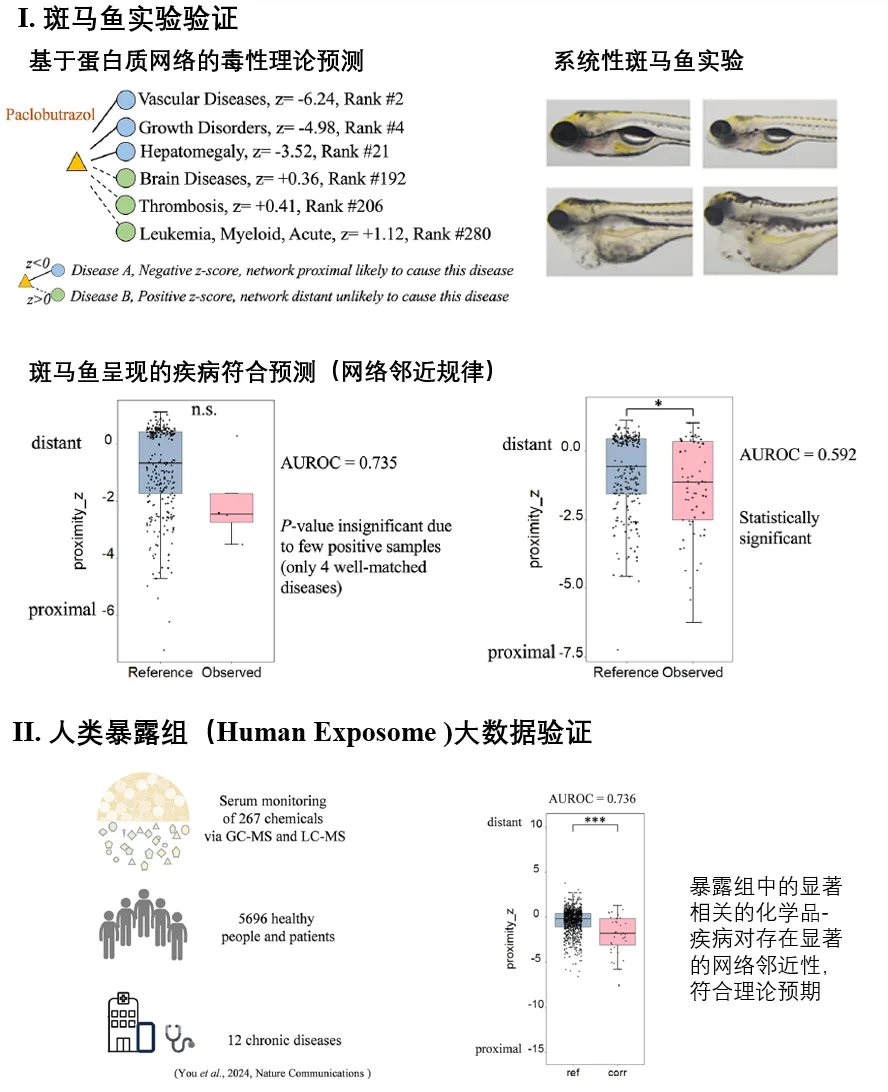
Figure 3: The paper proposes a chemical toxicology theoretical framework based on human protein interaction network and big data verification
Then, by applying the network proximity rule for prediction, the paper reveals for the first time that paclobutrazol has the toxicity to increase blood sugar and reduce insulin, proving that PPI can be used as an effective tool to discover new toxicities of chemicals. At the same time, the application of network proximity law can explain the toxic drugs in COVID drug experiments. Finally, the paper confirms that the chemical-toxicity prediction method based on network proximity rules can successfully capture the toxicological/pharmacological patterns of “indirect hits”, clarifies that currently commonly used screening research methods for specific targets cannot capture most toxicological and pharmacological patterns, and demonstrates the superiority of toxicological/pharmacological research methods based on network indirect relationship methods. The above applications prove that the theoretical framework proposed in this paper has significant application potential in the direction of chemical health risk assessment and drug safety evaluation.
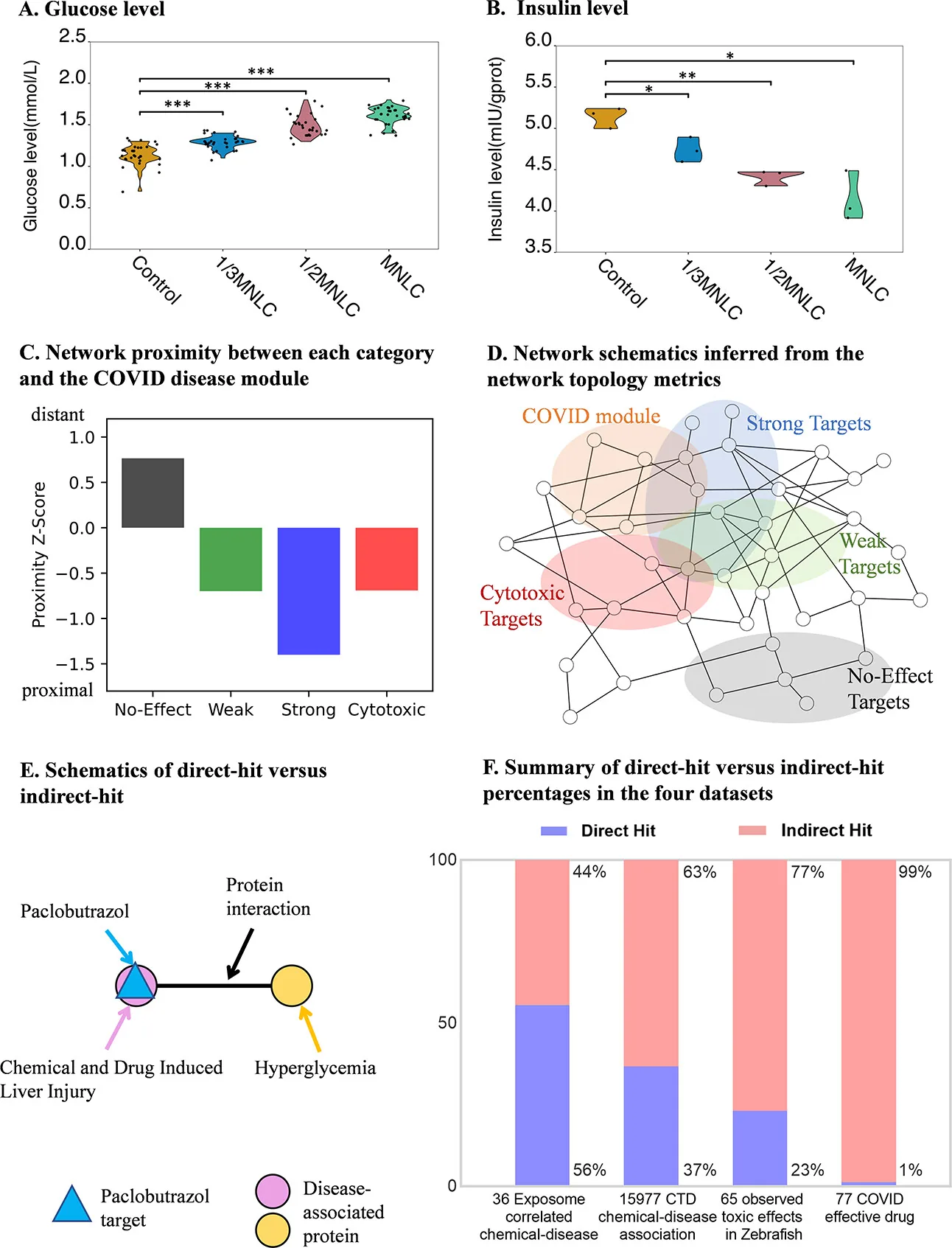
Figure 4: The new theory proposed in this article has achieved the following applications: (1) Predict and experimentally confirm new toxicity of chemicals; (2) Reveal drug toxicity in COVID-19 drug experiments; (3) Reveal that most chemical toxicology comes from indirect protein interactions, not direct targeting effects.
Significance and prospects
For the first time, this study raised the new scientific issue of common toxicological laws of chemicals from a systematic level, and achieved a complete closed-loop scientific research through “big data - theory - experimental verification - application” and systematically verified it. This research has advanced from the traditional chemical structure level to the protein network regulation level, established a new multidisciplinary toxicological research paradigm, and provided new tools for environmental pollutant risk assessment, drug side effect prediction, and new chemical safety evaluation. This study further reveals the common topological proximity relationship between toxicology and pharmacology on the protein network, suggesting the homology between toxicology and pharmacology from the perspective of protein interaction, which is expected to lead to new research directions. In the future, multi-modal data (such as chemical dose-response relationships, single-cell sequencing data) and artificial intelligence technology can be combined to further improve the accuracy, interpretability and automation of toxicity prediction, provide systematic solutions to cutting-edge challenges in the field of environmental health, and promote innovative development of chemical safety and public health research.
Introduction to the author of this article
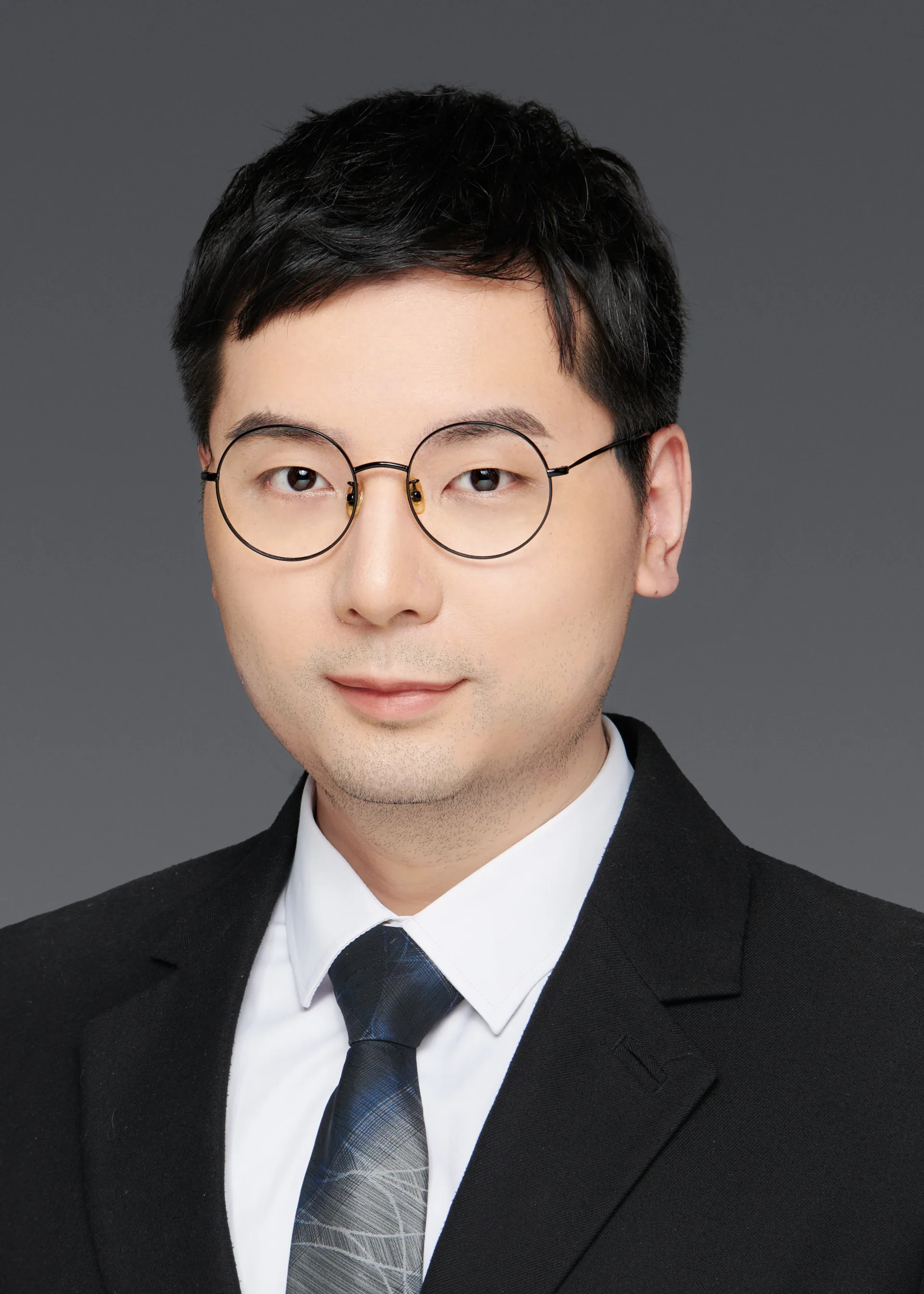
Gan Xiao is a professor at the School of Artificial Intelligence at Nanjing University of Information Science & Technology, director of the Department of Intelligent Medical Engineering, Jiangsu Distinguished Professor, and a core member of the Jiangsu University Key Laboratory of Intelligent Medical Image Computing and the Intelligent Medical Research Institute. He received his PhD from the Department of Physics at Pennsylvania State University in the United States, where he studied under Professor Réka Albert, an academician of the National Academy of Sciences, and Professor Albert-László Barabási, a founder of network science and an academician of the National Academy of Sciences. He is engaged in interdisciplinary research on network science and biomedicine, focusing on how to establish mathematical models to reveal the overall mechanism of multi-scale biological complex systems through biological networks and their topological properties. He has published 10 papers in high-level journals such as Science Advances, PNAS, Environmental Science & Technology, and PLOS Biology, and has been cited more than 1,000 times by Google Scholar. The research results were selected into the “Top Ten Academic Progress of Traditional Chinese Medicine in 2023” by the China Association of Traditional Chinese Medicine, and 2 papers were selected as ESI highly cited papers.

Gao Bei is an associate professor at the School of Environmental Science and Engineering at Nanjing University of Information Science & Technology. He is a candidate for Project 333 of the Jiangsu Provincial High-Level Talent Training Program and a candidate for the Purple Mountain Talents Program. He holds a PhD from the Department of Environmental Health at the University of Georgia in the United States. He studied under Professor Kun Lu, an environmental toxicologist, and published more than 40 journal papers as the first author or corresponding author (including co-first author/correspondence), including Nature Communications, Environmental Health Perspectives, Environmental Science & Technology, etc., with a total of more than 5,400 citations in Google Scholar and an h-index of 37. Selected into the “World Top 2% Scientists” selected by Stanford University in 2022, 2023, 2024, and 2025. He is currently the deputy editor-in-chief of Frontiers in Nutrition magazine and an editorial board member of Environmental Health Perspectives and Metabolites magazines.
Link to the paper: https://pubs.acs.org/doi/10.1021/acs.est.5c08341
Translated from the original Chinese source.