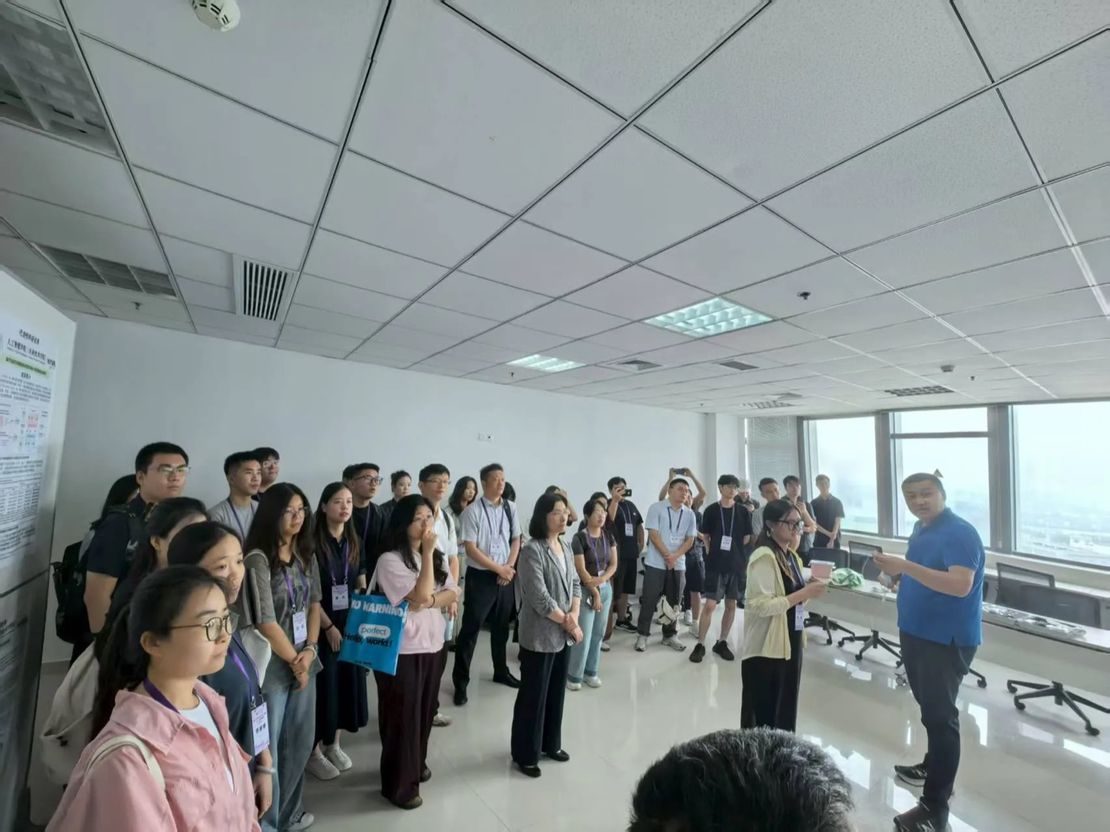
Chemical Materials and Artificial Intelligence: Interdisciplinary Academic Exchange Successfully Held

In order to promote the intersection of disciplines and promote the in-depth integration of artificial intelligence and chemical materials disciplines in cutting-edge fields such as smart medical care, on October 21, the Jiangsu University Key Laboratory of Intelligent Medical Image Computing in the School of Artificial Intelligence and the School of Chemistry and Materials jointly held an academic exchange meeting in the A1717 conference room of Linjiang Building. Relevant teachers from the two colleges gathered together to conduct in-depth discussions on the innovative applications of artificial intelligence, chemistry, and materials science in medical care, life sciences and other fields.
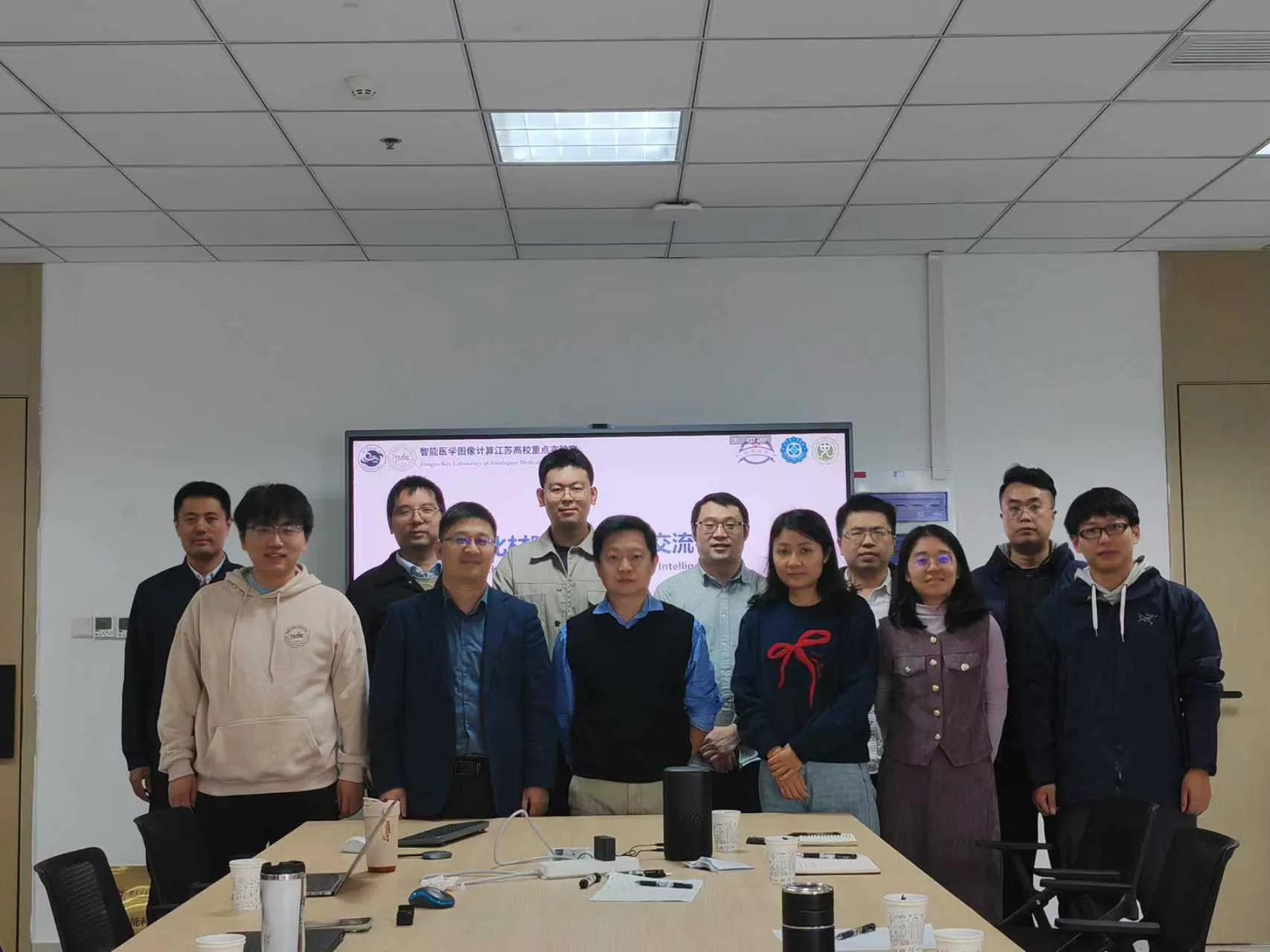
Chemical Materials and Artificial Intelligence: Interdisciplinary Academic Exchange Successfully Held

At the meeting, Professor Geng Dongsheng from the School of Chemistry and Materials and Professor Xu Jun from the School of Artificial Intelligence delivered speeches respectively, systematically introducing the scientific research directions, representative results, and related research progress of their respective teams. Both parties agreed that artificial intelligence and chemical materials science are naturally complementary in research paradigms. In the future, they will continue to promote interdisciplinary collaborative innovation through joint scientific research and resource sharing, and explore in physiological signal analysis, wearable devices, drug synthesis and other directions.

In the academic report session, experts and scholars exchanged views on multiple cutting-edge directions such as artificial intelligence, chemical materials, and biomedicine. The report content covered multi-scale biological complex network modeling, research on flexible electronic materials and sensors, construction and application of artificial intelligence-driven drug discovery systems, and the application of multifunctional nanomaterials in tumor immunotherapy. AI retrosynthesis, near-infrared second-zone photodiagnosis and treatment, full-process clinical decision support for lung cancer, high-performance medical polymer materials, medical time-series data analysis, visible light-driven chiral small molecule catalysis and transformation, multi-omics data mining and precise intelligent research on tumors, efficient synthesis of silicone/germanium compounds based on olefin bifunctionalization strategies, etc., fully demonstrate the development prospects in new wearable materials, AI-driven material synthesis and design.

During the free communication session, participating teachers had in-depth exchanges on scientific research cooperation mechanisms, experimental resource sharing, joint project application, etc. It is generally believed that the two parties have broad space for cooperation in the fields of smart materials, medical artificial intelligence, and data-driven chemical design.

This exchange meeting not only deepened the mutual understanding between the teachers of the two teams, but also laid a solid foundation for promoting interdisciplinary and scientific research collaboration. Both parties stated that they will continue to deepen cooperation and jointly explore new paths and new paradigms of scientific and technological innovation.
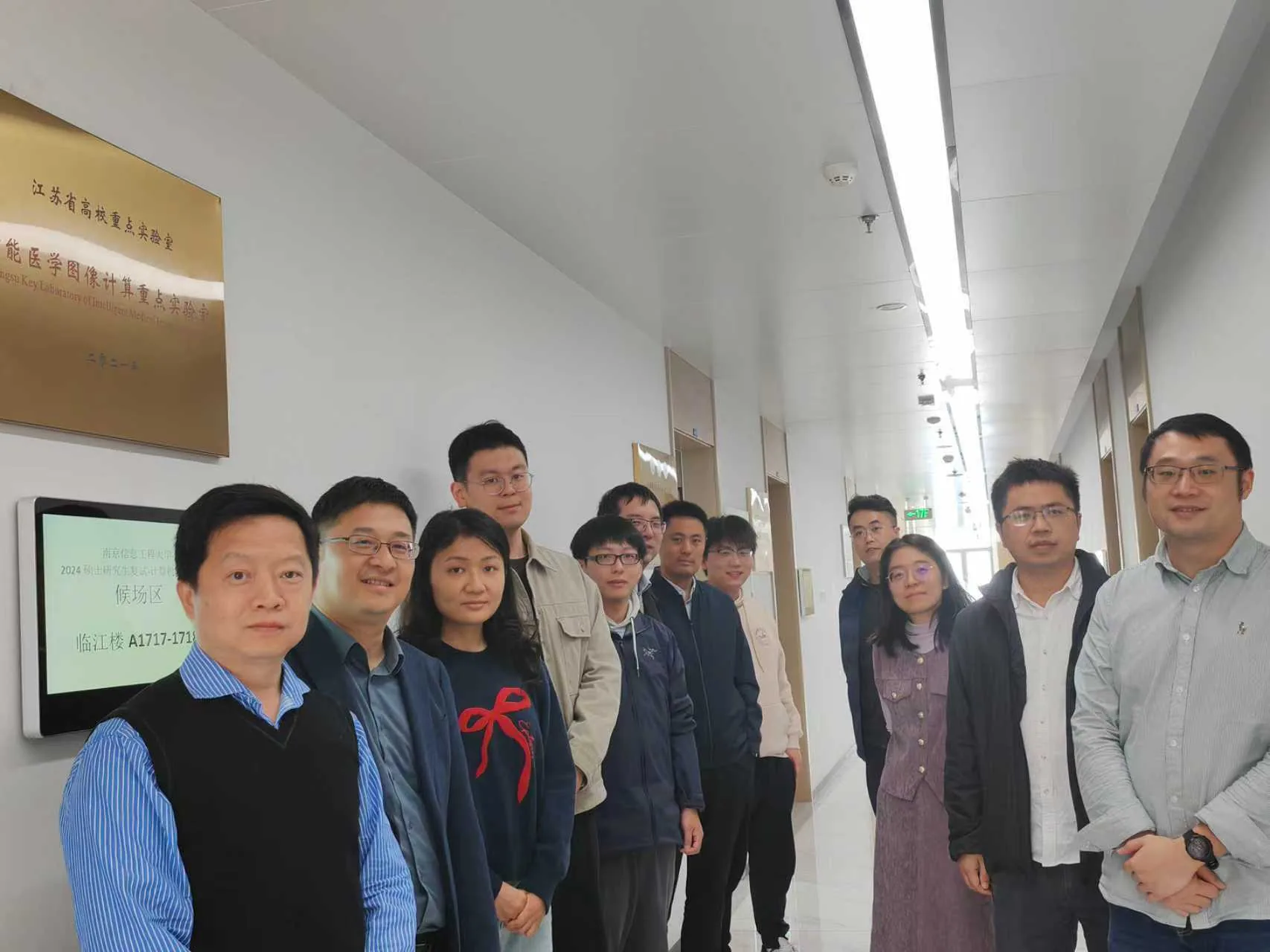
Chemical Materials and Artificial Intelligence: Interdisciplinary Academic Exchange Successfully Held


Translated from the original Chinese source.
Tags :
Share :

Related Posts

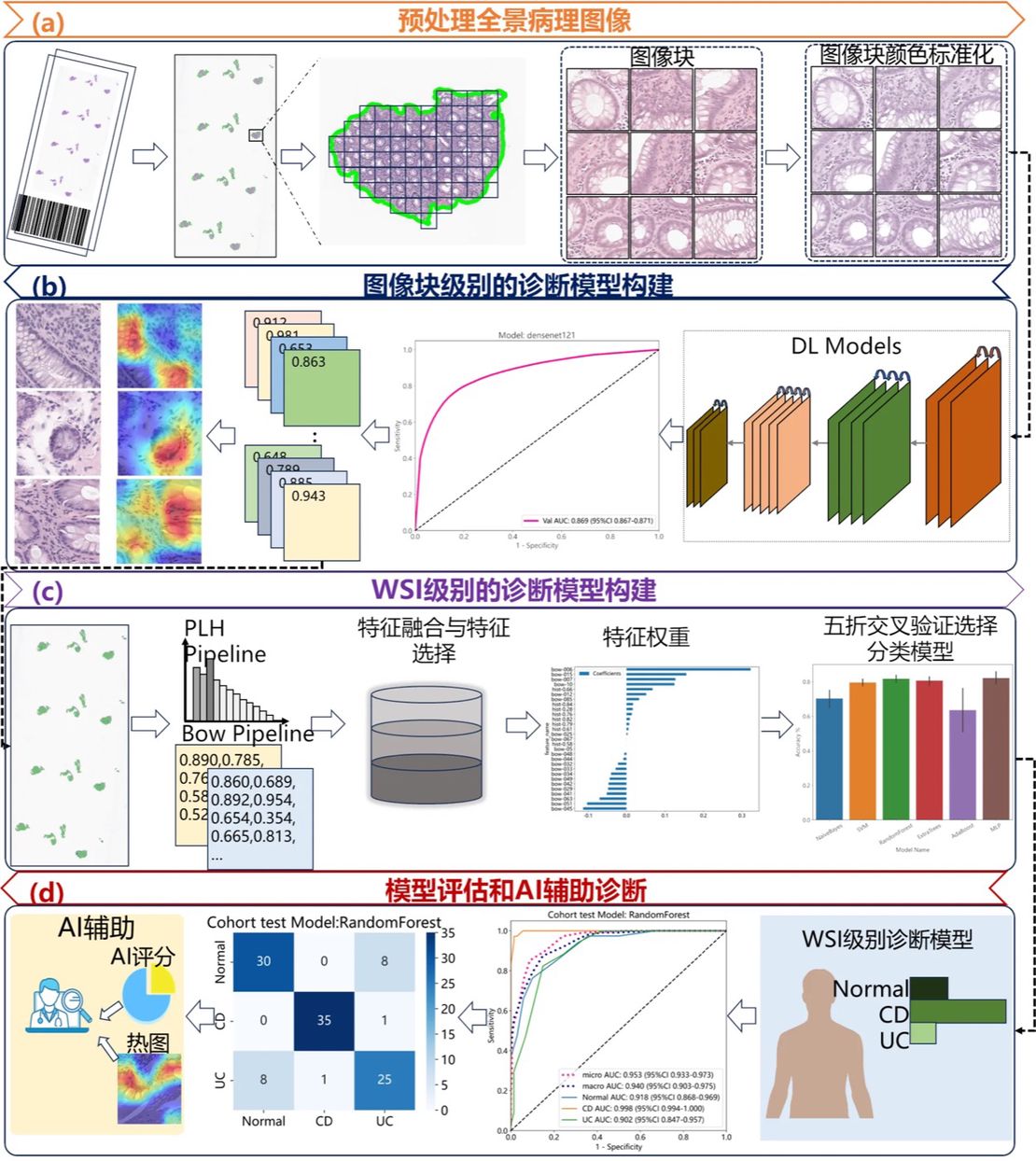
The intelligent diagnosis model based on biopsy pathology developed by Dr. Chengfei Cai of IMIC Lab can significantly improve the clinical diagnosis efficiency of inflammatory bowel disease.

The intelligent diagnosis model based on biopsy pathology developed by Dr. Chengfei Cai of IMIC Lab can significantly improve the clinical diagnosis efficiency of inflammatory bowel disease.

The paper “IBDAIM: Artificial intelligence for analyzing intestinal biopsies pathological images for assisted integrated diagnosis of inflammatory bowel disease” by Dr. Cai Chengfei of Jiangsu University Key Laboratory of Intelligent Medical Image Computing (IMIC) was accepted by the International Journal of Medical Informatics. This result is the latest research result of cross-medical collaboration between the IMIC Lab (Professor Xu Jun’s team) and the Pathology Department of Drum Tower Hospital Affiliated to Nanjing University School of Medicine (Director Sun Qi’s team). It provides a new AI solution for the auxiliary diagnosis of inflammatory bowel disease. Current research in the field of computational pathology has made significant progress in the field of tumor pathology, but there are still obvious deficiencies in research on non-neoplastic lesions (especially inflammatory lesions). In particular, the identification and detection of intestinal inflammatory lesions face many challenges.

Read More
The closing ceremony of the 3rd Nanjing University Brain Imaging Science and Artificial Intelligence Summer Training Camp was held at our school

The closing ceremony of the 3rd Nanjing University Brain Imaging Science and Artificial Intelligence Summer Training Camp was held at our school

On the afternoon of August 13, 2025, hosted by Nanjing Gulou Hospital, Nanjing University of Information Science & Technology-Nanjing Gulou Hospital Intelligent Imaging Research Institute, Jiangsu University Key Laboratory of Intelligent Medical Image Computing (IMIC), Nanjing University Brain Science Research Institute, Nanjing University Medicine The closing ceremony of the “Third Nanjing University Brain Imaging Science and Artificial Intelligence Undergraduate Summer Training Camp” co-organized by the Department of Medical Imaging of the Affiliated Gulou Hospital and the Nanjing Applied Mathematics Center-Drum Tower Hospital Medical Imaging Joint Laboratory was held in the lecture hall of Area D, Linjiang Building, Nanjing University of Information Science & Technology.

Read More
The research results of Liu Mingxin, a doctoral student in the laboratory, were accepted by MICCAI2025, the top conference in the field of medical image computing.

The research results of Liu Mingxin, a doctoral student in the laboratory, were accepted by MICCAI2025, the top conference in the field of medical image computing.

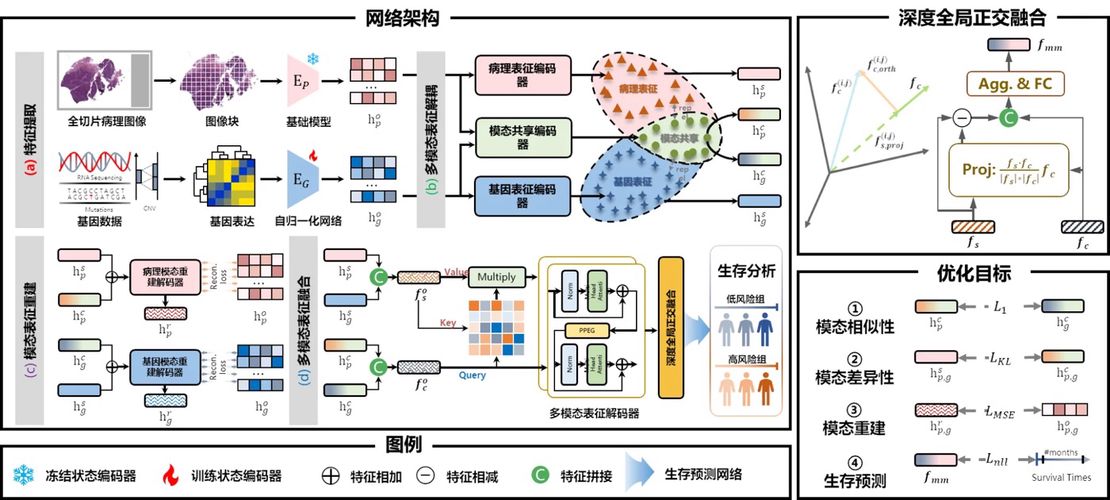
The paper “Multimodal Representation Decoupling Network (MurreNet): Establishing an Integrated Multimodal Interaction Model between Histopathology and Genomic Atlas for Survival Prediction of Cancer Patients” by Liu Mingxin (supervisor: Professor Xu Jun), a doctoral student at Jiangsu University Key Laboratory of Intelligent Medical Image Computing (IMIC), was officially accepted by the International Conference on Medical Image Computing and Computer Assisted Intervention (MICCAI 2025), the top conference in the field of medical image computing. This achievement is the latest innovative research result of IMIC laboratory in the field of computational pathology and multi-modal fusion, providing new solutions for cross-scale medical data: 1) pathology images and 2) multi-modal fusion of gene sequencing data and cancer survival prediction.

Read More