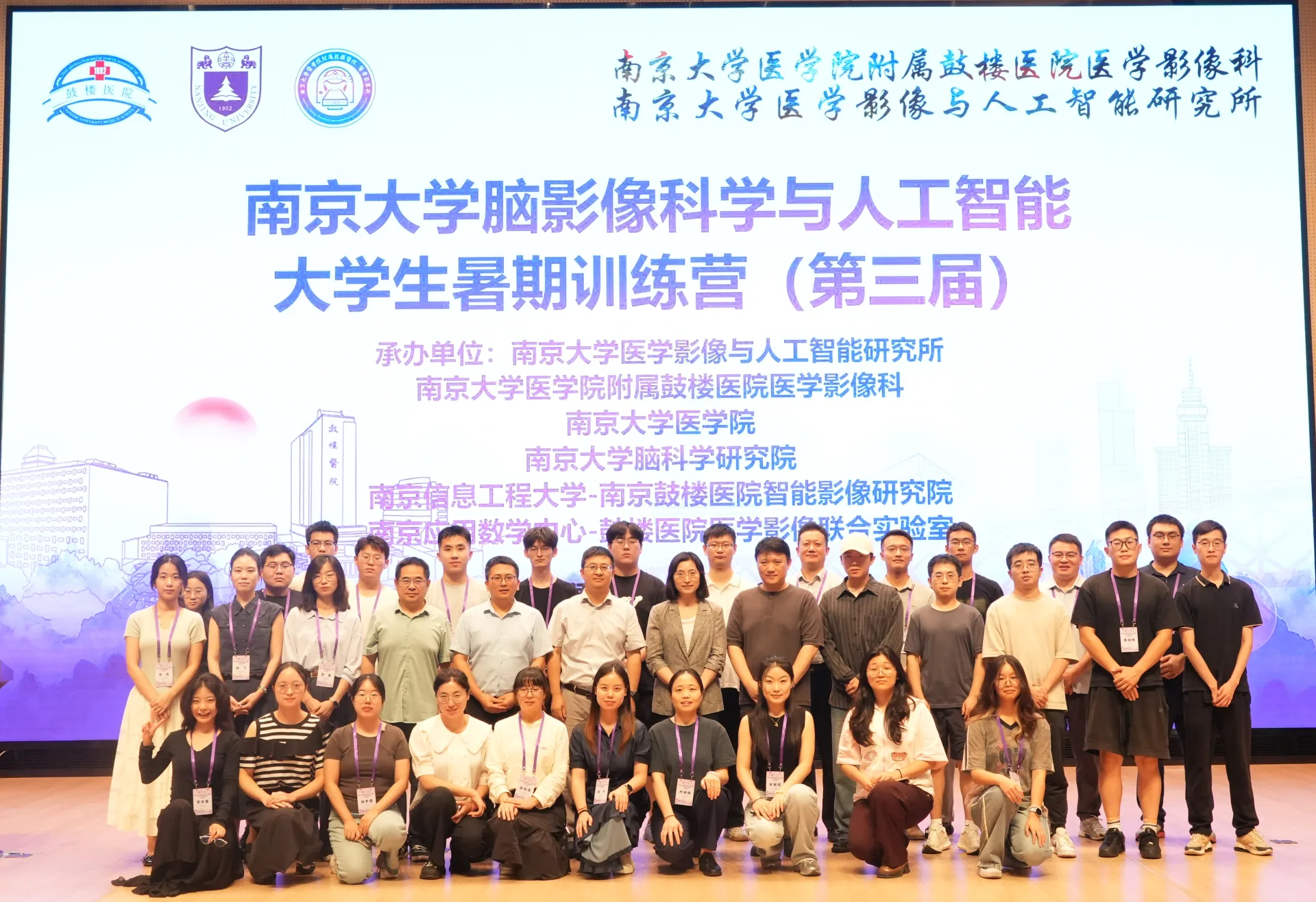
The closing ceremony of the 3rd Nanjing University Brain Imaging Science and Artificial Intelligence Summer Training Camp was held at our school
- IMIC Lab
- News , Comprehensive news
- August 17, 2025
On the afternoon of August 13, 2025, hosted by Nanjing Gulou Hospital, Nanjing University of Information Science & Technology-Nanjing Gulou Hospital Intelligent Imaging Research Institute, Jiangsu University Key Laboratory of Intelligent Medical Image Computing (IMIC), Nanjing University Brain Science Research Institute, Nanjing University Medicine The closing ceremony of the “Third Nanjing University Brain Imaging Science and Artificial Intelligence Undergraduate Summer Training Camp” co-organized by the Department of Medical Imaging of the Affiliated Gulou Hospital and the Nanjing Applied Mathematics Center-Drum Tower Hospital Medical Imaging Joint Laboratory was held in the lecture hall of Area D, Linjiang Building, Nanjing University of Information Science & Technology.
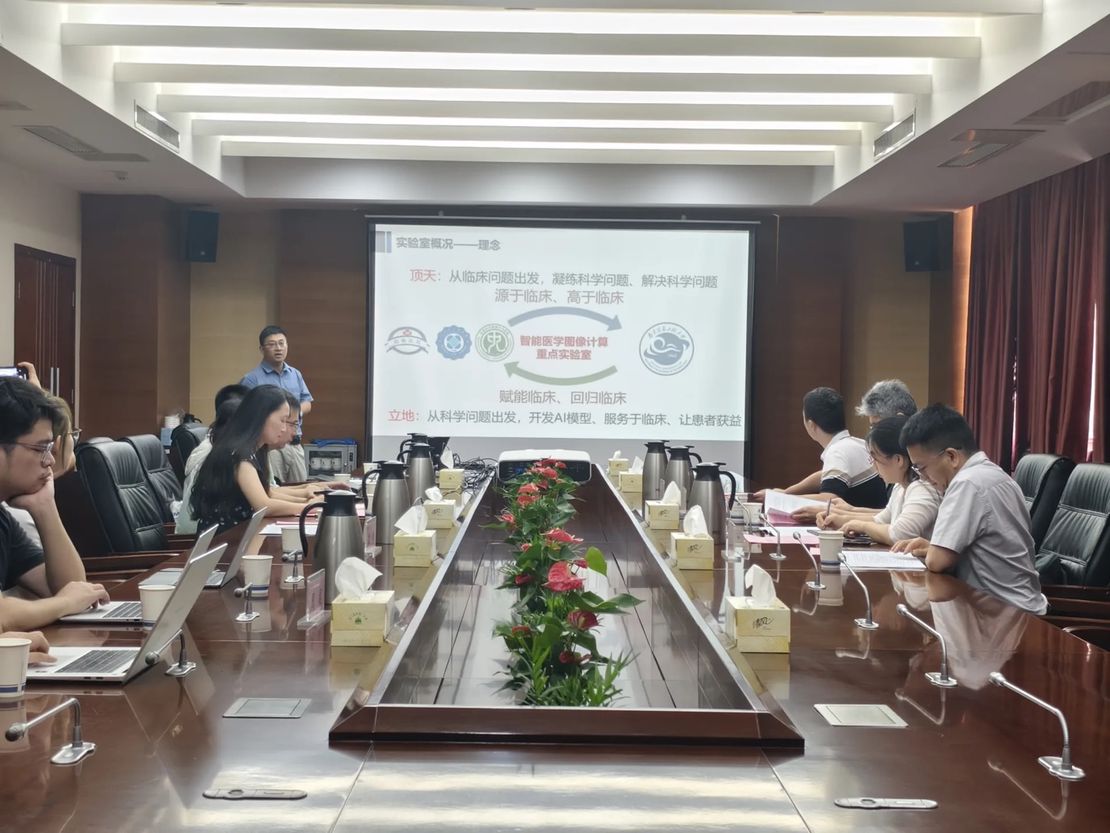
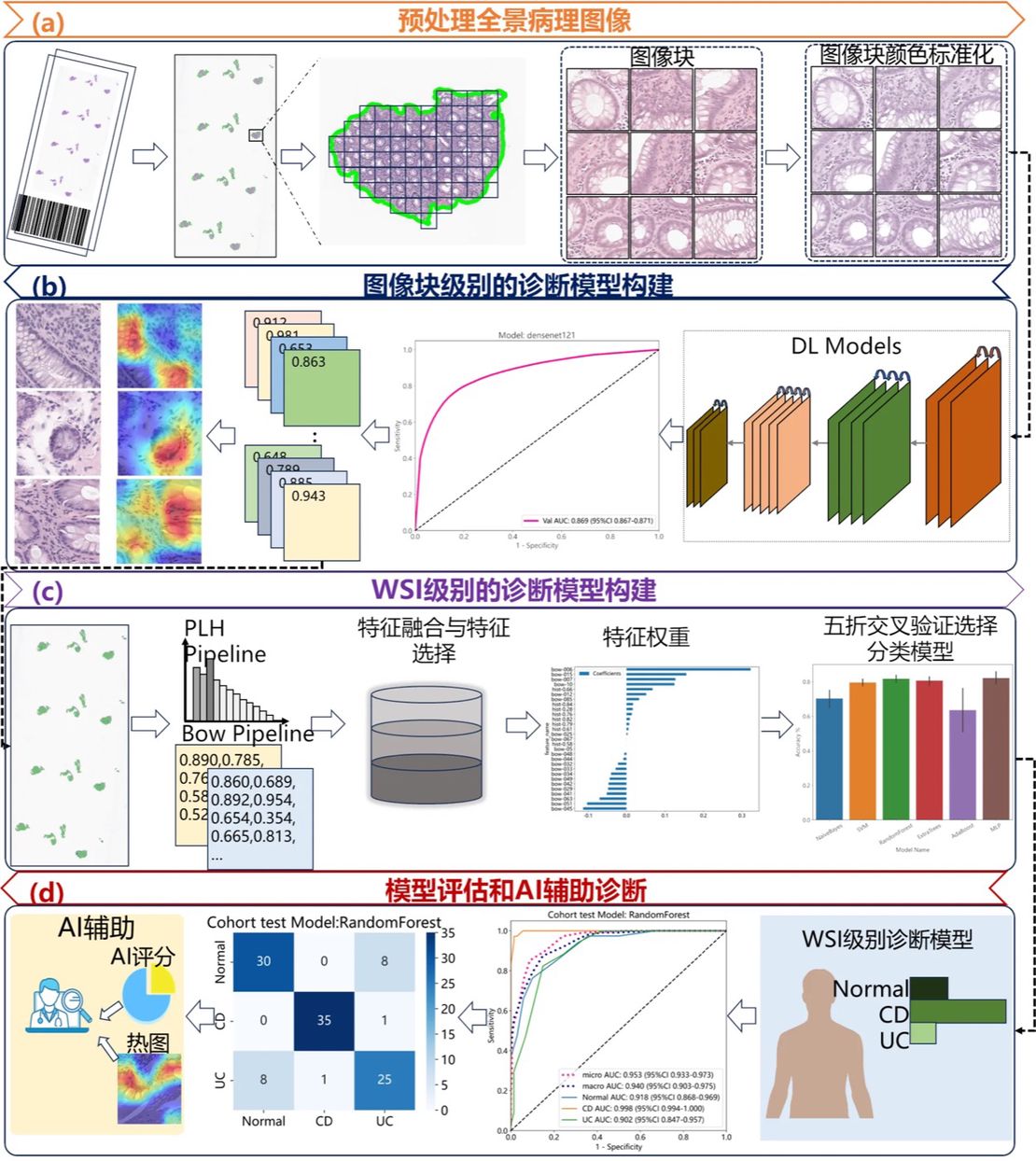
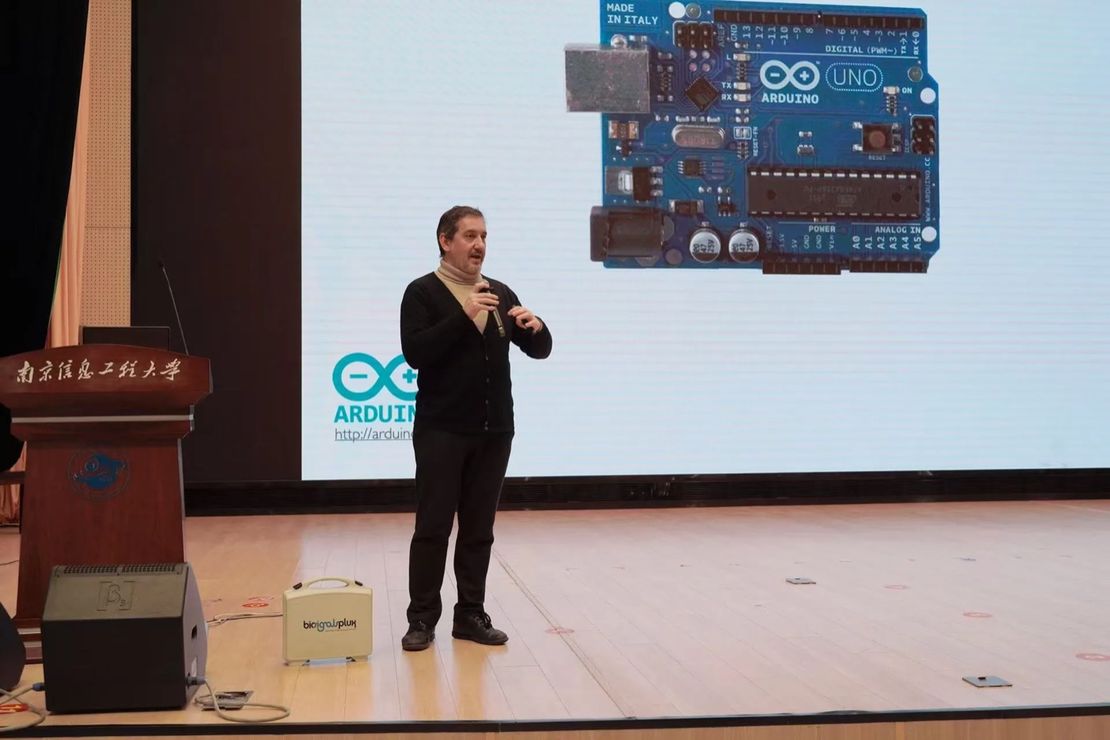
In the summer training camp, which lasted for more than a month, experts from the fields of brain science, artificial intelligence, medical imaging and other medical and engineering fields provided students with a systematic theoretical learning and practical training platform, helping young students who are interested in medical imaging, artificial intelligence, psychology, and cognitive neuroscience research to explore the frontiers of the subject in depth. As an important supporting unit for three consecutive summer training camps, IMIC Lab has arranged a strong team of teachers to tailor courses for training camp students. In this training camp, teachers such as Xu Jun, Zhang Teng, Xuan Kai, Huang Yunzhi, Wan Zhuo, and Sun Jiarui from the IMIC Lab gave wonderful lectures on cutting-edge fields such as cross-modal and multi-scale medical data analysis, computational pathology, medical imaging large models, image registration, generative models, brain image analysis, brain function prediction models, brain cognition and degenerative diseases, cerebrovascular segmentation, and ischemic stroke.
This training camp attracted outstanding students from many well-known universities at home and abroad, including students from the University of Washington, Nanjing University, Southeast University, Nanjing University of Traditional Chinese Medicine, and Nanjing University of Information Science & Technology. At the closing ceremony, leading experts such as Secretary Zhang Bing of the Party Committee of Nanjing Drum Tower Hospital, Professor Chen Jiu, Director Li Ming, Vice President of the School of Artificial Intelligence Xu Jun and more than 30 training camp students attended the event.
The closing ceremony begins at 14:00. At the beginning of the activity, Xu Jun led the students to visit the China-European Institute of Artificial Intelligence in Medicine (SEAM) of Nanjing University of Information Science & Technology. Professor Liu Hui introduced the multi-source physiological signal sensing and multi-modal medical data fusion technology to the students, and led the students to experience the wearable device platform developed by SEAM Research Institute and IMIC Lab. Students actively participated in the interaction and obtained physiological signals such as electromyography and acceleration through wearable devices. Professor Liu Hui also explained in depth how to achieve real-time health monitoring of patients through real-time analysis of multi-modal physiological signals. Most of the visiting students have a medical background. Through the above demonstration, the students can experience the wearable devices (such as smart bracelets, patch sensors) or bedside monitors developed by SEAM and IMIC laboratories, which can be used in clinical hospitals to collect patients’ electrocardiogram (ECG), brain electroencephalon (EEG), electromyography (EMG), and blood oxygen (SpO ₂ ), respiratory rate, body temperature and other physiological signals, and use wireless transmission technology (such as Bluetooth, Wi-Fi or 5G) to synchronize the data to the hospital monitoring system. By using multi-modal data fusion algorithms (such as large models, edge computing) to analyze physiological signals in real time, identify abnormal patterns (such as arrhythmia, epileptic seizures, respiratory failure, etc.), and combine with electronic medical record (EMR) data to provide a more comprehensive patient health assessment. When the system detects an abnormality (such as a sudden drop in blood oxygen, arrhythmia), it automatically triggers a hierarchical alarm (such as a pop-up window, text message, or medical APP push) to remind medical staff to intervene in a timely manner. At the same time, the AI-assisted diagnosis system can recommend personalized care plans (such as adjusting medications, oxygen inhalation, or emergency measures).
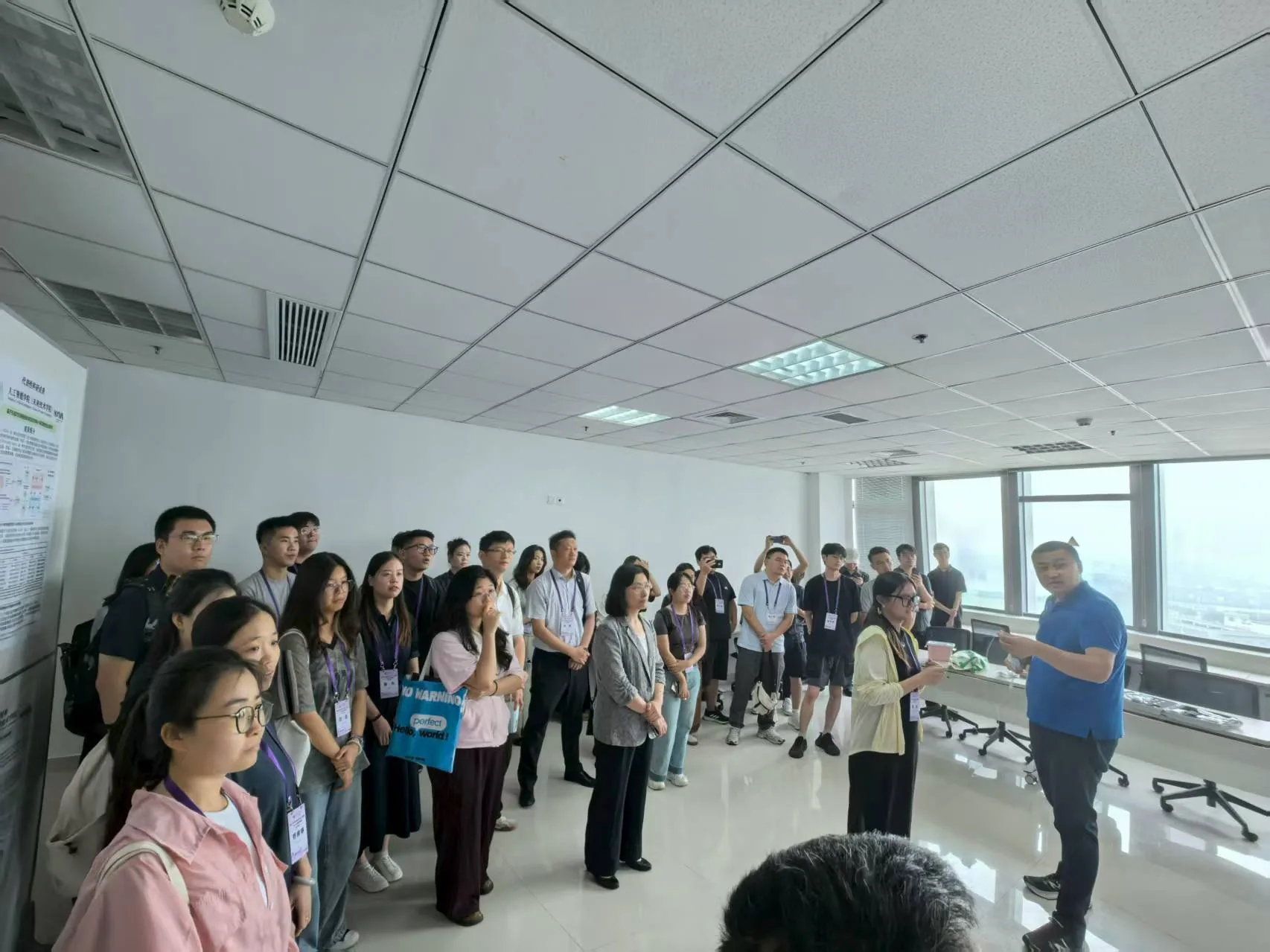
Subsequently, Xu Jun systematically introduced the five core research directions of the IMIC laboratory to the students. Under his guidance, the students observed the laboratory’s advanced scientific research equipment such as high-throughput pathology slide scanners and micron-level OCT imaging equipment. Xu Jun explained in detail the laboratory’s latest breakthroughs in the fields of computational pathology, medical imaging technology, multi-modal physiological signal analysis, intelligent medical image analysis and brain science research.
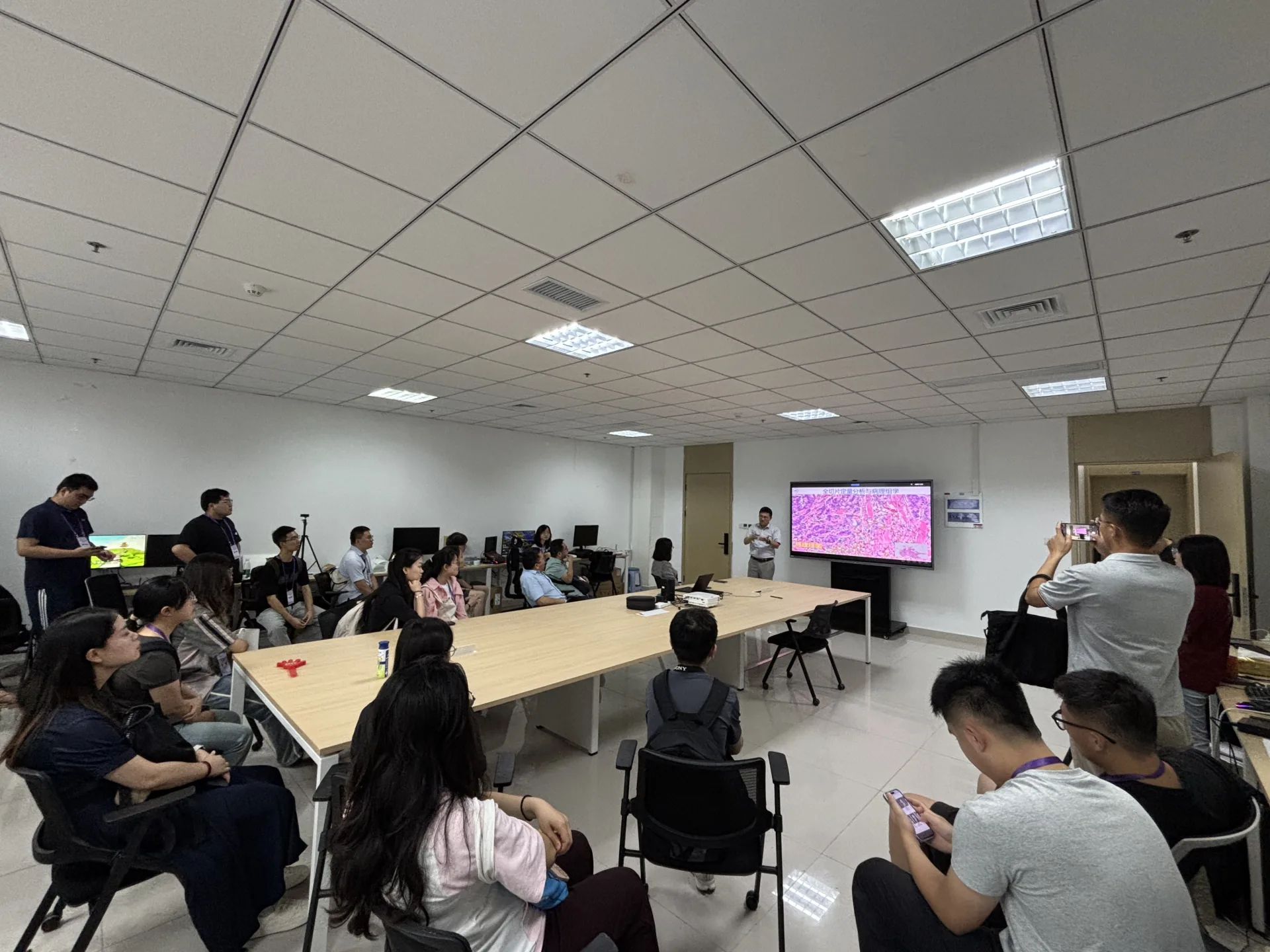
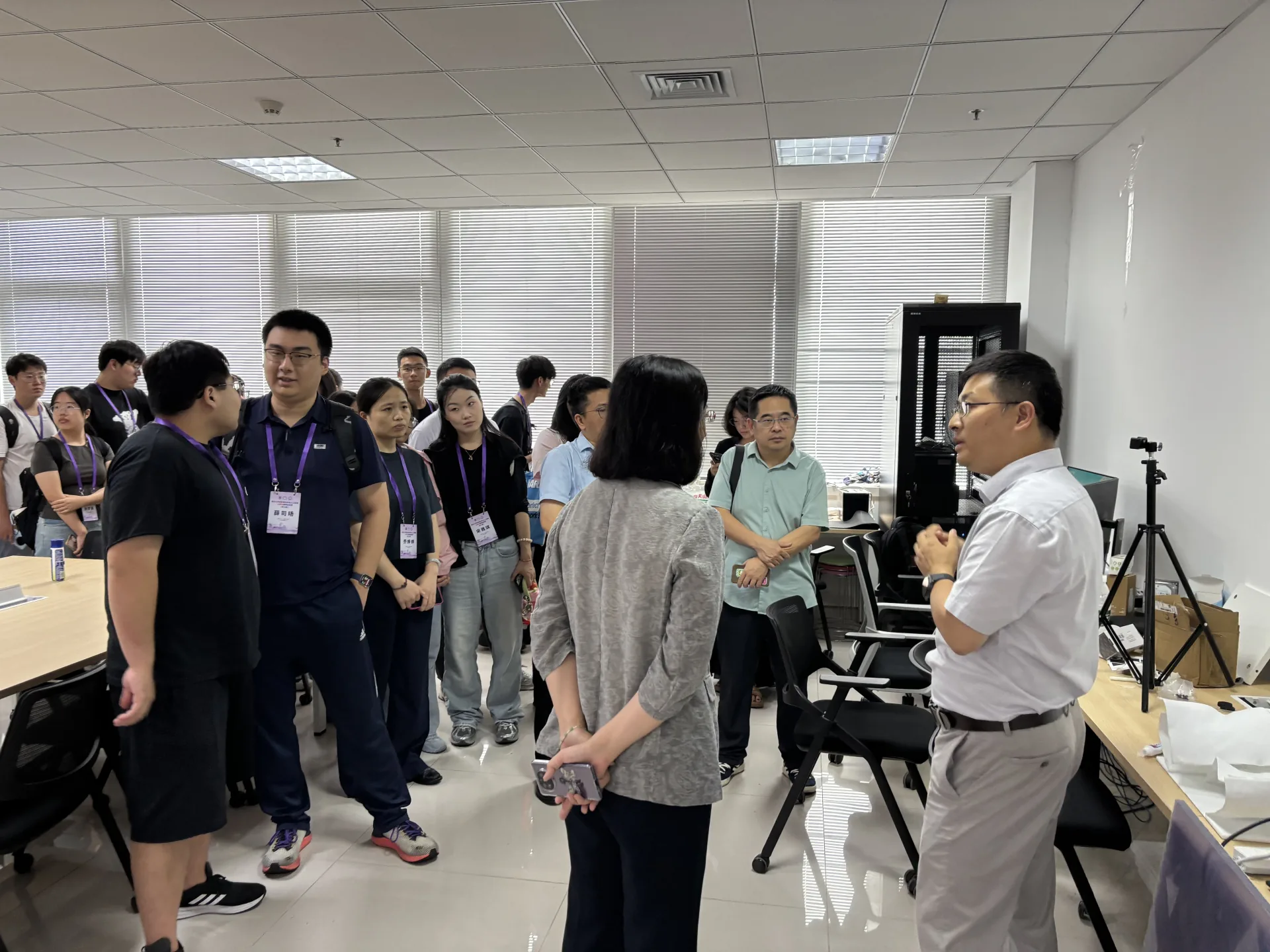
Through in-depth and simple explanations, the students clearly understood how the IMIC laboratory deeply integrates artificial intelligence technology into the entire process of disease prevention, screening, diagnosis, treatment planning and prognosis assessment, truly practicing the “patient-centered” precision medicine concept. During the visit, the students were deeply impressed by the laboratory’s medical-engineering cross-innovation model of “starting from clinical needs and ultimately serving clinical practice”, demonstrating the broad prospects for the deep integration of artificial intelligence technology and clinical medicine.
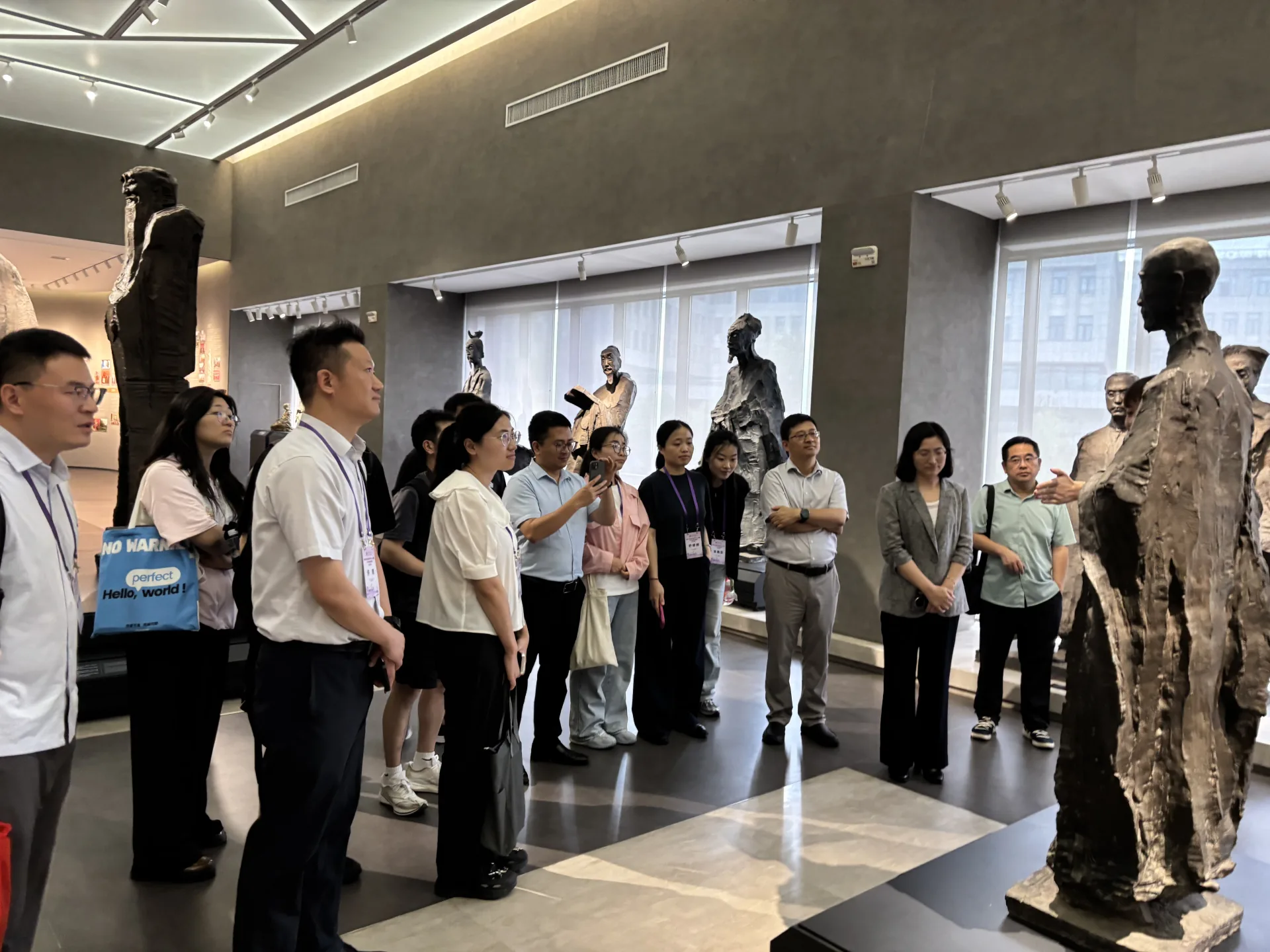
Subsequently, under the guidance of Nanjing University’s lecturer, the leaders and students entered the Jianshan Garden Wu Weishan Art Museum. They appreciated and visited the art works created by the famous sculptor Wu Weishan, experienced the “art energy field” of the polytechnic school, and understood the in-depth dialogue between science and humanities.
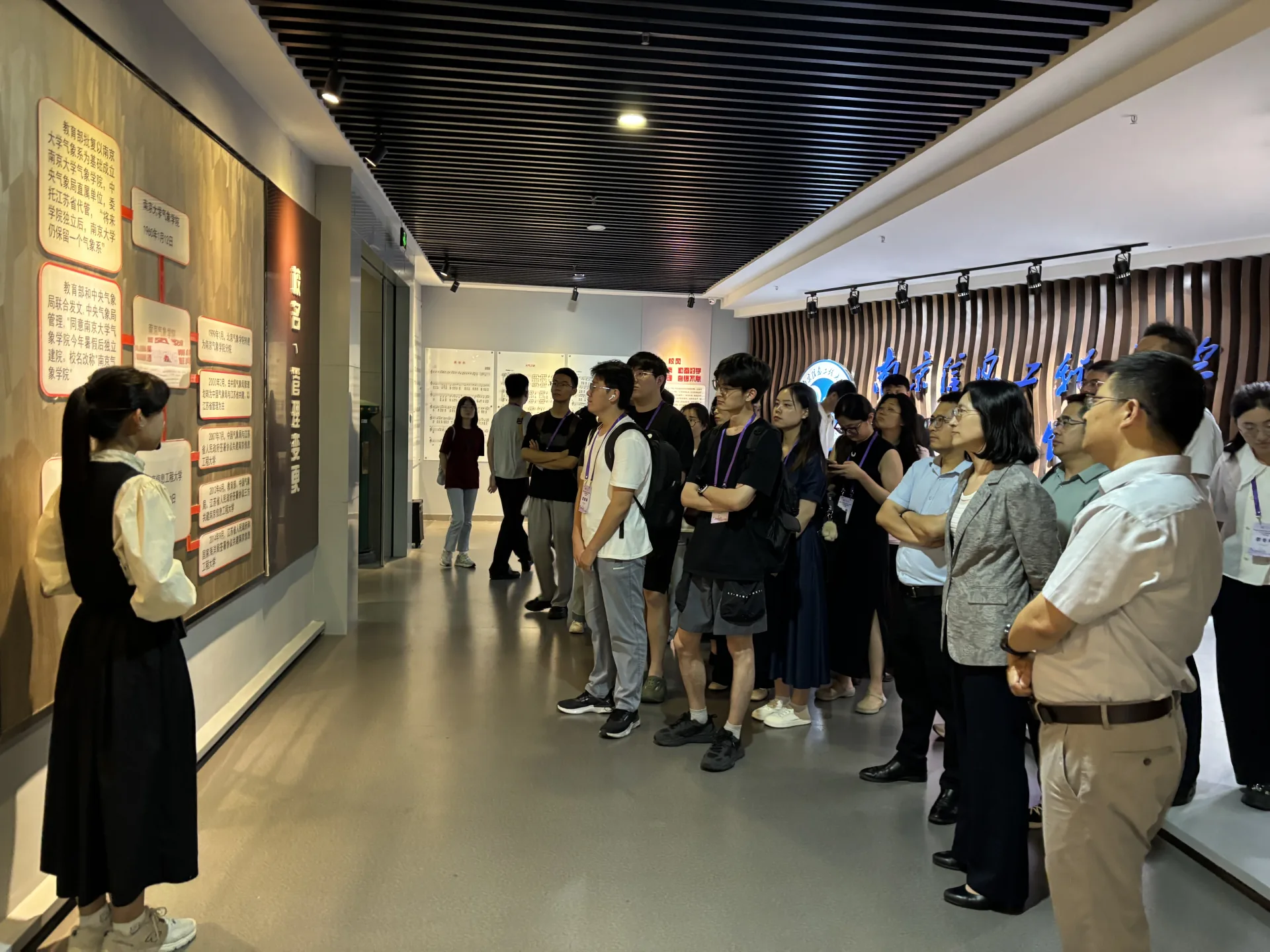
Immediately afterwards, the students visited the History Museum of Nanxin University, where the instructor gave a vivid introduction to the establishment and development history of Nanxin University. Here, the students learned about the development history of Nanjing University and deeply felt the excellent school spirit of Nanfang University of “hardship and simplicity, diligence and studiousness, pursuit of truth, and constant self-improvement”.
After having an in-depth experience of the academic atmosphere of Nanxin University that combines science, humanities and science and technology, the closing ceremony of the training camp officially kicked off. The closing ceremony was hosted by Professor Chen Jiu from Nanjing Drum Tower Hospital. Zhang Bing and Xu Jun delivered speeches respectively, fully affirming the academic value of the training camp and encouraging the trainees to delve into the intersection of brain science and artificial intelligence.
Next, the five groups of trainees reported the results of the training camp topics in turn. Each group leader systematically summarized the group activities and research progress. The expert jury commented one by one and put forward constructive suggestions. After the report, Zhang Bing, Xu Jun, Chen Jiu, Zhang Teng and other experts jointly issued honorary certificates to outstanding students and outstanding team leaders. Student representative Wang Rui delivered a speech and expressed his sincere gratitude to the members of the organizing committee and all the teaching teachers.
Finally, Teacher Zhang Teng delivered a closing speech, marking the successful conclusion of this training camp.
Text: Zhang Teng, Ma Xuefeng, Yang Mengyuan
Picture: Ma Xuefeng, Du Shunshun
Translated from the original Chinese source.