Sun Jiarui

Sun Jiarui

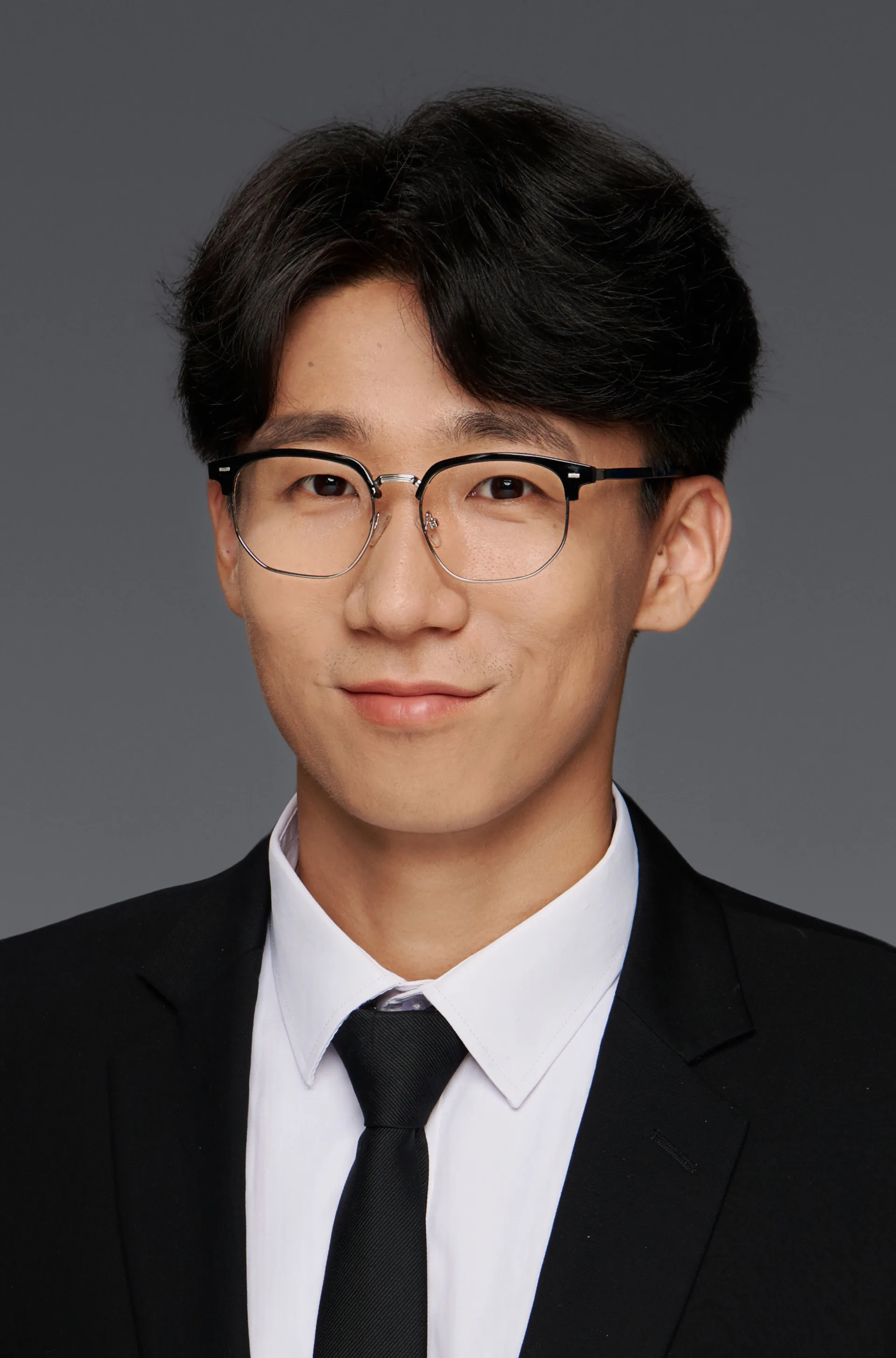
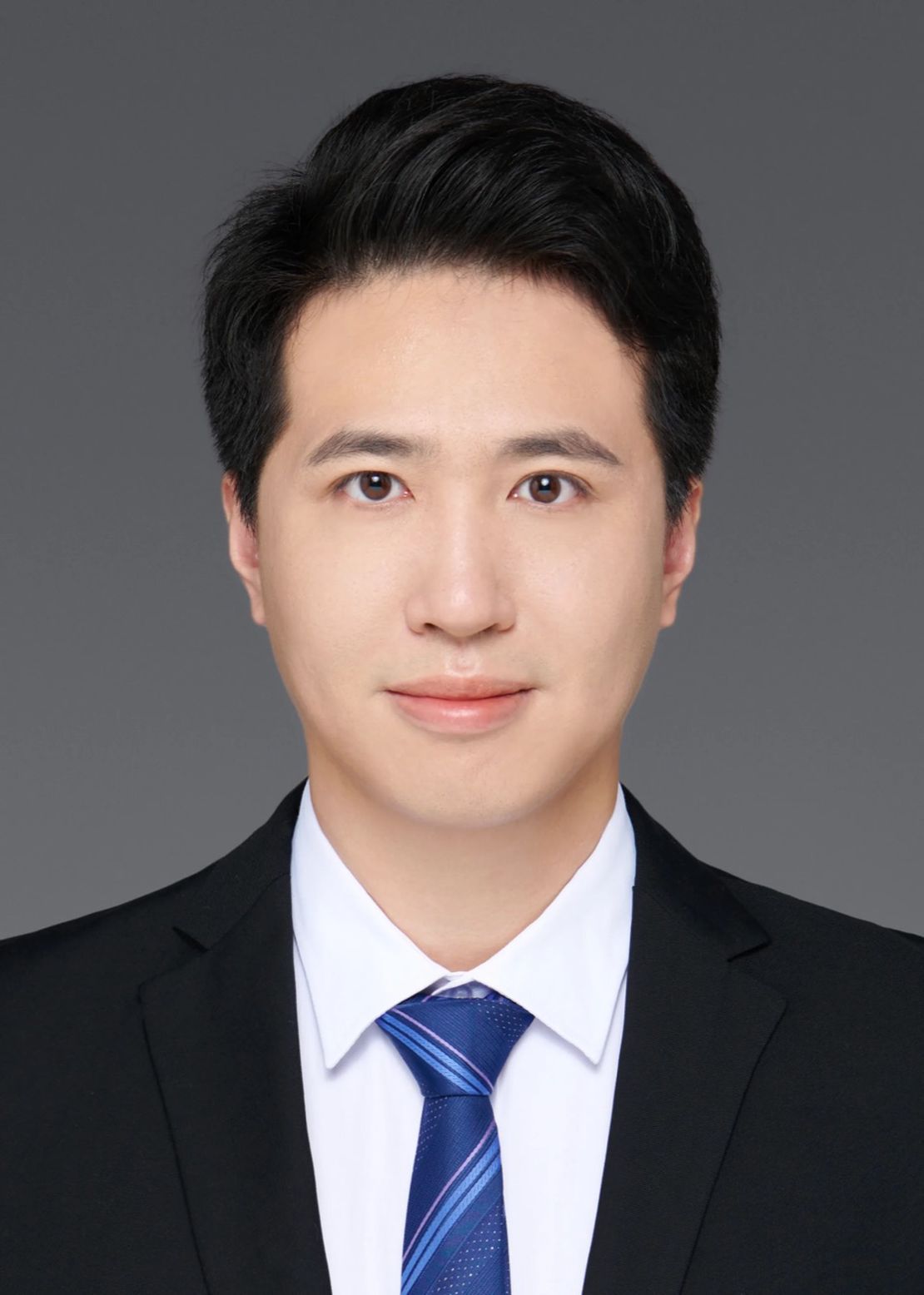
Sun Jiarui, Ph.D., is a lecturer at the School of Artificial Intelligence (College of Future Technology), Nanjing University of Information Science & Technology, and a core member of the Jiangsu University Key Laboratory of Intelligent Medical Image Computing and the Smart Medical Research Institute. He received a bachelor’s degree in engineering from Zhengzhou University in 2019, and then obtained a doctorate in engineering from the School of Computer Science and Engineering of Southeast University in 2024. During his doctoral period, he participated in 2 projects including the National Natural Science Foundation of China, and participated in scientific research internships in scientific research institutions and enterprises such as Chinese Academy of Sciences-Shenzhen Institute of Advanced Technology and United Imaging Healthcare. His current main research directions are intelligent medical image analysis, multi-modal medical image processing, etc. In the past five years, he has published 6 papers as the first/co-author in top journals in the field such as IEEE TMI, MedIA and IEEE J-BHI, and has long served as a reviewer for important journals in the field.

For more information, please visit my personal homepage: https://faculty.nuist.edu.cn/sunjiarui/zh_CN/index.htm

Research directions:

Intelligent medical image analysis: Use artificial intelligence-based methods to achieve segmentation, detection or classification of medical images, thereby driving more intelligent and accurate auxiliary diagnosis of diseases.

Multi-modal image processing: Improve the robustness of the image analysis model by performing feature modeling, decoupling and fusion of multi-modal medical images.

Representative papers:

[1] Jiarui Sun , et al. “Pathological Asymmetry-Guided Progressive Learning for Acute Ischemic Stroke Infarct Segmentation.” IEEE Transactions on Medical Imaging (IEEE TMI), 2024. (Chinese Academy of Sciences District 1 Top, IF: 10.6)

[2] Jiarui Sun, et al. “Multi-grained contrastive representation learning for label-efficient lesion segmentation and onset time classification of acute ischemic stroke.” Medical Image Analysis (MedIA), 2024. (District 1, Chinese Academy of Sciences Top, IF: 10.9)

[3] Jiarui Sun, et al. “Automatic video analysis framework for exposure region recognition in X-ray imaging automation.” IEEE Journal of Biomedical and Health Informatics (IEEE J-BHI), 2022. (District 1, Chinese Academy of Sciences Top, IF: 7.7)

[4] Liang, Jiang #, Jiarui Sun #, et al. “Diffusion-/perfusion-weighted imaging fusion to automatically identify stroke within 4.5 h.” European Radiology (ER), 2024. (District 2, Chinese Academy of Sciences Top, IF: 5.9)

[5] Liuwen, Zou #, Jiarui Sun #, et al. “A Multi-group similarity-decoding-based method for deep model ensembling applied in the microcalcification classification on digital mammograms.” Biomedical Signal Processing and Control, 2024. (District 2, Chinese Academy of Sciences, IF: 5.1)


Translated from the original Chinese source.
Share :

Related Posts

Luo Yuemei

Luo Yuemei

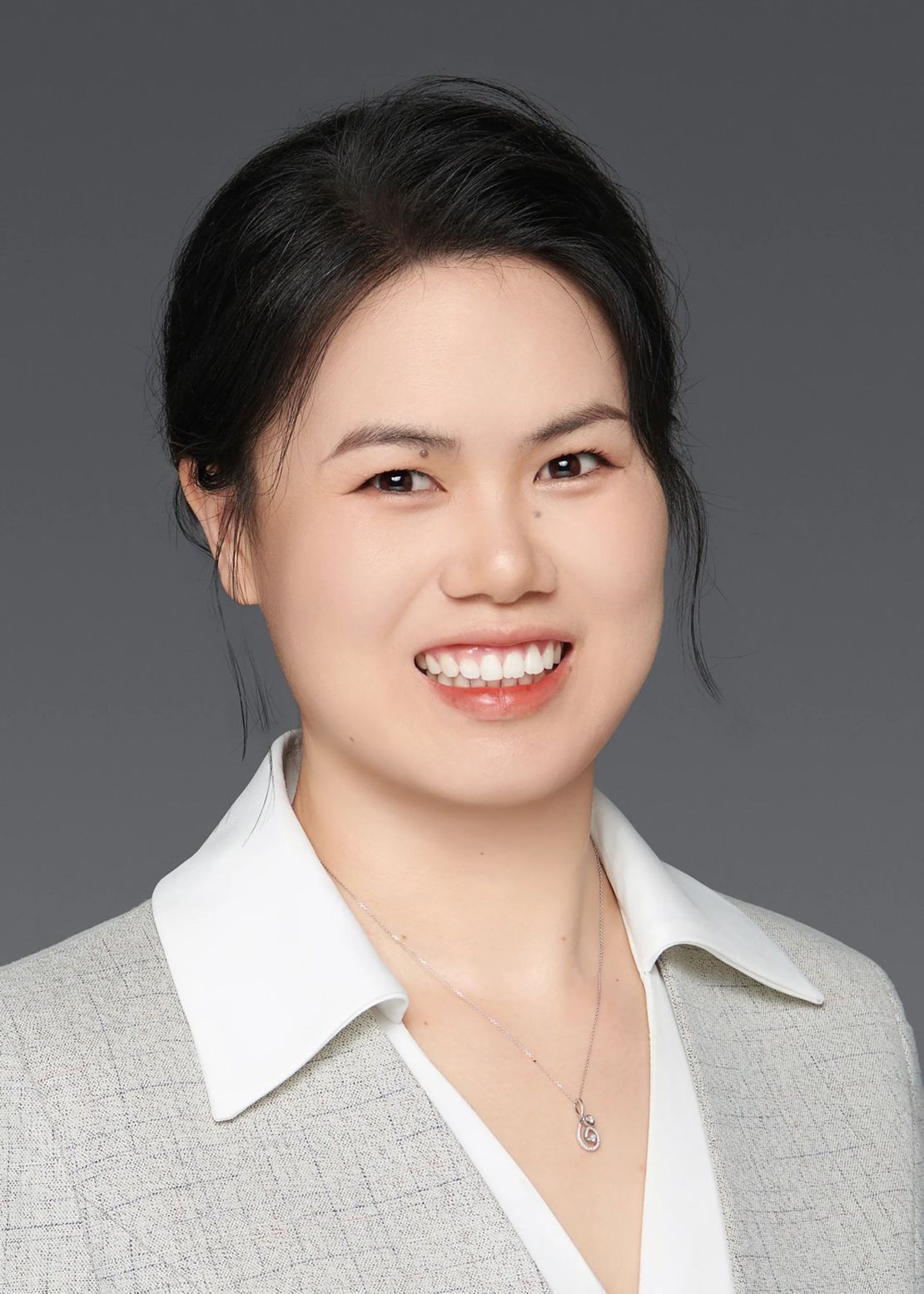
Luo Yuemei is a professor at the School of Artificial Intelligence of Nanjing University of Information Science & Technology, a Longshan Scholar, a national-level overseas young talent, and a core member of the Jiangsu University Key Laboratory of Intelligent Medical Image Computing and the Intelligent Medical Research Institute. She graduated from the University of Electronic Science and Technology of China with a bachelor’s degree, and then received a doctorate from Nanyang Technological University in Singapore and conducted postdoctoral research. She has published more than 40 papers in recent years. He has been engaged in the research of medical high-resolution optical coherence tomography technology for a long time. His main research direction is micron resolution optical coherence tomography (micro-OCT) and its application in the fields of gastrointestinal tract, cardiovascular, skin, and ophthalmology. The specific directions include the promotion and application of endoscopic micro-OCT in gastrointestinal and cardiovascular imaging, the application and promotion of micro-OCT in ophthalmology and skin imaging, non-destructive optical detection, and medical image recognition based on deep learning. Google Scholar homepage: https://scholar.google.com.sg/citations?user=piaBPSEAAAAJ&hl=en. Students who are interested in the research direction of this research group are welcome to join. Contact information: luoyuemei@nuist.edu.cn.

Read More
Hugo Gamboa (Hugo ∙ Gamboa)

Hugo Gamboa (Hugo ∙ Gamboa)

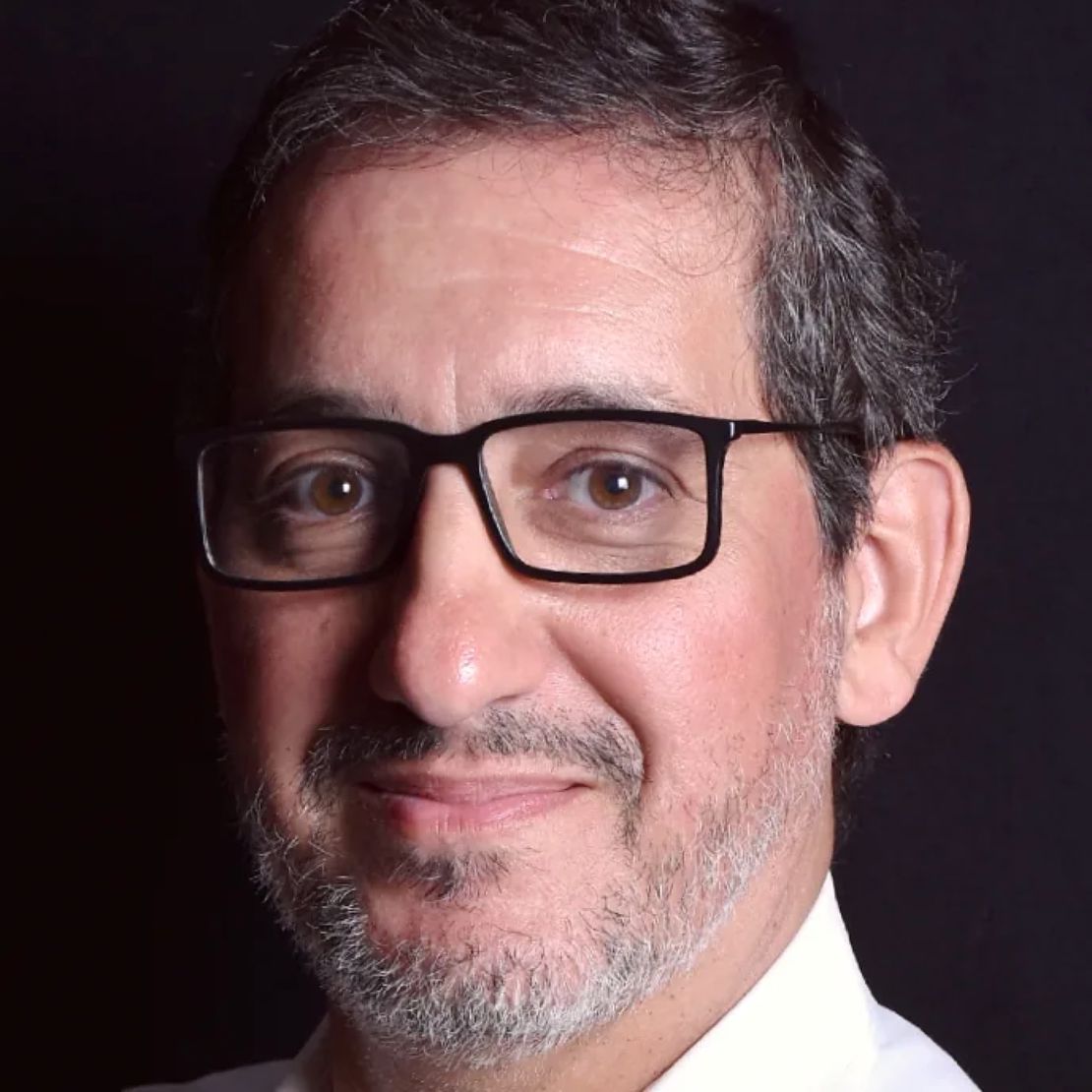
Basic information Nationality: Portuguese Phone: +351 962611197 Email: hgamboa@fct.unl.pt Personal resume •Tenured professor at the Department of Physics, New Academy of Sciences, NOVA University, Lisbon, and also works at the LIBPHYS-UNL Research Center

Read More
Yang Weiyi

Yang Weiyi

Yang Weiyi, Ph.D., is currently a lecturer at the School of Artificial Intelligence of Nanjing University of Information Science & Technology, a core member of the Jiangsu University Key Laboratory of Intelligent Medical Image Computing and the Smart Medical Research Institute, and a youth committee member of the Chinese Research Hospital Association. He graduated from the School of Communication Engineering of Jilin University with a bachelor’s degree and a doctoral degree, and received his doctorate in October 2022. He went to the Department of Biomedical Engineering at McGill University for joint training and studied under Robert E Kearney, an academician of the Canadian Academy of Engineering and an academician of the American Academy of Biomedical Sciences. Now he is mainly engaged in research in the fields of biomedical signal processing and the development of intelligent diagnostic systems. Currently, he is presiding over the Jiangsu Provincial Basic Research Program Natural Science Foundation (2024.09-2027.08). He has published more than 20 SCI academic papers in high-level international journals such as “Information Sciences”, “Knowledge-based systems”, and “Artificial intelligence in medicine”. Google Scholar shows that the paper has been cited more than 500 times, with the highest number of citations for a single article being 152 times. He has served as a reviewer for high-level SCI journals such as Information Fusion and Information Sciences. Has applied for multiple invention patents, 4 of which have been authorized.

Read More