Related Posts

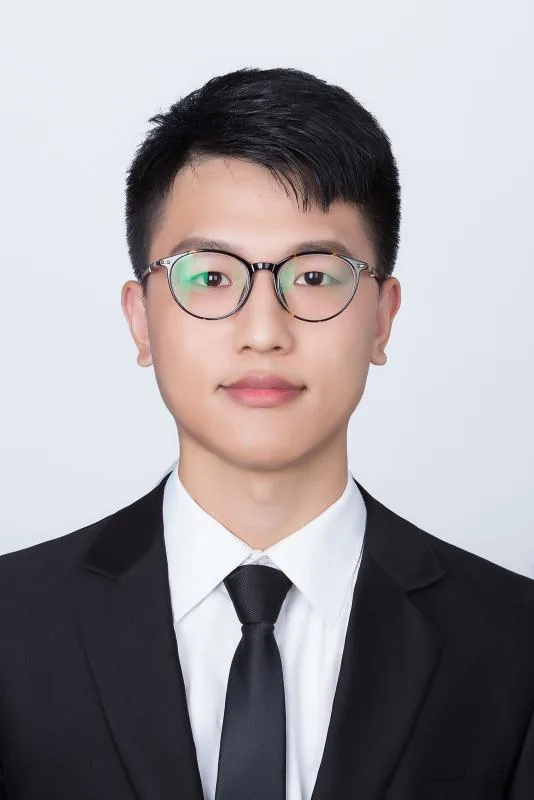
Li Jin
Li Jin is a core member of the Jiangsu University Key Laboratory of Intelligent Medical Image Computing and the Intelligent Medical Research Institute. He graduated from Xiamen University with a bachelor’s degree and a Ph.D. from the School of Biomedical Engineering and Instrument Science, Zhejiang University. He presided over the Youth Project of the National Natural Science Foundation of China and participated in many projects such as the National Natural Science Foundation of China, major scientific research projects of Zhijiang Laboratory, and the British NIHR scientific research projects. During the doctoral stage, he was selected into the “Zhejiang University Doctoral Graduate Academic Rising Star Program” and won honors such as Zhejiang University’s outstanding graduate students. In 2021, funded by the China Scholarship Council (CSC), he will go to the University of Oxford in the UK for joint training. The main research directions are: electronic medical record (EHR) data mining based on machine learning; clinical decision support based on graph models and large language models. Mainly committed to applying medical artificial intelligence methods to: 1) clinical intelligent decision-making; 2) patient prognosis risk assessment; 3) intelligent prevention, diagnosis and treatment of diseases, etc., so as to assist the role and value of medical big data in clinical practice.
Read More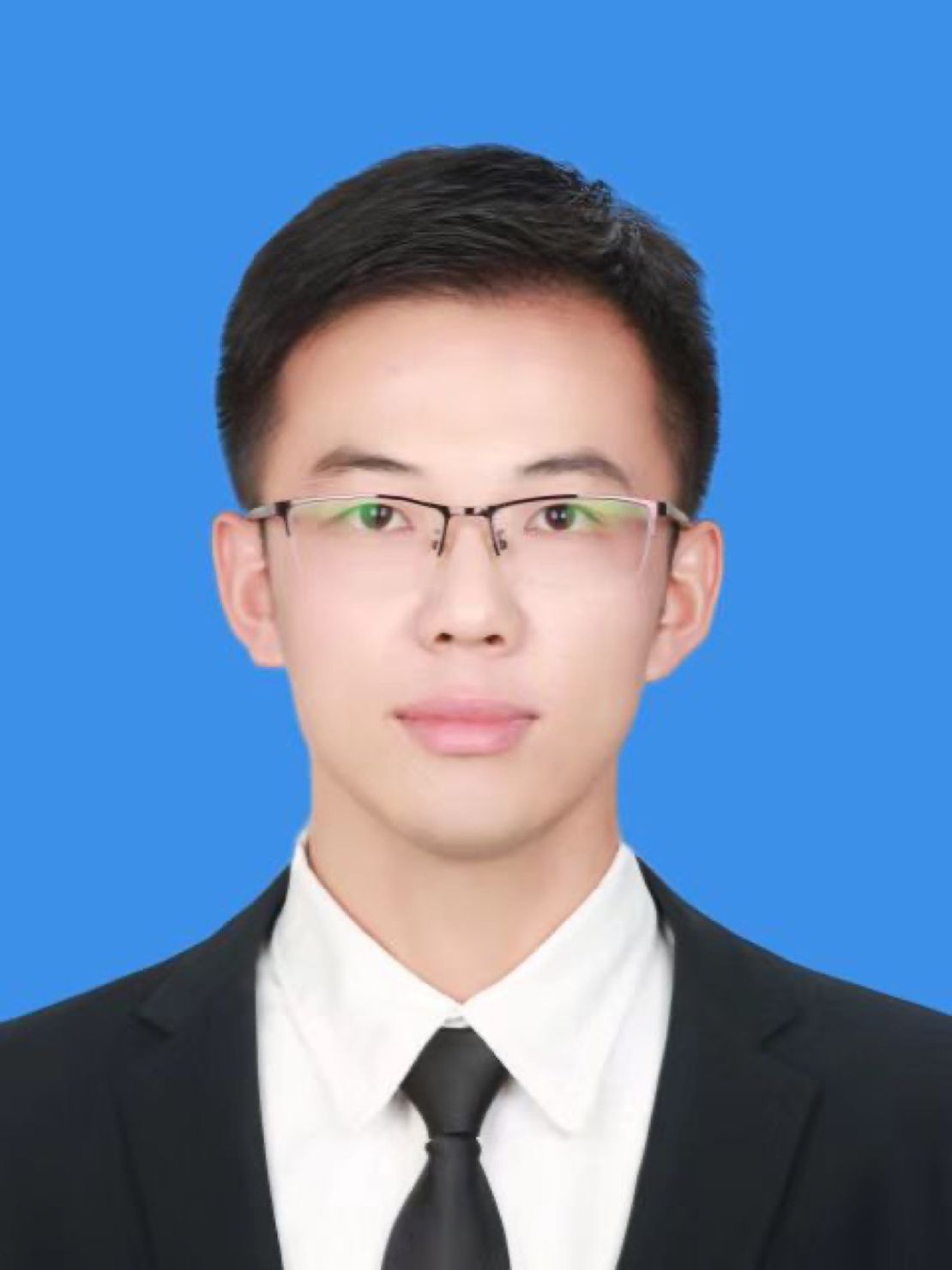
Cai Chengfei
Educational experience Undergraduate 2012/09/08-2016/06/20 Nanjing University of Information Science & Technology Master 2016/09/07-2019/06/20 Nanjing University of Information Science & Technology PhD 2022/09/12- present Nanjing University of Information Science & Technology
Read More
Gu Xiaochun
Gu Xiaochun, Ph.D., associate professor, researcher at Nanjing Translational Research Institute of Peking University (Jiangbei New District); Ph.D. of Southeast University, 2014 to 2016 He was a visiting scholar and postdoctoral researcher in the Department of Biomedical Engineering at the State University of New York at Stony Brook in the United States. He mainly used advanced imaging technology and new phenotypic technologies to conduct research on neurovascular and neuromodulation. With an interdisciplinary research background, he independently built a multispectral imaging system for synchronized neurovascular imaging and discovered the new role of glial cells in neurovascular coupling, which is important for CR in regulating neurovascular development. He has conducted a series of studies on cell biology, produced a series of relevant genetically modified animal disease animal models, participated in the co-construction of the Nanjing Brain Observatory and co-initiated the “Mesoscopic Brain Functional Connection Atlas” large scientific project.
Read More