The laboratory was approved as a special project for smart diagnosis and treatment of major diseases
- IMIC Lab
- News , Comprehensive news
- December 9, 2024
Recently, the evaluation results of the 2024 National Natural Science Foundation of China’s “Intelligent Diagnosis and Treatment of Major Diseases” special project were announced. The project jointly submitted by Professor Xu Jun’s team from the “Intelligent Medical Image Computing” Key Laboratory of our school and Professor Shao Zhimin’s team from the Breast Surgery Department of Fudan University Cancer Hospital was successfully approved for funding.
Artificial intelligence technology has made breakthrough progress in the medical field, especially in early screening and early diagnosis of major diseases, precise treatment, and smart management of all clinical scenarios, highlighting its huge application potential. However, there are currently problems in this field such as insufficient in-depth integration of multi-source heterogeneous clinical data, insufficient clinical interpretability and generalization verification of the model, and poor adaptability of the model to clinical diagnosis and treatment application scenarios. Research on new strategies for smart diagnosis and treatment of major diseases urgently requires multi-disciplinary cross-integration and innovation support. In view of this, the Department of Medical Science of the National Natural Science Foundation of China has established the “Smart Diagnosis and Treatment of Major Diseases” special project to promote my country’s basic and clinical research on the integration of cutting-edge artificial intelligence technology and the diagnosis and treatment of major diseases.
This special research project focuses on the direction of “research on smart diagnosis and treatment strategies for major diseases empowered by multi-dimensional clinical diagnosis and treatment data”. It hopes to integrate and analyze multi-source heterogeneous clinical data of major diseases represented by breast cancer, including: imaging, pathology, electronic medical records, genome and proteomics, etc., and use artificial intelligence technology to decode the hidden information related to disease diagnosis and treatment in multi-dimensional data, develop new smart diagnosis and treatment strategies for major diseases, and conduct clinical validity, specificity and adaptability verification. The project is expected to establish new theories, new models and new technologies for precise diagnosis and treatment of breast cancer, and promote the development of the smart medical industry (Figure 1).
This project adopts a joint application (dual PI) model. Professor Shao Zhimin of Fudan University is the main applicant in the medical direction, Professor Xu Jun from our school is the main applicant in the engineering direction, and Dr. Ming Wenlong, Dr. Li Jin and Dr. Gan Xiao, young teachers of the Key Laboratory of Intelligent Medical Image Computing of Nanjing University of Information Science & Technology, are the main participants in the engineering direction.
According to statistics, breast cancer is the most common malignant tumor among women in my country, with more than 350,000 new cases and more than 70,000 deaths every year. It is a major disease that seriously endangers people’s health (Figure 2). Focusing on breast cancer, the medical-engineering joint research team formed by Professor Xu Jun’s team and Professor Shao Zhimin’s team has been cooperating for more than 10 years based on clinical problems, driving algorithm innovation and implementing clinical transformation (Figure 4). The joint research team actively carries out cutting-edge exploration and practical application of artificial intelligence-enabled breast tumors. It has a good and solid foundation for scientific research cooperation and has produced a series of high-level academic research results. The collaborative work of the two teams has recently been published in authoritative international academic journals such as Nature Communications and Fundamental Research.
On October 25, 2023, the teams from both parties published a research paper titled “Single-cell morphological and topological atlas reveals the ecosystem diversity of human breast cancer” in Nature Communications. The study proposed a single-cell morphological and topological analysis algorithm (sc-MTOP) to characterize the tumor ecosystem by extracting the characteristics of the nuclear morphology and spatial relationship between cells of single cells, and characterized the phenotypic diversity of the breast cancer ecosystem at multiple levels. Furthermore, integrated analysis of clinical and multi-omic data identified ecosystem features that serve as biomarkers for predicting treatment response (Figure 3 ).
Dr. Ming Wenlong, a member of Professor Xu Jun’s team, focused on triple-negative breast cancer, which is known as the “most virulent breast cancer”, and further explored the prediction of precise treatment response under the Fudan classification system of triple-negative breast cancer based on multi-modal information characterization and fusion. This topic was also approved in 2024 as a youth fund project of the Information Science Department of the National Natural Science Foundation of China.
The approval of the “Smart Disease Diagnosis and Treatment” special project reflects that our school’s “Intelligent Medical Image Computing” Key Laboratory has made significant progress in the research field of smart diagnosis and treatment of major diseases for the life and health of our people. These studies will not only help improve the accuracy and efficiency of clinical diagnosis and treatment, but will also bring better quality and more convenient medical services and better health protection to patients.
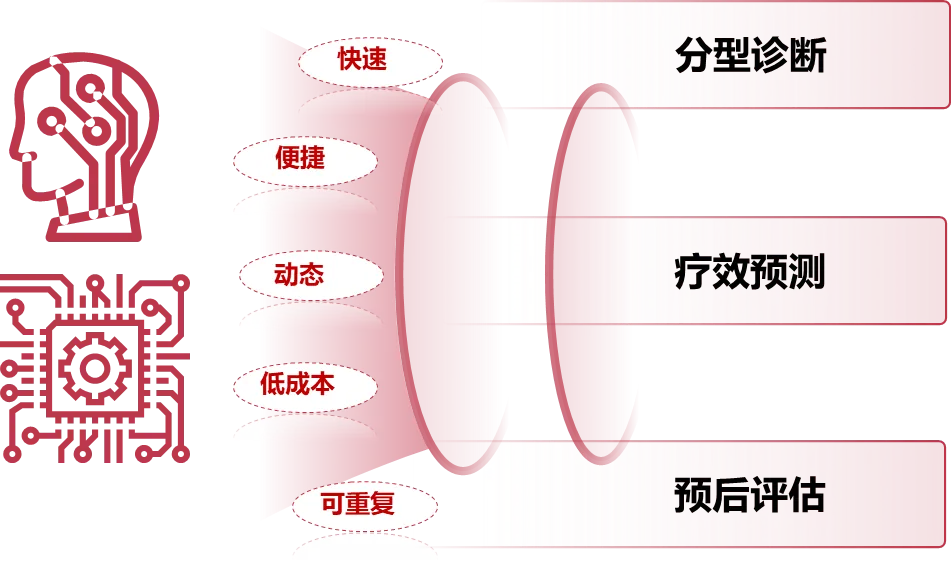
Figure 1: The application direction of this topic in artificial intelligence empowering precise diagnosis and treatment of breast cancer
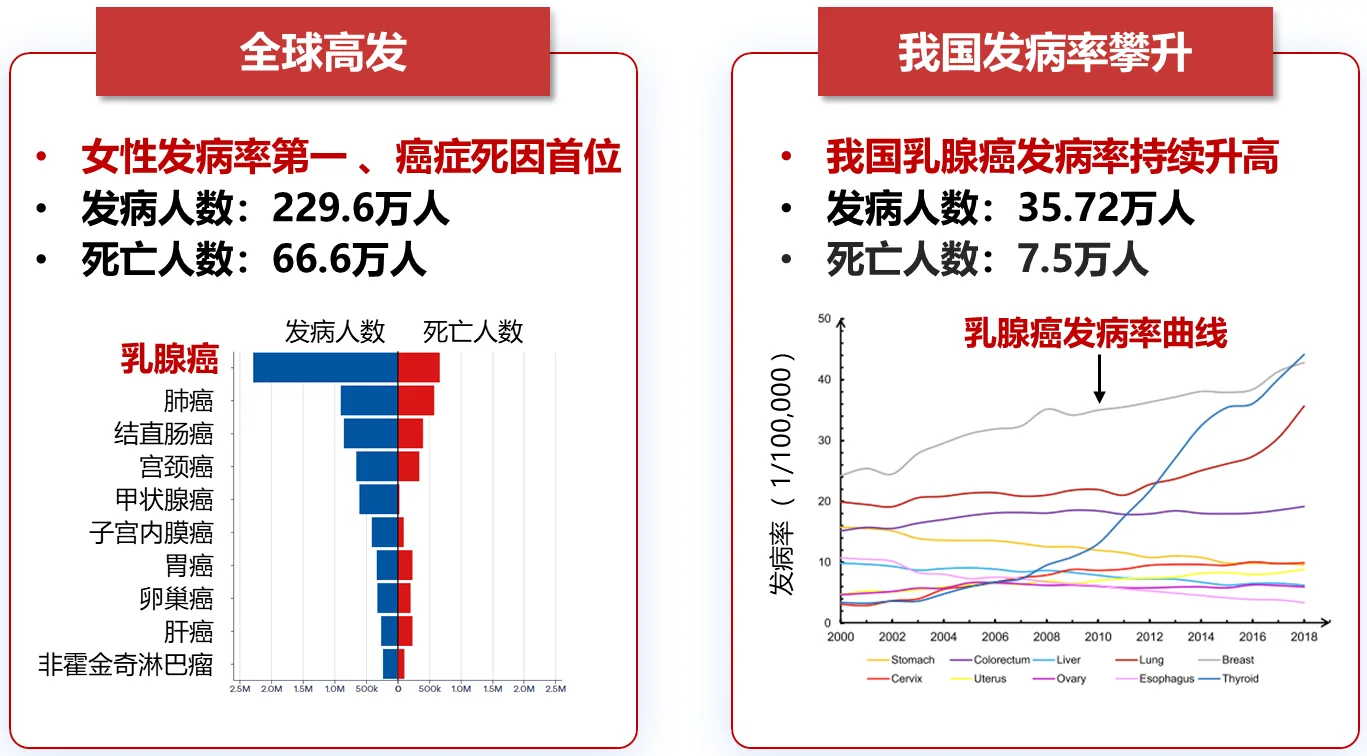
Figure 2: Statistical data on the incidence and mortality of breast cancer globally and in my country
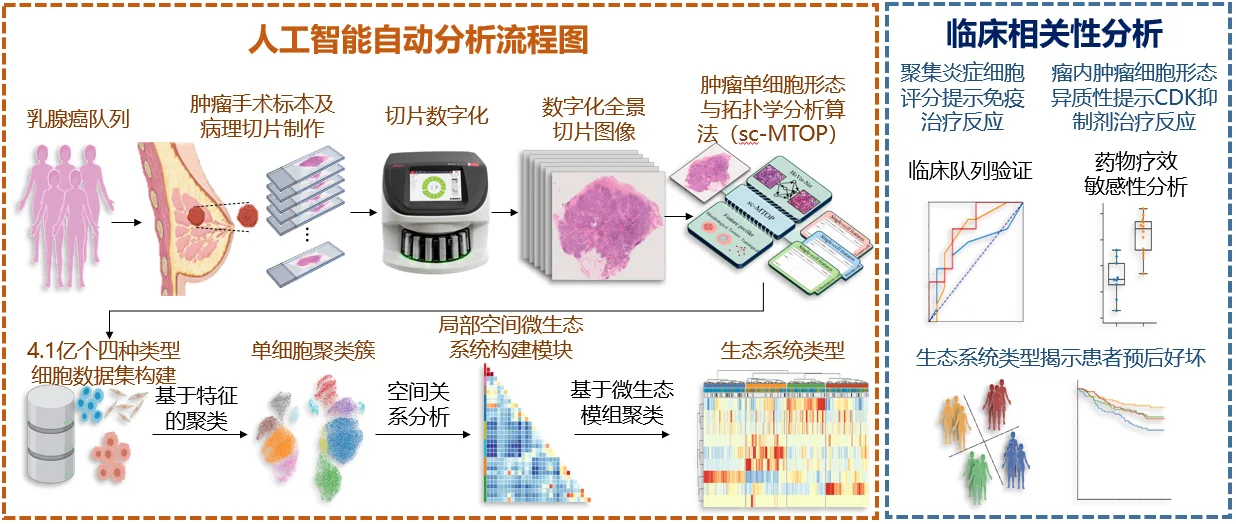
Figure 3: Single-cell morphology and topology maps reveal breast cancer ecosystem diversity
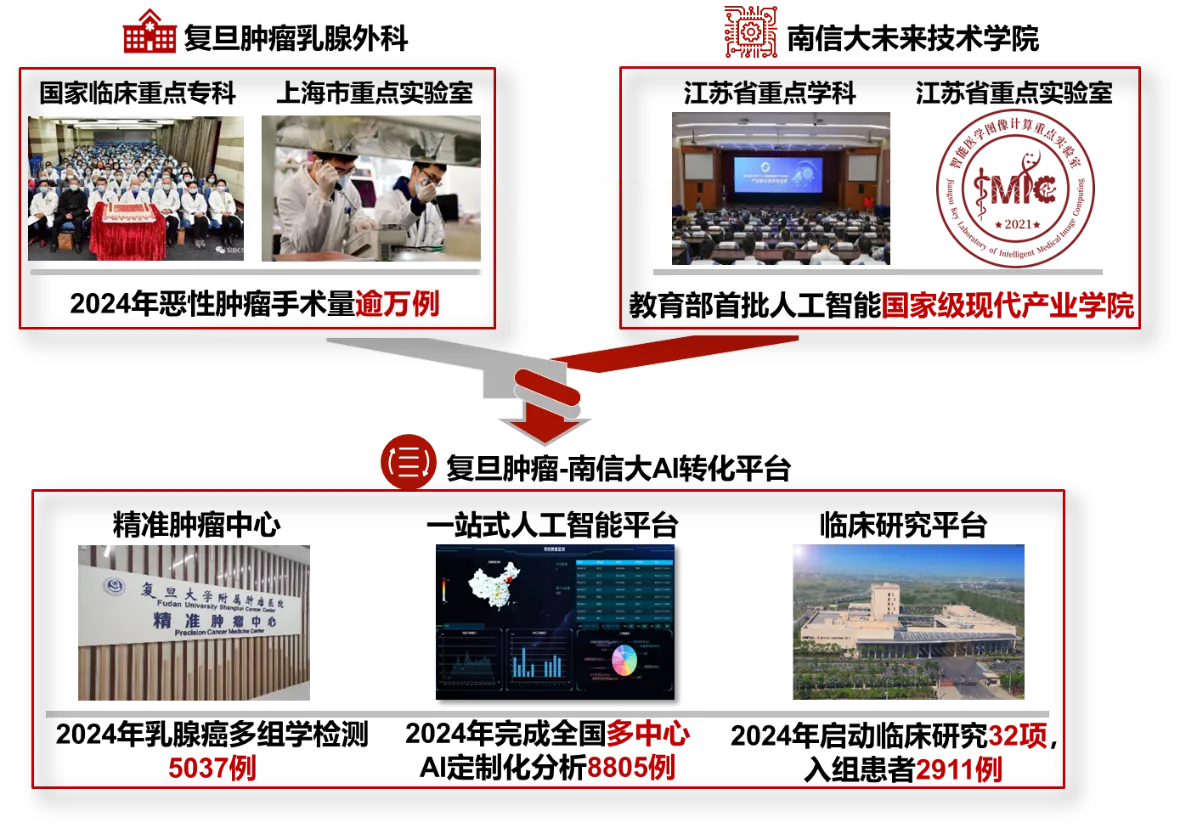
Figure 4: Teams from both sides complement each other’s strengths, forming a new synergy between medicine and industry.
Original link: https://news.nuist.edu.cn/2024/1209/c1147a279341/page.htm
Translated from the original Chinese source.