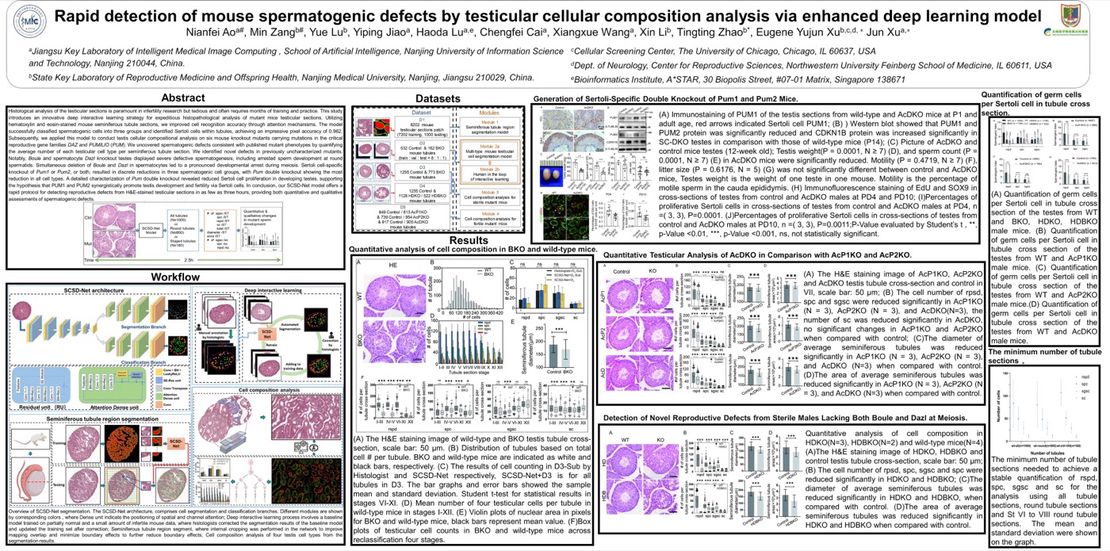
Xu Jun attended the first annual meeting of the Asian Society of Digital Pathology and gave an academic report
- IMIC Lab
- Events , Academic report
- November 30, 2024
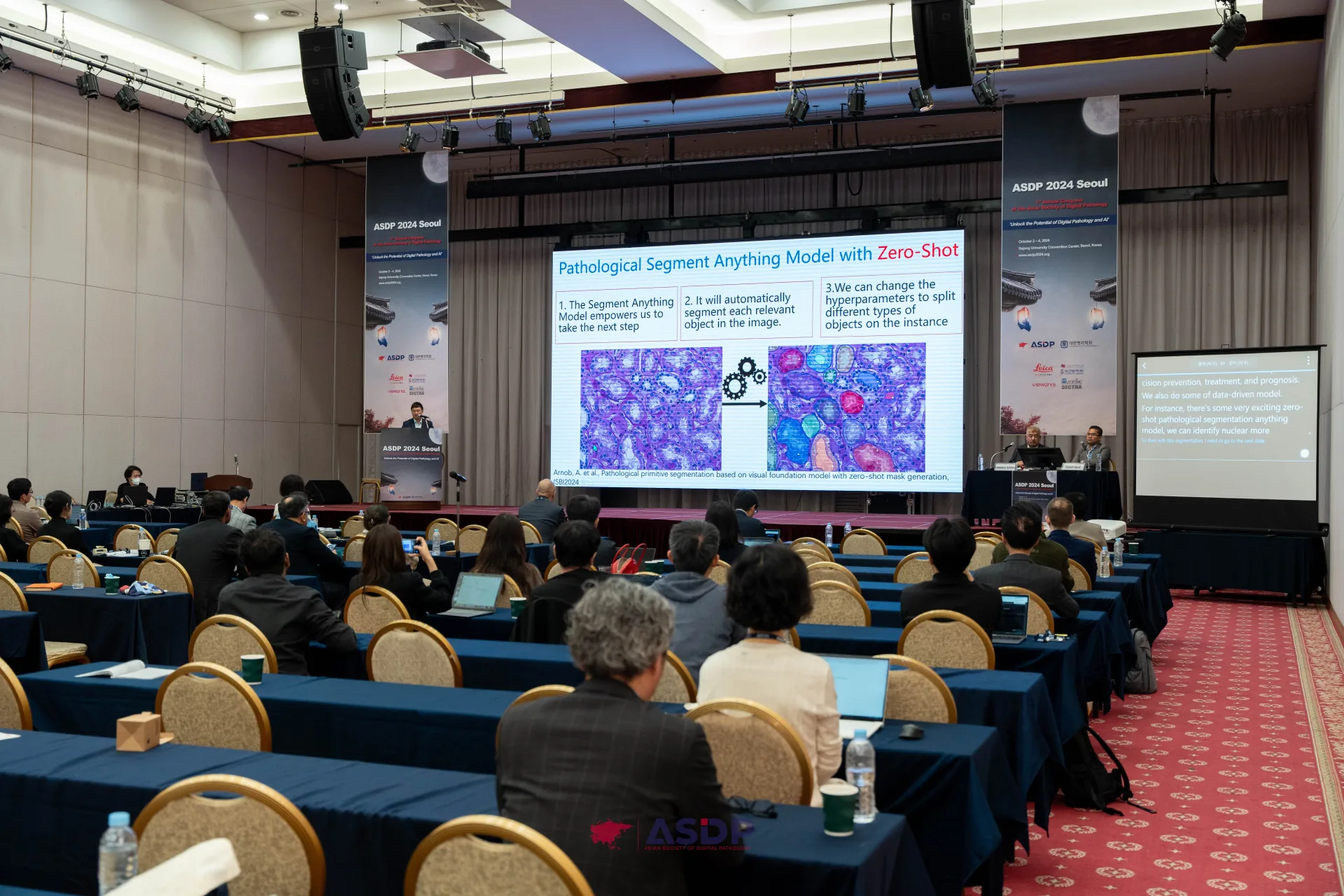
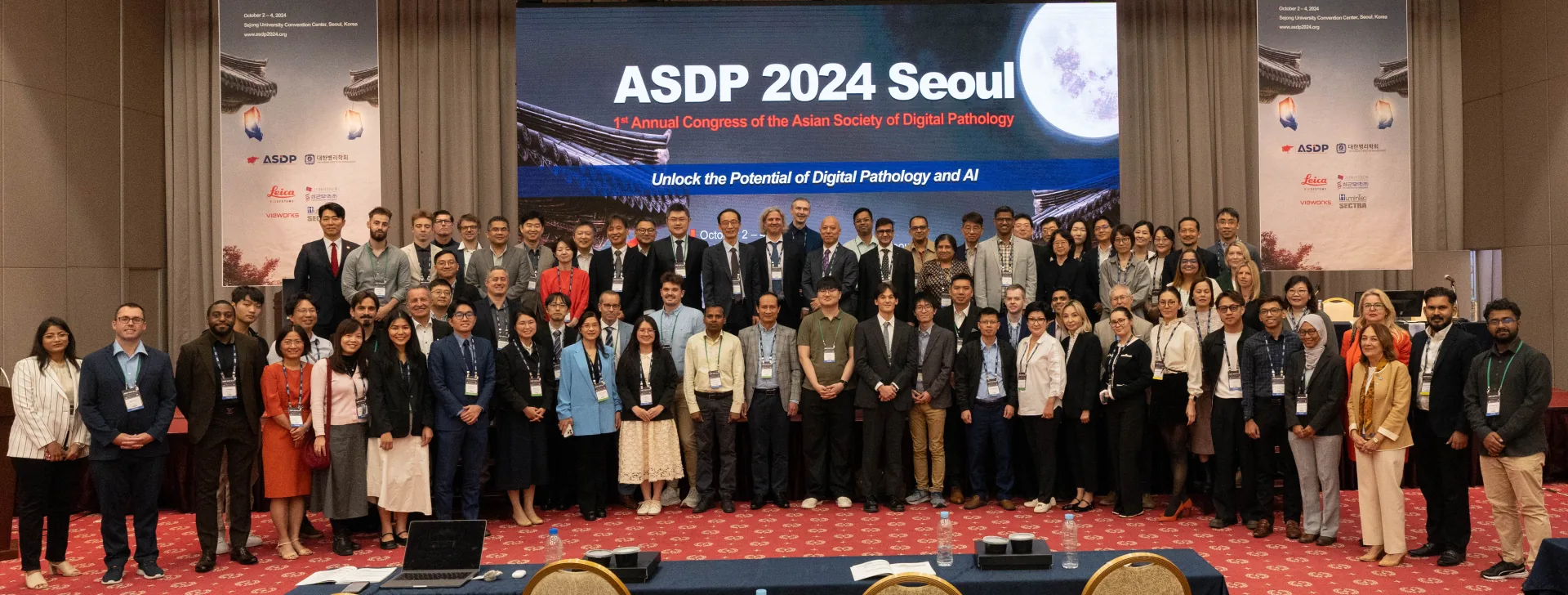
The first annual meeting of the Asian Society of Digital Pathology will be held on October 2-4, 2024 at the Sejong University Conference Center in Seoul, South Korea. The theme of this annual meeting is: Unlock the Potential of Digital Pathology and AI. The conference invited pathologists from the United States, Europe, and Asia, university professors engaged in digital pathology and artificial intelligence research, digital pathology engineers, and experts in the field of digital pathology. Xu Jun was invited to attend the conference and gave an academic report titled: Explainable AI in Pathology (Explainable Artificial Intelligence in Pathology), and also chaired the academic report of the Generative AI and LLM in Pathology (Generative AI and Large Language Model in Pathology) branch.
Further reading
Founded in 2024, the Asian Society of Digital Pathology (ASDP) is a non-profit organization dedicated to connecting a renowned expert community of experienced pathologists, pioneering engineers, digital pathology industry collaborators, and technicians and trainees across Asia.
ASDP’s mission is to promote widespread adoption of digital pathology and artificial intelligence (DP-AI) technologies, standardize practice across the region, and serve as a dynamic gateway for academic and industry partners seeking to participate in Asia’s dynamic healthcare industry.
The 1st ASDP Annual Conference is ASDP’s first face-to-face meeting and will include the status and guidance of digital pathology and artificial intelligence in Asia, a joint workshop with the world’s leading digital pathology associations (DPA, ESDIP), ethical and regulatory issues in digital pathology, recent advances in pathology imaging, a digital pathology education session and networking time with digital pathology professionals, trainees and industry. This conference is supported by the Korean Pathological Society.
ASDP promotes a vibrant exchange of knowledge between member countries, fosters close collaboration between academia and industry, and drives research and development that will shape the future of pathology. As we embark on this journey, we invite you to join us in shaping a future where digital pathology transcends boundaries, improves diagnostic accuracy and ultimately improves patient care in Asia and beyond. Together, ASDP can forge a path toward a more connected, technologically advanced healthcare landscape. Join us on this exciting journey, where every click brings you closer to the pulse of innovation.
The website of the 1st Asian Society of Digital Pathology Annual Conference: https://www.asdp2024.org/html/
Mission of the Asian Society of Digital Pathology
- Promote and advocate for the adoption of digital pathology
ASDP aims to spearhead initiatives to encourage widespread adoption of state-of-the-art digital pathology technologies and best practices in Asian countries. This includes advocating for policy changes, sharing success stories and providing educational resources to facilitate seamless integration.
- Promote collaborative research and development
ASDP seeks to catalyze collaborative research and development projects that address regional healthcare challenges in Asia. By fostering partnerships between research institutions, healthcare practitioners, and technology innovators, ASDP works to drive impactful advances in the field.
- Organize international knowledge dissemination activities
The association is dedicated to organizing and conducting international knowledge, webinars, seminars, workshops and educational programs. These events serve as a platform to disseminate cutting-edge knowledge, share best practices and create a dynamic environment for professionals and researchers in the field of digital pathology.
- Develop and endorse standardized guidelines
ASDP is actively involved in developing and endorsing standardized guidelines. These guidelines cover key aspects such as data sharing protocols, system interoperability standards and ethical considerations. ASDP’s commitment to these guidelines ensures responsible and effective implementation of digital pathology systems in diverse healthcare sectors in Asia.
- Establish partnerships with legal entities
ASDP recognizes the importance of working with legal entities, including academic institutions, healthcare organizations, technology companies, and industry stakeholders. The association actively cultivates partnerships to support and drive innovation, ensuring advances in digital pathology are aligned with the changing needs of the healthcare industry.
- Encourage continuing education and professional development
ASDP strongly emphasizes continuous learning and professional development in the field of digital pathology. The association supports initiatives that provide ongoing education, training programs and certification opportunities for healthcare professionals, ensuring a skilled workforce capable of taking advantage of the latest advances in digital pathology.
- Advocate for regulatory support and policy development
ASDP is actively involved in advocacy efforts to gain regulatory support and contribute to policy development related to digital pathology. Through collaboration with government agencies and relevant stakeholders, ASDP aims to create an environment conducive to the responsible and effective integration of digital pathology technologies into the healthcare system.
Translated from the original Chinese source.