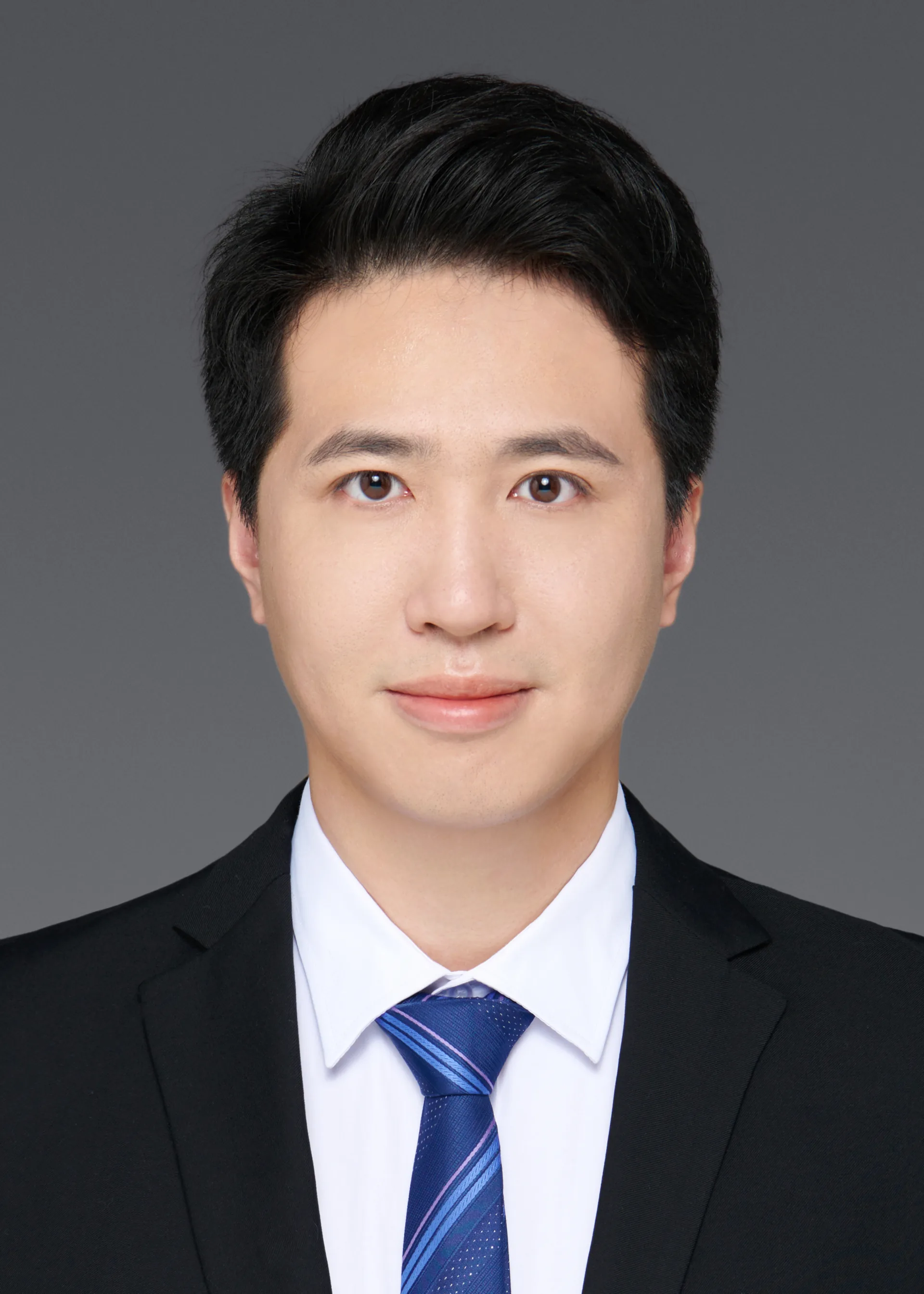
Yang Weiyi

Yang Weiyi

Yang Weiyi, Ph.D., is currently a lecturer at the School of Artificial Intelligence of Nanjing University of Information Science & Technology, a core member of the Jiangsu University Key Laboratory of Intelligent Medical Image Computing and the Smart Medical Research Institute, and a youth committee member of the Chinese Research Hospital Association. He graduated from the School of Communication Engineering of Jilin University with a bachelor’s degree and a doctoral degree, and received his doctorate in October 2022. He went to the Department of Biomedical Engineering at McGill University for joint training and studied under Robert E Kearney, an academician of the Canadian Academy of Engineering and an academician of the American Academy of Biomedical Sciences. Now he is mainly engaged in research in the fields of biomedical signal processing and the development of intelligent diagnostic systems. Currently, he is presiding over the Jiangsu Provincial Basic Research Program Natural Science Foundation (2024.09-2027.08). He has published more than 20 SCI academic papers in high-level international journals such as “Information Sciences”, “Knowledge-based systems”, and “Artificial intelligence in medicine”. Google Scholar shows that the paper has been cited more than 500 times, with the highest number of citations for a single article being 152 times. He has served as a reviewer for high-level SCI journals such as Information Fusion and Information Sciences. Has applied for multiple invention patents, 4 of which have been authorized.

For more information, please visit my personal homepage: https://faculty.nuist.edu.cn/yangweiyi/zh_CN/index.htm

Research direction:

Multi-mode electrophysiological signal processing: intelligent processing and classification of ECG, PCG, PPG and other electrophysiological signals;

Intelligent diagnosis of cardiovascular diseases: Intelligent diagnosis, classification and staging of arrhythmia, coronary heart disease, myocardial infarction, heart failure and other diseases;

Identification: ECG-based identification;

Diagnosis of other diseases.

Representative papers:

[1] Yang Weiyi , et al. “Automated atrial fibrillation and ventricular fibrillation recognition using a multi-angle dual-channel fusion network.” Artificial intelligence in medicine , 2023, 102680. [2] Yang Weiyi , et al. “A novel method for automated congestive heart failure and coronary artery disease recognition using THC-Net.” Information Sciences, 2021, 568, 427-447. [3] Yang Weiyi , et al. “Automated intra-patient and inter-patient coronary artery disease and congestive heart failure detection using EFAP-Net.” Knowledge-Based Systems, 2020, 201: 106083.

[4] Yang Weiyi , et al. “Automatic recognition of arrhythmia based on principal component analysis network and linear support vector machine” Computers in biology and medicine, 2018, 101: 22-32.

[5] Yang Weiyi , et al. “A novel method for identifying electrocardiograms using an independent component analysis and principal component analysis network.” Measurement, 2020, 152, 107363.

[6] Yang Weiyi , et al. “Automatic recognition of coronary artery disease and congestive heart failure using a multi-granularity cascaded hybrid network.” Biomedical signal processing and control , 2023, 105332.

[7] Yang Weiyi , et al. “Detection of differences of cardiorespiratory metrics between non-invasive respiratory support modes using machine learning methods.” Biomedical signal processing and control , 2023, 105028.


Translated from the original Chinese source.
Share :

Related Posts

Lu Jian

Lu Jian

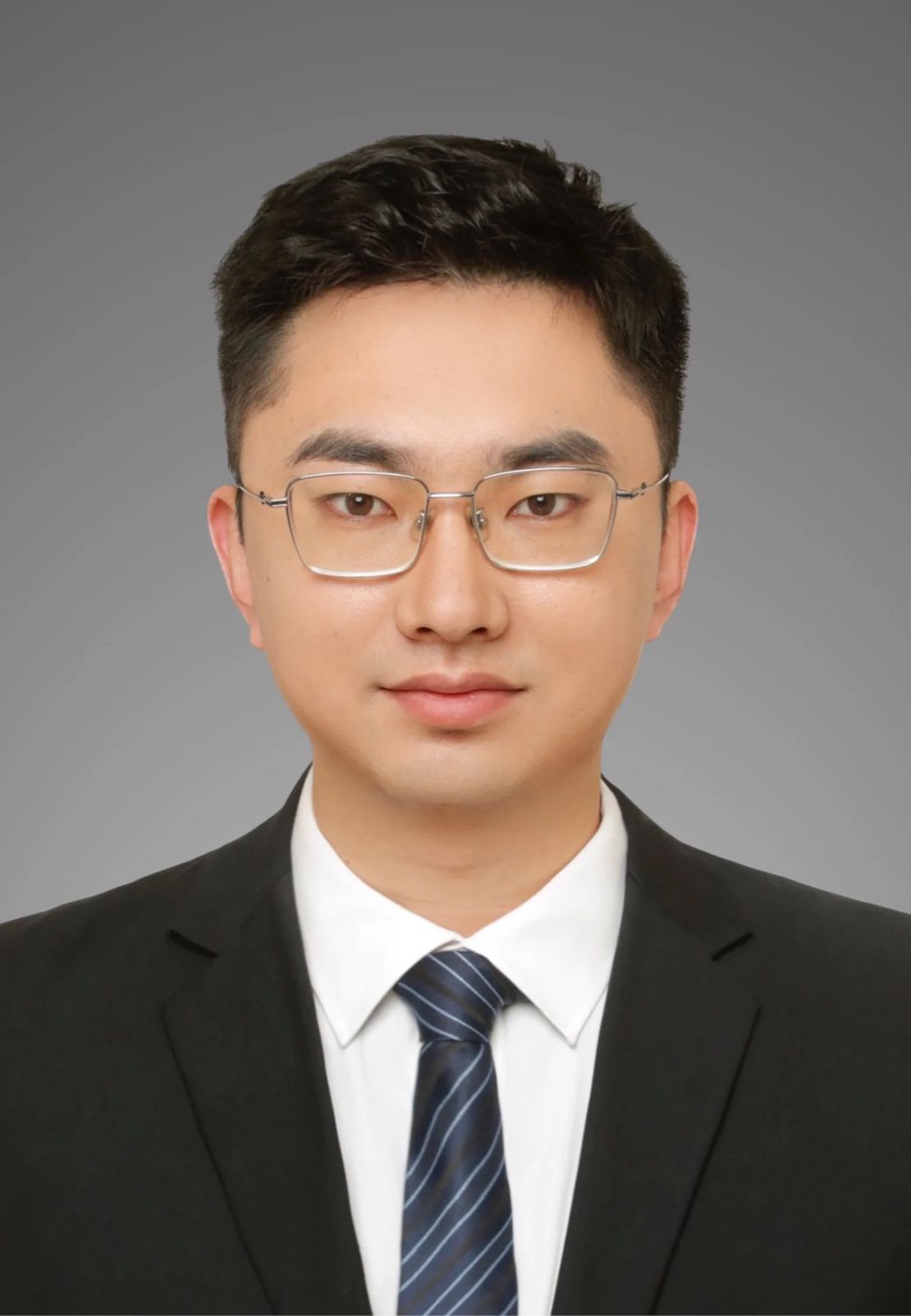
Lu Jian, Ph.D. in Imaging Medicine and Nuclear Medicine, is an attending physician at the Interventional and Vascular Surgery Department of Zhongda Hospital Affiliated to Southeast University, a best young scholar at Southeast University, a postgraduate tutor at the School of Medicine, and a young and middle-aged academic leader in Jiangsu Province’s “333 High-Level Talent Training Project.” Selected into the National High-Level Talent Program. Focusing on innovative areas of tumor treatment such as radioactive particle stents and interventional surgical robots, the research results have been recommended by 7 domestic and foreign medical guidelines. Main research directions: intelligent diagnosis and treatment of major diseases, research and development of intelligent interventional devices, and clinical research on artificial intelligence.

Read More
Cao Zheng

Cao Zheng

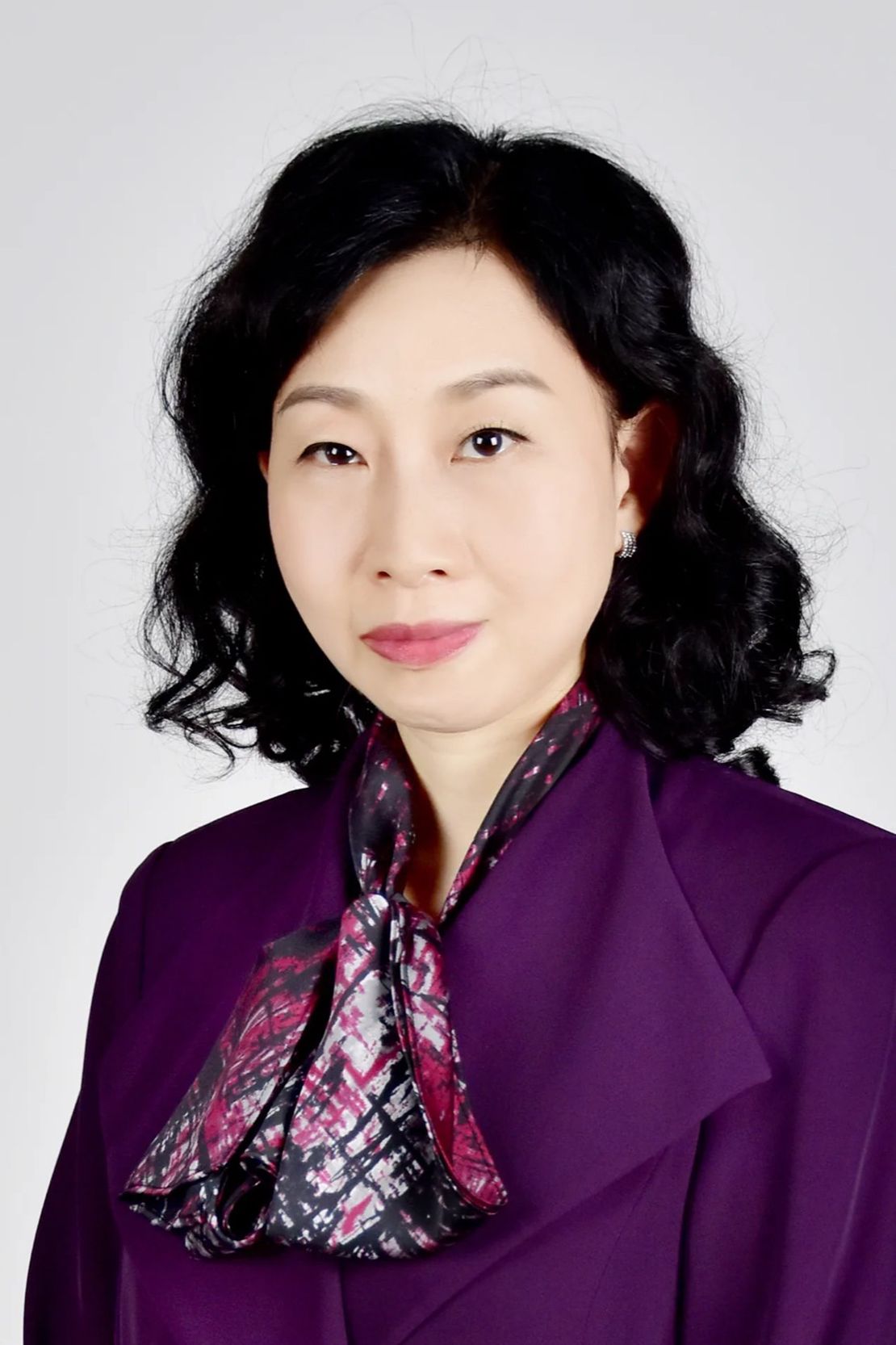
Cao Zheng, Ph.D., is currently a lecturer at the School of Artificial Intelligence of Nanjing University of Information Science & Technology, and a core member of the Jiangsu University Key Laboratory of Intelligent Medical Image Computing and the Smart Medical Research Institute. Graduated with a PhD from the School of Computer Science and Technology, Zhejiang University in 2024. The research direction is medical artificial intelligence methods driven by domain knowledge, mainly including medical imaging intelligent diagnosis, biological/chemical informatics and AI4Science. He has published more than ten papers in top industry journals and conferences, been cited more than 200 times, and has been authorized more than 40 Chinese invention patents. He has received more than ten commendations from Zhejiang University, including Outstanding Graduate Students, Three/Five Best Graduates, Outstanding Youth League Cadres, and Outstanding Graduate Students. Served as a reviewer for several journals or conferences such as Information Fusion, Briefings in Bioinformatics, Artificial Intelligence Review, Neruocomputing, Scientific Reports, Multimedia Systems, etc.

Read More
Ge Zheng

Ge Zheng

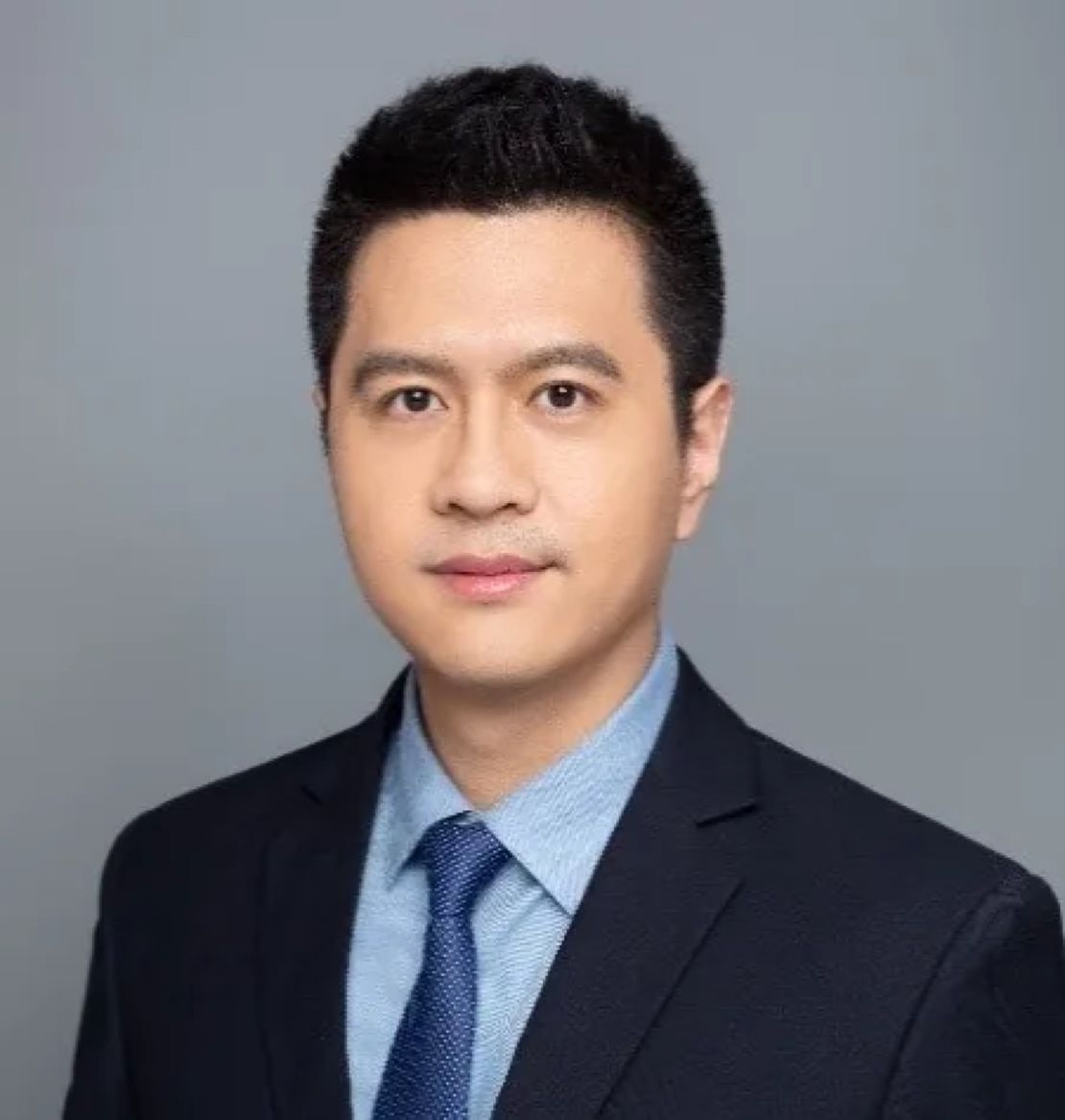
Ge Zheng, doctor of medicine, chief physician, professor, doctoral supervisor, and postdoctoral co-supervisor. Currently, he is the director of the Hematology Department of Zhongda Hospital Affiliated to Southeast University, the director of the Institute of Hematology of Southeast University, the director of the International Collaborating Laboratory of Hematology, the director of the Collaborative Transformation Innovation Center for Precision Diagnosis and Treatment of Malignant Hematological Diseases of Jiangsu Research Hospital Association, and the director of the Leukemia and MDS Center of Nanjing Zhongda. Main research directions: medical-engineering integration of hematological malignancies, clinical transformation, artificial intelligence precision diagnosis and treatment, medical big data, etc. He has presided over 4 projects of the MMAAP Medical Fund of the United States, 4 general projects of the National Natural Science Foundation of China, 20 provincial key research and development projects, etc., and is a young and middle-aged leading talent of Jiangsu Province’s “333 High-level Talent Project” and a key medical talent of Jiangsu Province. Research results have been published in authoritative journals in the field of hematology such as Blood and Leukemia. He serves as a member of the Hematology Branch of the Chinese Medical Doctor Association, a member of the Hematology Branch of the Chinese Society of Integrated Traditional Chinese and Western Medicine, a member of the Hematology Branch of the Chinese Society of Traditional Chinese Medicine, a member of the Hematology Branch of the Chinese Geriatrics Society, the deputy director of the Hematology Branch of the Jiangsu Provincial Medical Association and the deputy leader of the leukemia group, the vice president of the Hematology Physician Branch of the Jiangsu Medical Doctors Association, the chairman of the Leukemia and MDS Special Committee of the Jiangsu Research Hospital Association, and the deputy chairman of the Hematology Branch of the Jiangsu Geriatrics Society.

Read More