Professor Shan Jinjun’s team from Nanjing University of Chinese Medicine came to the Smart Medical Research Institute for academic exchanges
- IMIC Lab
- News , Comprehensive news
- November 9, 2023
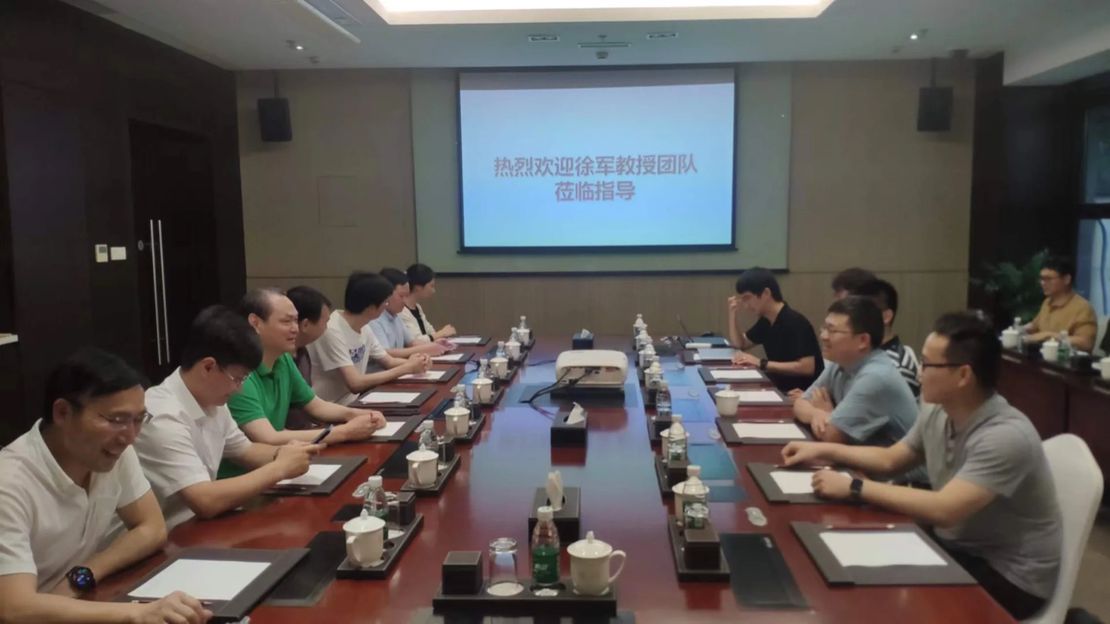
On the afternoon of November 8, the Smart Medical Research Institute invited a team of professors Shan Jinjun from the First Clinical School of Nanjing University of Chinese Medicine to come to the school for academic exchanges. Vice Dean Xu Jun, Dr. Gan Xiao, Dr. Ren Mucheng of the School of Artificial Intelligence of our school, Associate Professor Gao Bei of the School of Marine Science, as well as Professor Shan Jinjun, Dr. Li Mengyuan, and doctoral candidates Zhang Qinchang and Tao Yuquan of Nanjing University of Chinese Medicine participated in the meeting.
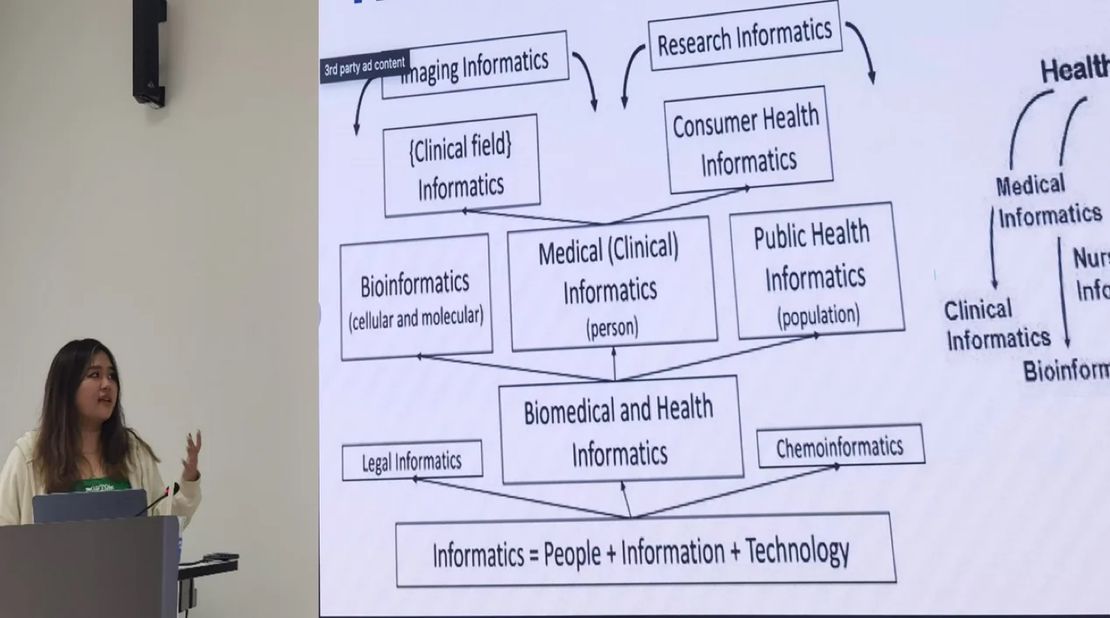
Dr. Gan Xiao from the Smart Medical Research Institute team first gave a report on the theme of “Network Medicine Reveals the Relationship between Chinese Medicine and Diseases”. Dr. Gan introduced the network medicine theory that uses topological relationships on human protein networks to describe the relationship between Chinese medicine and disease treatment. Subsequently, Dr. Ren Mucheng gave a report titled “TCM-SD: A benchmark test for natural language processing to assist traditional Chinese medicine syndrome differentiation.” Focusing on this topic, Dr. Ren first discussed the correlation between natural language processing (NLP) and traditional Chinese medicine (TCM) and the need for interdisciplinary research between the two fields. He then focused on how NLP can be used to accomplish traditional diagnostic tasks in Traditional Chinese Medicine, outlining benchmarking and model training involved. Finally, the application of the most popular large-scale language model in the field of traditional Chinese medicine is discussed and prospected.
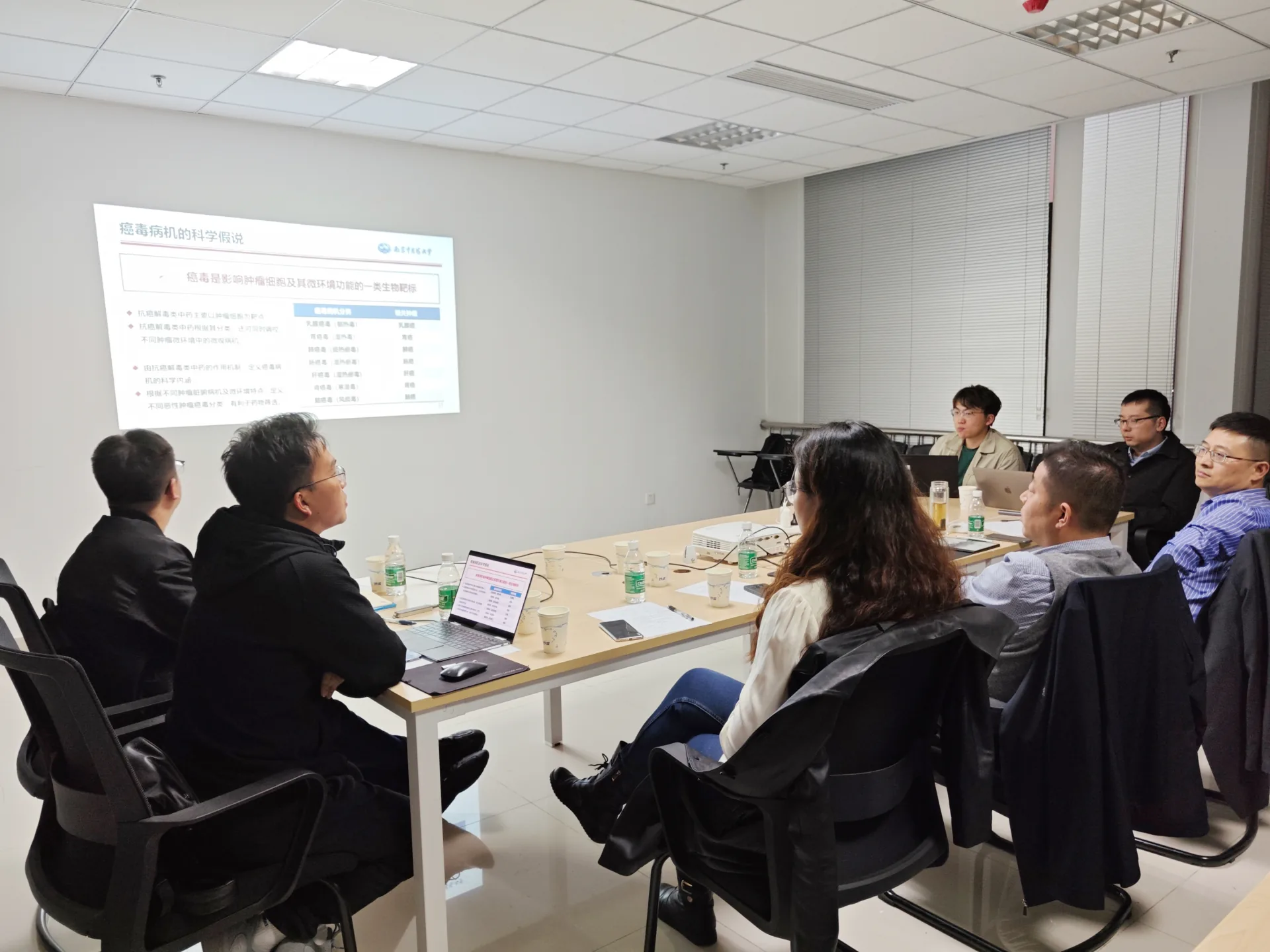
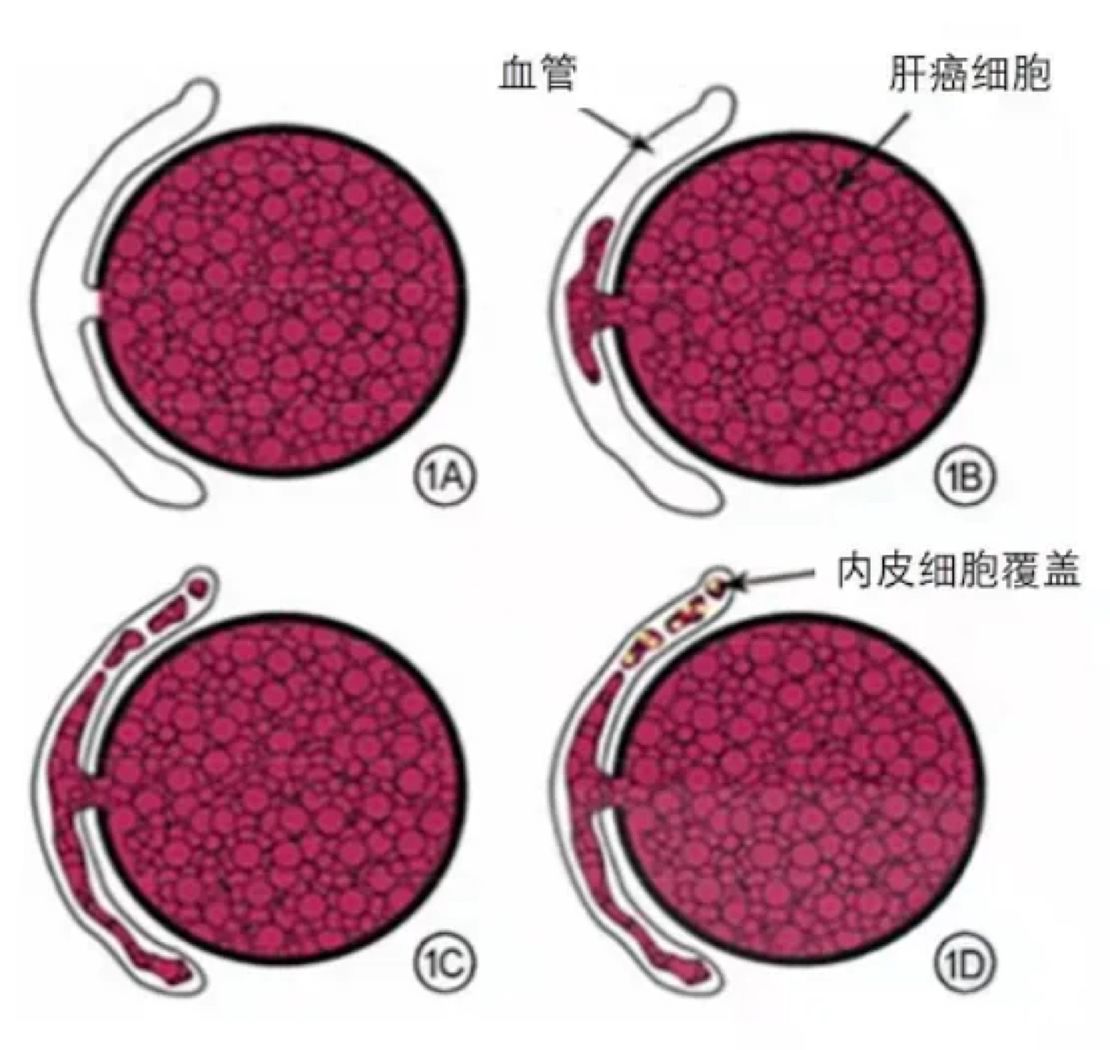
Then, Professor Shan Jinjun’s team from Nanjing University of Chinese Medicine introduced the research progress of traditional Chinese medicine system biology, the academic connotation of traditional Chinese medicine pathogenesis theory, and the combination of traditional Chinese medicine prescriptions and disease syndromes. Finally, Vice President Xu Jun gave a brief introduction to the Smart Medical Research Institute.
The academic atmosphere was strong during the meeting, and both participants raised questions and had in-depth discussions. They had a long and in-depth exchange from the collection and standardization of hospital data, to how to cross-integrate multi-modal network data, and the application prospects of traditional Chinese medicine-related research. During the meeting, the two parties discussed the prospects of combining artificial intelligence and information science, such as network science and natural language processing, with the field of traditional Chinese medicine. Both parties agreed to further promote and strengthen cooperation between the two parties in the field of intelligent traditional Chinese medicine.
Introduction to Professor Shan Jinjun
Shan Jinjun, Ph.D., professor, is the deputy director of the Jiangsu Provincial Key Laboratory of Pediatric Respiratory Diseases (TCM), the deputy director of the Institute of Pediatrics of Traditional Chinese Medicine at Nanjing University of Chinese Medicine, and the Chinese head of the Nanjing University of Chinese Medicine-UC Davis Medical Metabolomics Joint Laboratory. Visiting scholar at the NIH West Coast Metabolomics Center at the University of California, Davis, young and middle-aged academic technology leaders in Jiangsu Province’s “333 High-Level Talent Cultivation Project”, young and middle-aged academic leaders in the “Qinglan Project” of Jiangsu Province’s universities, and high-level talent selection and training targets in Jiangsu Province’s “Six Talent Peaks”.
Research direction: metabolomics and traditional Chinese medicine. Hosted more than 10 projects of the National Natural Science Foundation of China; published more than 70 academic papers as the corresponding or first author in journals such as Gut, Metabolism, Pharmacol Res, etc., and collaborated with colleagues to publish dozens of papers in journals such as Sci Immunol and Nat Commun; obtained 7 national invention patents (1 transferred), and applied for 1 PCT patent won the second prize of the Science and Technology Progress Award of the Ministry of Education, the third prize of the Jiangsu Province Science and Technology Progress Award, the second prize of the World Federation of Traditional Chinese Medicine International Contribution Award - Science and Technology Progress Award, and the first/second prize of the Jiangsu Traditional Chinese Medicine Science and Technology Award.
He is currently the executive director and deputy secretary-general of the Children’s Medical and Health Products Industry Branch of the World Federation of Chinese Medicine, the executive director of the Pharmacology Professional Committee of the World Federation of Chinese Medicine Network, the executive director of the Pediatric Professional Committee of the World Federation of Chinese Medicine, a member of the Precision Medicine Branch of the Chinese Society of Traditional Chinese Medicine, a director of the Pediatric Branch of the Chinese Society of Traditional Chinese Medicine Information Research, a youth committee member of the Traditional Chinese Medicine Experimental Pharmacology Branch of the Chinese Society of Traditional Chinese Medicine, etc., and is a member of SCI magazines such as Chinese Medicine, Journal of Traditional Chinese Medicine, World Journal of Traditional Chinese Medicine, and “World Science and Technology - Young editorial board member of “Modernization of Traditional Chinese Medicine”, “World Traditional Chinese Medicine”, “Journal of Nanjing University of Traditional Chinese Medicine”, etc.
Translated from the original Chinese source.