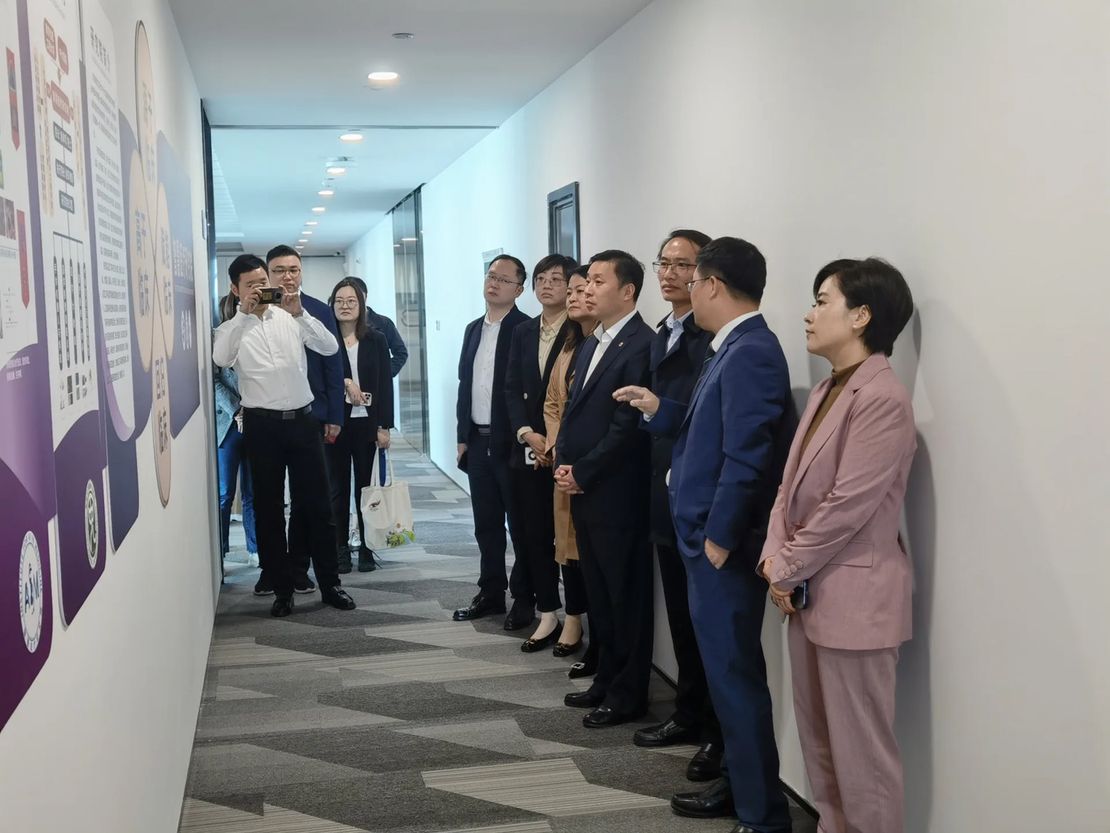
The Smart Medical Research Institute team visited many hospitals in Shanghai for exchanges

Subsequently, the institute team conducted academic exchanges with the team of Director Zhou Zhengrong of the Department of Radiation Diagnosis of Fudan Cancer Hospital. Department of Radiation Diagnosis Dr. Xie Tiansong and Dr. Liu Wei gave academic reports on “Progress in Imaging Diagnosis of Neuroendocrine Tumor Liver Metastasis” and “Progress in Imaging Research of Pancreatic Cancer” respectively. They introduced the current research progress of neuroendocrine tumor liver metastasis and pancreatic cancer to the engineering team of the Smart Medical Research Institute, and raised scientific issues of clinical concern. The two parties had a heated discussion on how to use advanced artificial intelligence technology to solve clinical concerns and formulated plans for further cooperation.

Since the establishment of the Smart Medical Research Institute, with the care and support of school leaders and sister units, it has actively expanded outward, communicated and cooperated, and is committed to promoting innovative research and application of new artificial intelligence technologies in clinical work. Through this communication and exchange, the engineering team of the Smart Medical Research Institute has a further in-depth understanding of the clinical problems, needs and challenges of the hospital. At the same time, by sharing the latest research results and solutions of the Smart Medical Research Institute with clinicians, the mutual understanding between the two parties can be strengthened to further condense the direction of future cooperation. This exchange event strengthened communication and cooperation between the Smart Medical Research Institute and top domestic hospitals, and will help promote the application of artificial intelligence technology in the medical field in the future.
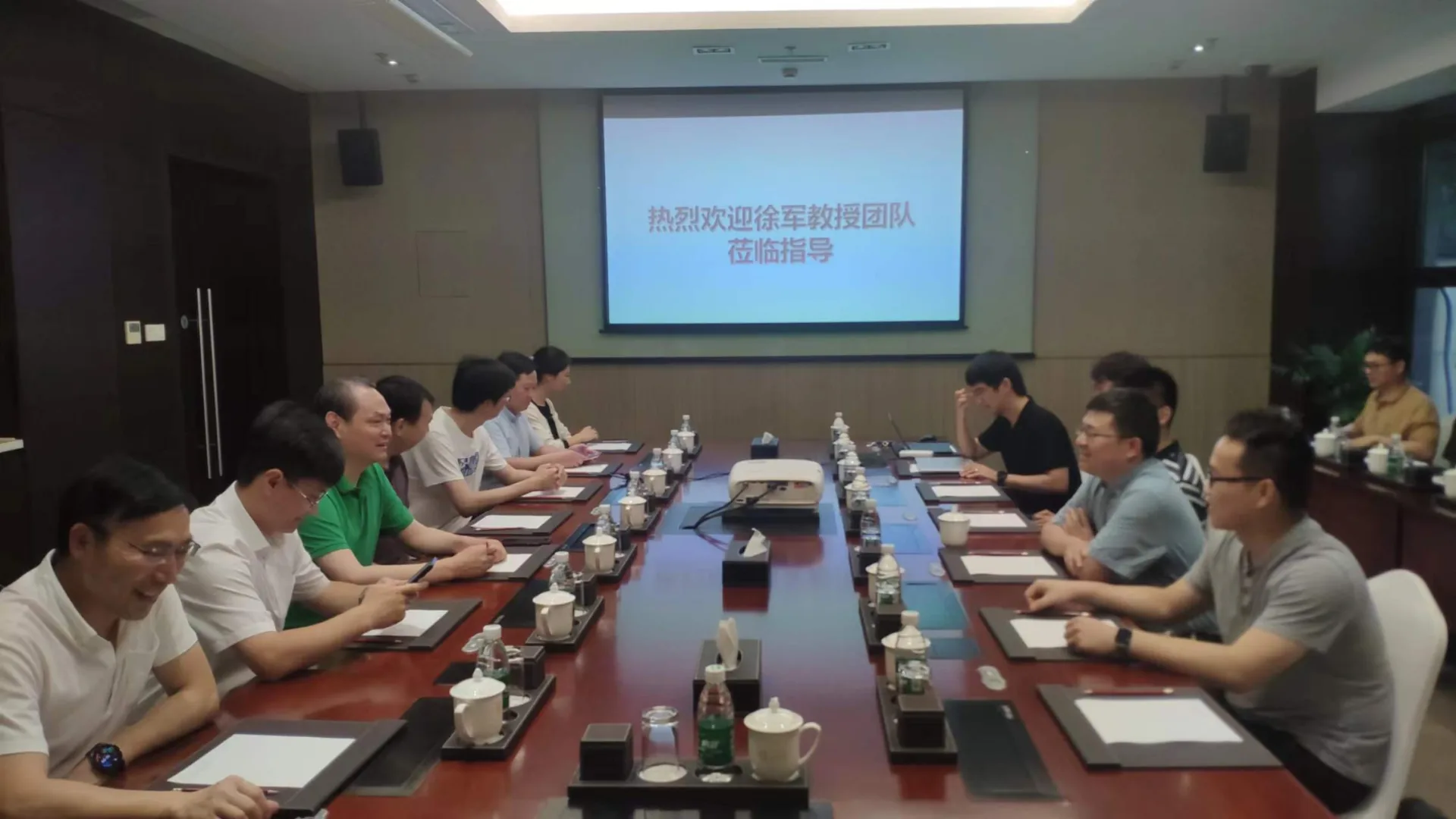
The Smart Medical Research Institute team visited many hospitals in Shanghai for exchanges


Translated from the original Chinese source.
Tags :
Share :

Related Posts

The paper jointly written by Zhou Zhenghao, a graduate student at the Smart Medical Research Institute, and Dr. Xia Yi from CUHK Hospital was accepted by Radiology, the top journal in the field of medical imaging.

The paper jointly written by Zhou Zhenghao, a graduate student at the Smart Medical Research Institute, and Dr. Xia Yi from CUHK Hospital was accepted by Radiology, the top journal in the field of medical imaging.

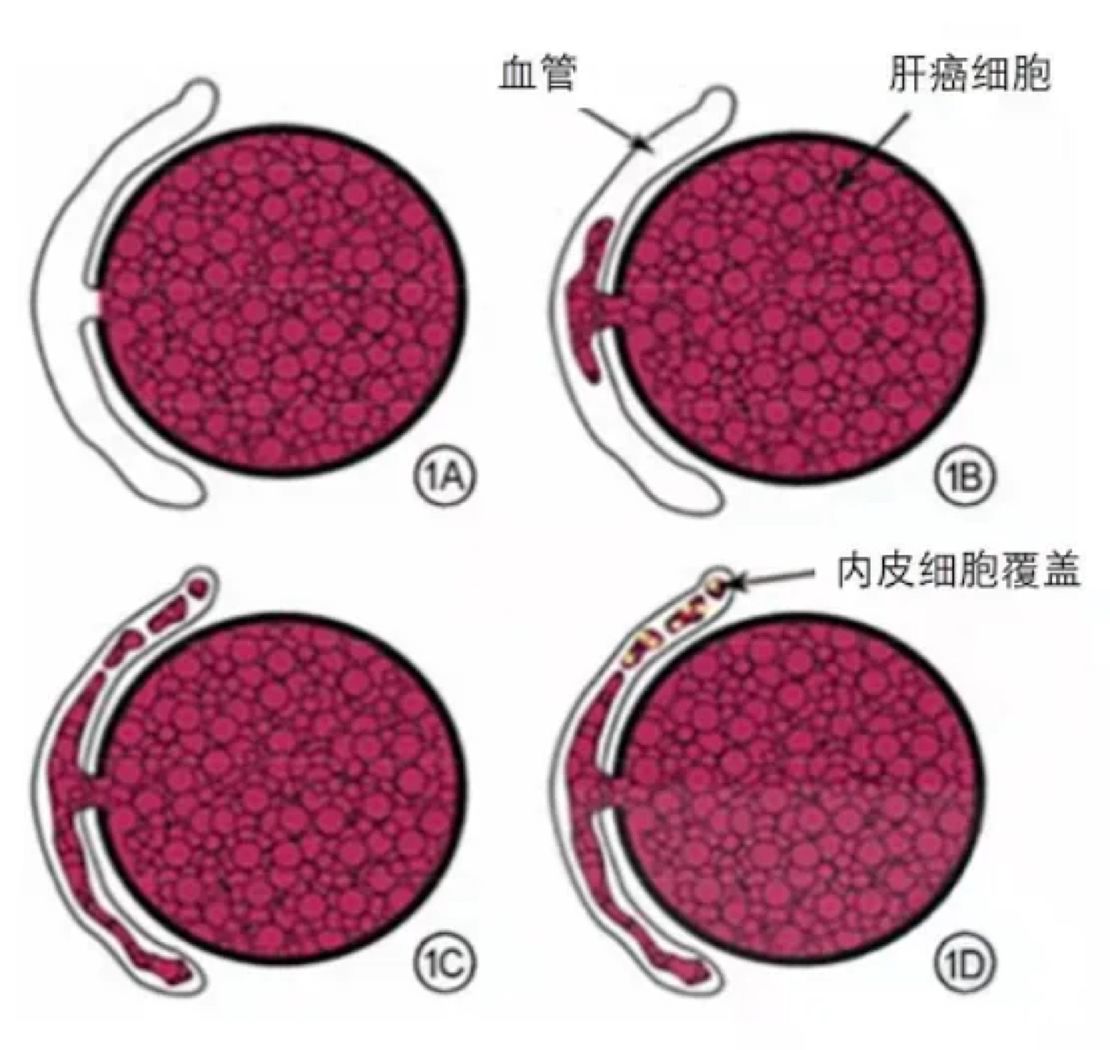
Research background With the innovation of imaging diagnosis technology, advances in surgical procedures, and the use of targeted and immunological drugs, the overall survival of patients with hepatocellular carcinoma (HCC) has greatly improved, but the 5-year survival is still low. One of the reasons is that patients already have microvascular invasion (MVI) when they are diagnosed. MVI refers to the invasion of microvessels by tumors. Under the microscope, nests of cancer cells are seen in the vascular lumen lined with endothelial cells. They are commonly found in small portal vein branches and hepatic vein branches in the adjacent liver tissue, as shown in Figure 1. The incidence rate of MVI is between 15% and 57.1%. Its occurrence indicates that the biological behavior of HCC is more aggressive. Therefore, it is an important factor affecting the prognosis of liver cancer and an important reference for the formulation of treatment plans. In recent years, a large number of studies have attempted to use CT, MRI and other imaging methods combined with clinical and laboratory indicators to predict MVI preoperatively, which can help guide treatment decisions for patients with liver cancer.

Read More
Ji Fang, Vice Mayor of Kunshan City, and his delegation visited the Smart Medical Research Institute for investigation

Ji Fang, Vice Mayor of Kunshan City, and his delegation visited the Smart Medical Research Institute for investigation

On the morning of April 11, Kunshan Vice Mayor Ji Fang led a delegation of heads of the Municipal Talent Office and other relevant departments to the Nanjing University of Information Science & Technology - Zhongda Hospital Smart Medical Research Institute for research and guidance. Yang Chunyan, Secretary of the Party Committee of the School of Chemistry and Materials of our school, and Liu Yuhua, Deputy Director of the Organization Department of the School Party Committee, accompanied the visit.

Read More
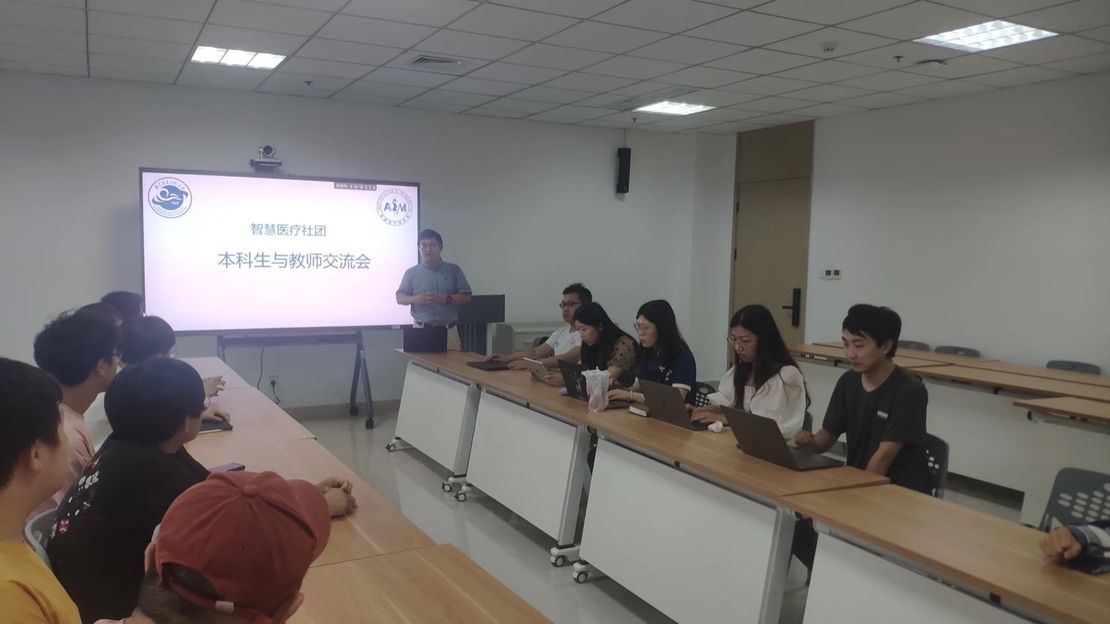
Smart Medical Association undergraduates and teachers held teacher-student discussions and exchanges

Smart Medical Association undergraduates and teachers held teacher-student discussions and exchanges

In order to better help undergraduates plan their summer studies, guide undergraduates who are interested in scientific research to master scientific research methods and lay the foundation for future scientific research work, on the afternoon of June 30, teachers from the Smart Medical Research Institute and students from the Smart Medical Club held a symposium in the Information Technology Building. During the event, Vice Dean Xu Jun first made a detailed analysis of the possibility of undergraduates participating in scientific research, and he made suggestions for undergraduates who are interested in engaging in scientific research. He pointed out that engaging in scientific research may not be suitable for everyone because it requires a lot of time and energy and the determination to persevere. He encouraged the students of the Smart Medical Club to always maintain curiosity and thirst for knowledge, and constantly strive to learn new knowledge; learn to ask questions, think about problems, and solve problems; learn to cooperate with others and share their ideas and results with others; be brave enough to try new methods and ideas; persevere, not be afraid of failure, and keep trying. He encouraged all smart medical students who are interested in scientific research to receive scientific research training at the Smart Medical Research Institute during the summer vacation. Through scientific research training, they can cultivate the rigorous scientific spirit of undergraduates; improve their innovation awareness and ability, scientific literacy and scientific thinking ability; and cultivate practical ability and teamwork spirit.

Read More