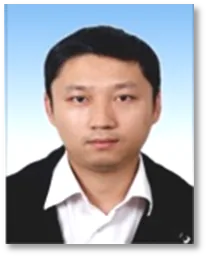
Gu Xiaochun

Gu Xiaochun

Gu Xiaochun, Ph.D., associate professor, researcher at Nanjing Translational Research Institute of Peking University (Jiangbei New District); Ph.D. of Southeast University, 2014 to 2016 He was a visiting scholar and postdoctoral researcher in the Department of Biomedical Engineering at the State University of New York at Stony Brook in the United States. He mainly used advanced imaging technology and new phenotypic technologies to conduct research on neurovascular and neuromodulation. With an interdisciplinary research background, he independently built a multispectral imaging system for synchronized neurovascular imaging and discovered the new role of glial cells in neurovascular coupling, which is important for CR in regulating neurovascular development. He has conducted a series of studies on cell biology, produced a series of relevant genetically modified animal disease animal models, participated in the co-construction of the Nanjing Brain Observatory and co-initiated the “Mesoscopic Brain Functional Connection Atlas” large scientific project.

Major honors include: leader of the National 863 Program; core member of the innovation team of the National Ministry of Science and Technology’s key field of “intelligent imaging and interventional technology” (2019); research backbone of the National Natural Science Foundation of China’s innovative research group; “Vice President of Science and Technology” of Jiangsu Province. The projects he presides over include: National Key Basic Research and Development Plan (973 Plan); National High-tech Research and Development Plan (863 Plan); National Natural Science Foundation of China Youth Fund Project; National Aerospace Preliminary Research Project, etc.

Published more than 20 relevant SCI papers in Cell Reports, NeuroImage, J Neurosci, Human brain mapping and other journals. The research results are recommended for reading by F1000, cited by Neuron, Cell Stem Cell, Nature Communication and other magazines, and he serves on the editorial board of The Radiologist. As the project leader, he undertakes the national 863 project and the National Natural Science Foundation of China project, and as the backbone of the project, he undertakes the research of the national 973 project. Based on research results, we will actively promote the industrial development of neuromodulation technology and artificial intelligence. Focus on the research and development of neuromodulation-related technologies and artificial intelligence solutions, including: neuromodulation device design, neurovascular modulation mechanisms, endovascular interventional ablation design, and artificial intelligence solutions.


Translated from the original Chinese source.

Share :

Related Posts

Li Ling

Li Ling

Li Ling, doctor of medicine from Germany, postdoctoral fellow at UCLA in the United States, chief physician, professor, and doctoral supervisor. Director of the Pancreatic Research Institute of Southeast University, Director of the Glucolipid Metabolism Research Center of Southeast University, Assistant to the President and Director of the Endocrinology Department of Zhongda Hospital Affiliated to Southeast University. He has long been committed to research related to pancreatic endocrine and exocrine diseases and islet function damage, actively promotes the integration of medicine and engineering and innovative transformation, and carries out multi-faceted international cooperation. Published more than 50 papers in SCI journals such as Nature Communications, including 5 high-impact papers with scores of 10 or above. He serves as a communication reviewer for the Department of Medical Sciences of the National Natural Science Foundation of China, a doctoral dissertation review expert for the Ministry of Education, and a guest editor of SCI cutting-edge journals; a youth committee member of the Diabetes Branch of the Chinese Medical Association, a deputy chairman of the Diabetes Branch of the Jiangsu Medical Association, and a deputy chairman of the Endocrinology Branch of the Nanjing Medical Association.

Read More
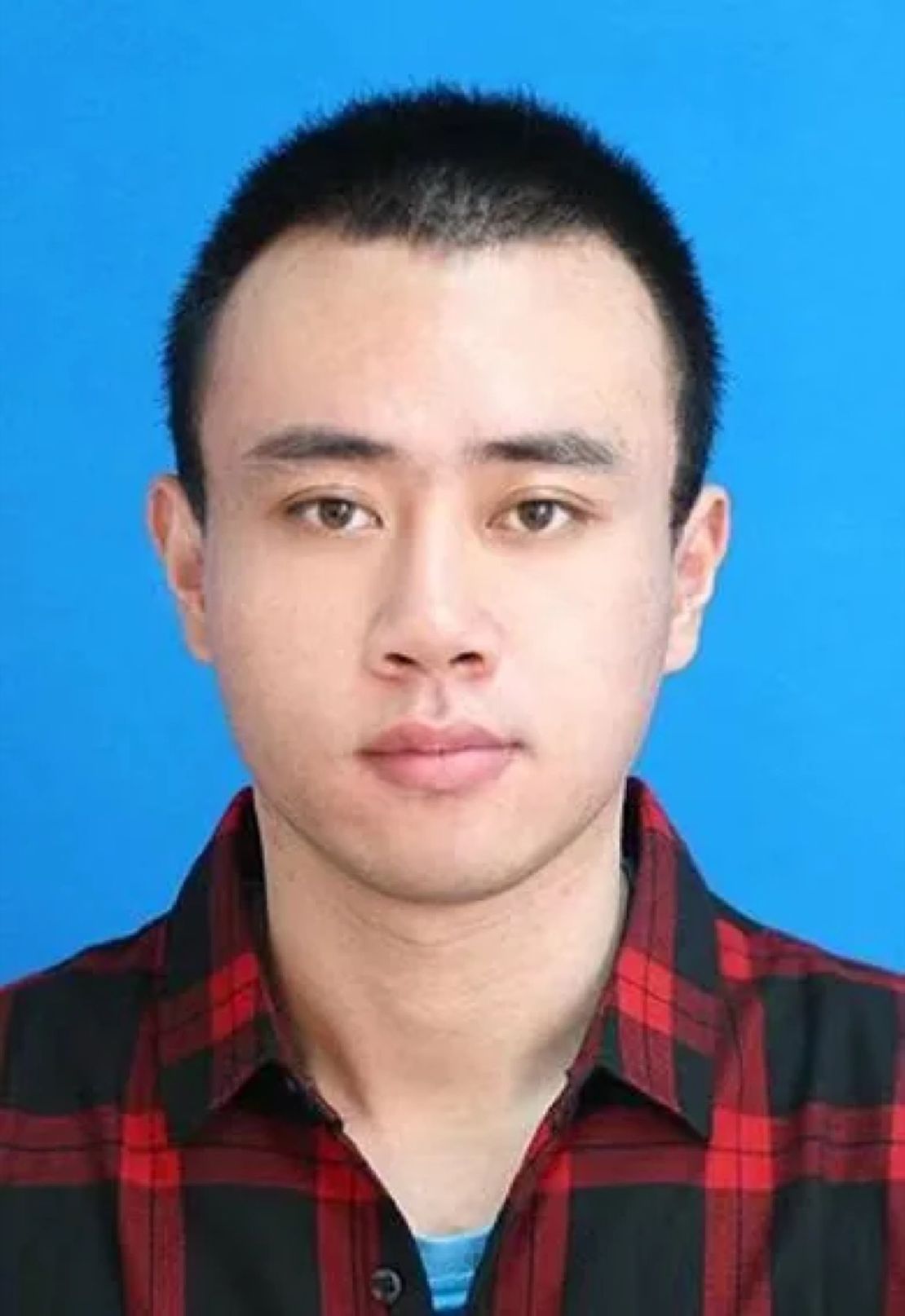
Lu Haoda

Lu Haoda

Translated from the original Chinese source.
Read More
Li Jin

Li Jin

Li Jin is a core member of the Jiangsu University Key Laboratory of Intelligent Medical Image Computing and the Intelligent Medical Research Institute. He graduated from Xiamen University with a bachelor’s degree and a Ph.D. from the School of Biomedical Engineering and Instrument Science, Zhejiang University. He presided over the Youth Project of the National Natural Science Foundation of China and participated in many projects such as the National Natural Science Foundation of China, major scientific research projects of Zhijiang Laboratory, and the British NIHR scientific research projects. During the doctoral stage, he was selected into the “Zhejiang University Doctoral Graduate Academic Rising Star Program” and won honors such as Zhejiang University’s outstanding graduate students. In 2021, funded by the China Scholarship Council (CSC), he will go to the University of Oxford in the UK for joint training. The main research directions are: electronic medical record (EHR) data mining based on machine learning; clinical decision support based on graph models and large language models. Mainly committed to applying medical artificial intelligence methods to: 1) clinical intelligent decision-making; 2) patient prognosis risk assessment; 3) intelligent prevention, diagnosis and treatment of diseases, etc., so as to assist the role and value of medical big data in clinical practice.

Read More