Yuan Yonggui

Yuan Yonggui

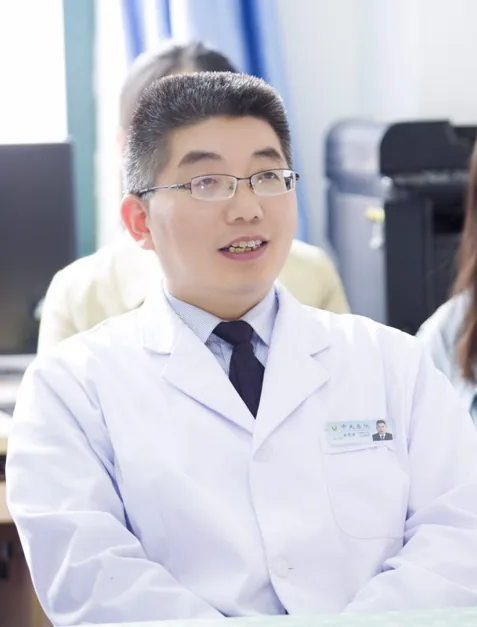
Yuan Yonggui, MD, chief physician, young distinguished professor, doctoral supervisor, outstanding key medical talent in Jiangsu Province, second-level training target of the fifth phase of Jiangsu Province’s “333 Project”, leader of the psychiatry innovation team of Jiangsu Province’s “Strengthening Health through Science and Education”, director of the Department of Psychology and Psychiatry, Zhongda Hospital Affiliated to Southeast University, member of the International Council of Psychosomatic Medicine (ICPM), and visiting scholar at the Department of Psychiatry at the University of Florida. He has been engaged in research on the clinical diagnosis, treatment and pathogenesis of depression, the clinical diagnosis, treatment and pathogenesis of psychosomatic-related disorders, and the mechanisms of psychological assessment and psychotherapy for nearly thirty years.

He is currently the chairman of the Psychosomatic Medicine Branch of the Chinese Medical Association, the elected chairman of the Psychiatry Branch of the Jiangsu Medical Association, the chairman of the Psychosomatic Medicine Professional Committee of the Jiangsu Medical Association, the former chairman of the Psychosomatic and Behavioral Medicine Branch of the Jiangsu Medical Association, and the vice president of the Psychiatry Branch of the Jiangsu Medical Doctor Association. In 2019, he was named the “Expert with Outstanding Contributions to Psychosomatic Medicine” by the Psychosomatic Medicine Branch of the Chinese Medical Association and the title of “Excellent Chairman” by the Jiangsu Medical Association.

Hosted 6 National Natural Science Foundation of China projects (30970814, 81071101, 81371488, 81571330, 81771480 and 81971277). He has won 1 first prize and 1 third prize of the China Medical Science and Technology Award, 2 first prizes and 1 second prize of the Natural Science Award of the Ministry of Education, 1 second prize of the Huaxia Medical Science and Technology Award, 1 first prize and 1 third prize of the Jiangsu Provincial Science and Technology Award, 4 first prizes and 1 second prize of the New Technology Introduction Award of the Provincial Department of Health, and 2 second prizes and 2 third prizes of the Municipal Science and Technology Progress Award. He has edited 25 books and published 415 papers, including 187 SCI papers.


Translated from the original Chinese source.
Share :

Related Posts

Li Ling

Li Ling

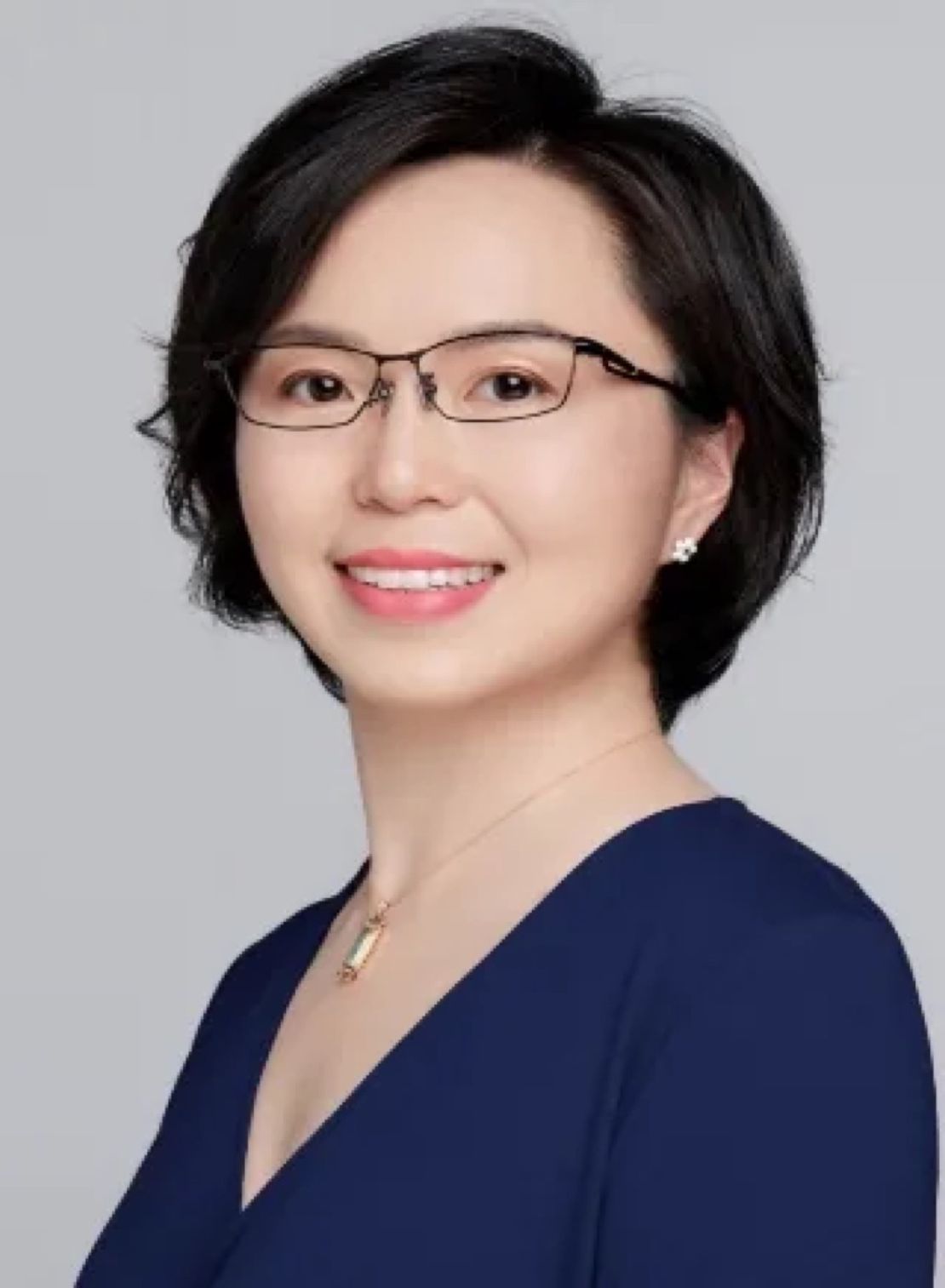
Li Ling, doctor of medicine from Germany, postdoctoral fellow at UCLA in the United States, chief physician, professor, and doctoral supervisor. Director of the Pancreatic Research Institute of Southeast University, Director of the Glucolipid Metabolism Research Center of Southeast University, Assistant to the President and Director of the Endocrinology Department of Zhongda Hospital Affiliated to Southeast University. He has long been committed to research related to pancreatic endocrine and exocrine diseases and islet function damage, actively promotes the integration of medicine and engineering and innovative transformation, and carries out multi-faceted international cooperation. Published more than 50 papers in SCI journals such as Nature Communications, including 5 high-impact papers with scores of 10 or above. He serves as a communication reviewer for the Department of Medical Sciences of the National Natural Science Foundation of China, a doctoral dissertation review expert for the Ministry of Education, and a guest editor of SCI cutting-edge journals; a youth committee member of the Diabetes Branch of the Chinese Medical Association, a deputy chairman of the Diabetes Branch of the Jiangsu Medical Association, and a deputy chairman of the Endocrinology Branch of the Nanjing Medical Association.

Read More
Gu Xiaochun

Gu Xiaochun

Gu Xiaochun, Ph.D., associate professor, researcher at Nanjing Translational Research Institute of Peking University (Jiangbei New District); Ph.D. of Southeast University, 2014 to 2016 He was a visiting scholar and postdoctoral researcher in the Department of Biomedical Engineering at the State University of New York at Stony Brook in the United States. He mainly used advanced imaging technology and new phenotypic technologies to conduct research on neurovascular and neuromodulation. With an interdisciplinary research background, he independently built a multispectral imaging system for synchronized neurovascular imaging and discovered the new role of glial cells in neurovascular coupling, which is important for CR in regulating neurovascular development. He has conducted a series of studies on cell biology, produced a series of relevant genetically modified animal disease animal models, participated in the co-construction of the Nanjing Brain Observatory and co-initiated the “Mesoscopic Brain Functional Connection Atlas” large scientific project.

Read More
Jiao Yiping

Jiao Yiping

Jiao Yiping, Ph.D., is currently a lecturer at the School of Artificial Intelligence at Nanjing University of Information Science & Technology, and a core member of the Jiangsu University Key Laboratory of Intelligent Medical Image Computing and the Smart Medical Research Institute. He graduated with a master’s and doctoral degree from the School of Automation of Southeast University. During his period, he received funding from the China Scholarship Council and went to the Netherlands for a year of joint training with the Computational Pathology Group of Radboud University Medical Center. His main research directions are computational pathology and machine learning. He has rich experience in histopathological full scan slice analysis. He has published six SCI papers as the first author and has authorized one invention patent. Research topics include cancer focus detection and tumor microenvironment analysis in slices of lung cancer, colorectal cancer, breast cancer, and pancreatic cancer, as well as supporting slice quality control, active learning, and staining pattern analysis and other technologies.

Read More