Ming Wenlong
- IMIC Lab
- People , Engineering teacher
- August 11, 2023
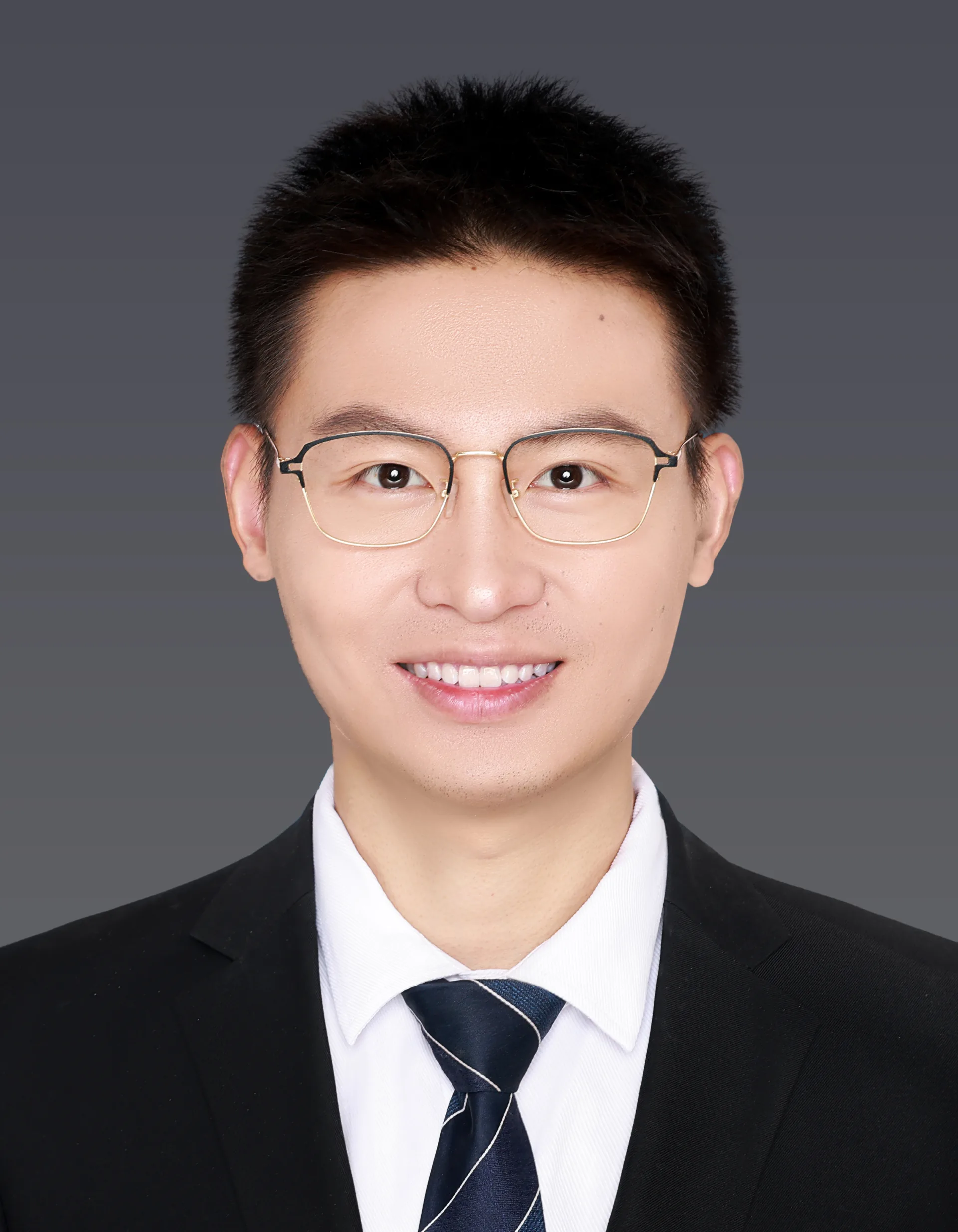
Ming Wenlong, Ph.D., is a lecturer at the School of Artificial Intelligence of Nanjing University of Information Science & Technology, and a core member of the Jiangsu University Key Laboratory of Intelligent Medical Image Computing and the Smart Medical Research Institute. He received his bachelor’s degree from Jilin University in July 2016, and was later recommended to study for a master’s and doctoral degree in biomedical engineering at Southeast University, and received his doctorate in July 2023. During the doctoral period, from April 2022 to April 2023, as a jointly trained doctoral student, I went to the Medical Image Computing Department of the German National Cancer Research Center (DKFZ) for exchange and study. The supervisor is Professor Dr. Klaus H. Maier-Hein.
His main research directions and interests are: bioinformatics and multi-omics data analysis, radiomics and imaging genomics, and application research of artificial intelligence in the biomedical field. He has rich experience in biomedical multi-omics data processing and analysis, especially focusing on research related to malignant tumors such as breast cancer. During his PhD, he published six SCI papers as the first/co-first author, including one Chinese core article, including Investigative Radiology, Computers in biology and medicine and other academic journals. Dr. Ming Wenlong is a member of the Bioinformatics Professional Committee of the Jiangsu Society of Biomedical Engineering, and has participated in scientific research projects such as the National Natural Science Foundation of China, the Jiangsu Provincial Key R&D Plan, and the Bethune Foundation.
For more information, please visit my personal homepage: https://faculty.nuist.edu.cn/mingwenlong/zh_CN/index.htm
Representative papers:
[1] Wennmann M # , Ming W # , Bauer F, et al. Prediction of Bone Marrow Biopsy Results From MRI in Multiple Myeloma Patients Using Deep Learning and Radiomics [published online ahead of print, 2023 May 16]. Invest Radiol. 2023;10.1097/RLI.0000000000000986. doi:10.1097/RLI.000000000000986. (IF: 6.7, Chinese Academy of Sciences District 1 Top)
[2] Ming W , Li F, Zhu Y, et al. Predicting hormone receptors and PAM50 subtypes of breast cancer from multi-scale lesion images of DCE-MRI with transfer learning technique. Comput Biol Med. 2022; 150:106147. (IF: 7.7, District 1, Chinese Academy of Sciences)
[3] Ming W, Li F, Zhu Y, et al. Unsupervised Analysis Based on DCE-MRI Radiomics Features Revealed Three Novel Breast Cancer Subtypes with Distinct Clinical Outcomes and Biological Characteristics. Cancers. 2022; 14(22):5507. (IF: 5.2, Top of the Second District of the Chinese Academy of Sciences)
[4] Li F # , Ming W # , Lu W, et al. Detecting Full-Length EccDNA with FLED and long-reads sequencing. bioRxiv 2023.06.21.545840; doi: https://doi.org/10.1101/2023.06.21.545840. ( Under review )
Translated from the original Chinese source.